
Wow! I’ve watched and reviewed 60 Hallmark movies in a row. I then watched two more and started another one when I cracked. I’ll remember those two movies, but I need a break. So of course I watched Nukie! You know when you watch The Cinema Snob or AVGN, then you watch the movie or play the game and find out it’s not quite as bad as they made it seem. No, not here. Brad Jones wasn’t exaggerating about Nukie. Not at all.
So what is Nukie? It’s a message film chastising America while simultaneously begging for it’s help, but just being a total and complete mess of filmmaking instead. I really hope IMDb isn’t correct because it says that Nelson Mandela said this was one of his favorite films of 1988. I’m going to assume that must be wrong cause IMDb also says it premiered in South Africa in 1987, but based on the content, I think it’s probably true. Really really sad, but true.
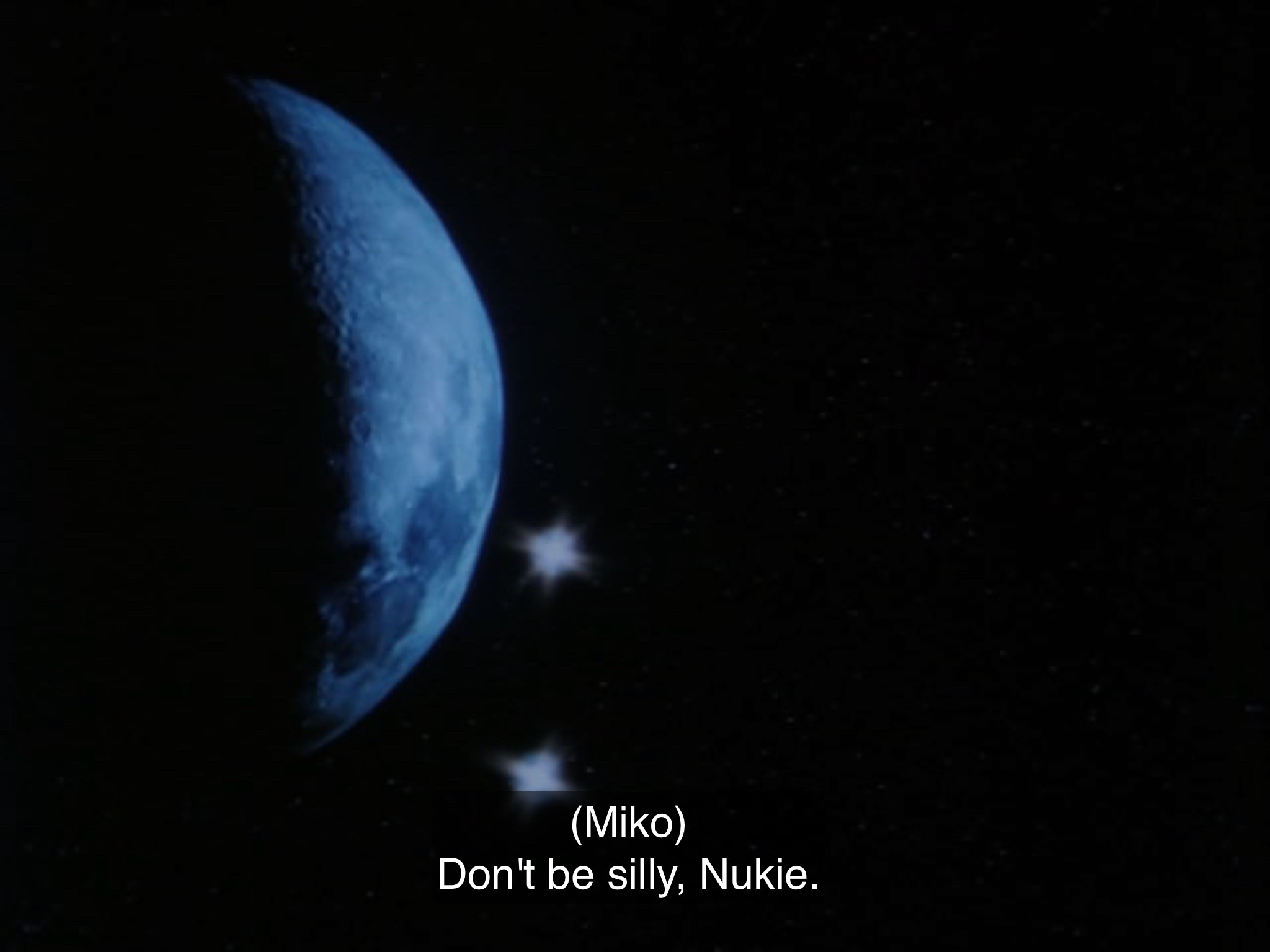
The movie begins with two flying lights in space. They are talking about what they call “the blue planet” as they fly over it. They are two aliens called Miko and Nukie. Miko is like a two year old who spotted something shiny because he gets too close and goes careening downwards. His brother Nukie chases after him. Nukie crashes in the middle of Africa and I kid you not, Miko appears to land at the front door of the “Space Foundation” that has things that say NASA inside it. I say this because Miko is instantly captured. By that I mean he is just wheeled in like he literally landed at their front door.
This film gets stupid really quick. First, Steve Railsback’s character is introduced with this shot.
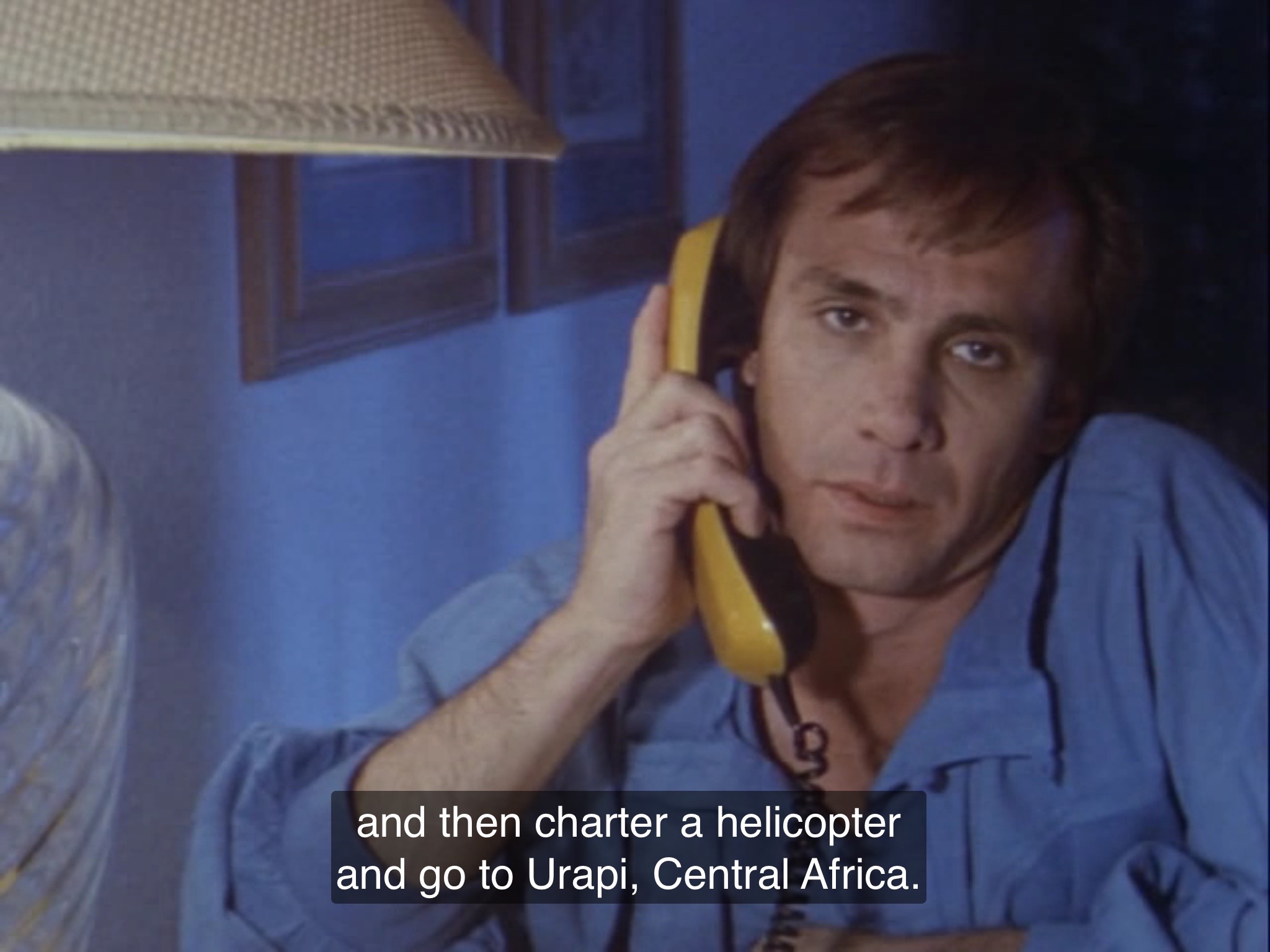
He looks happy to be there doesn’t he? Did he even know they were filming him? The funniest thing is that they use that exact same shot later in the movie when they call him at home again. Well anyways, take a look at this.
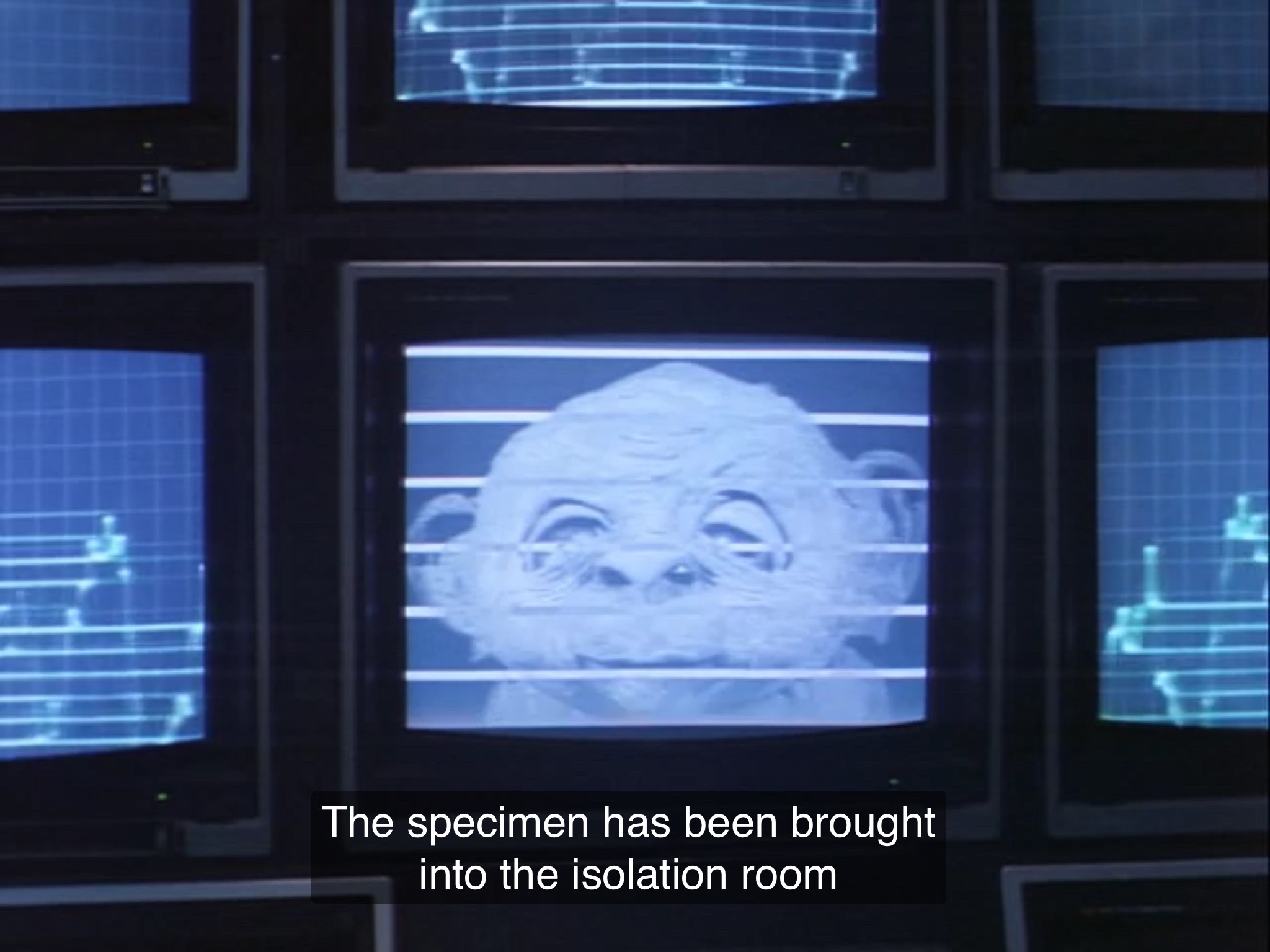
If you are going to watch Nukie, then you better get used to that shot because they will cut to it over and over again. Each time a voice that doesn’t match anyone in the lab will either tell you what is going on or that nothing is going on. Let’s get this over with.
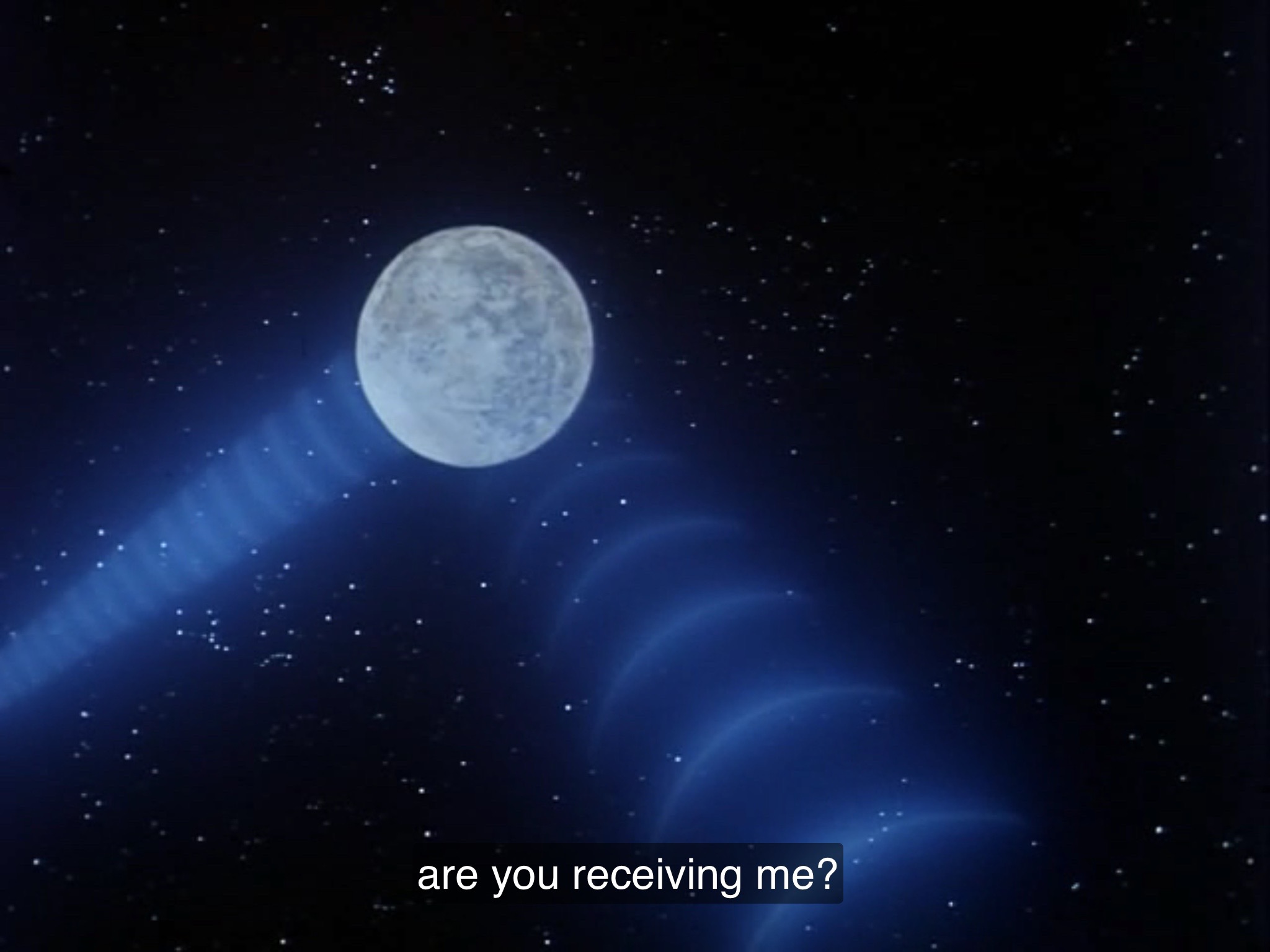
You see that shot there? That’s Nukie using the moon as some sort of satellite to communicate with Miko in the science lab. It’s the last time you will see him do that. No, I don’t mean the last time he talks to his brother, but the last time he will use the moon. After that, they just seem to be able to hear each other. The magic of inconsistent powers that plagues this film. Wonder if anyone involved in the production of Nukie worked on Heroes.
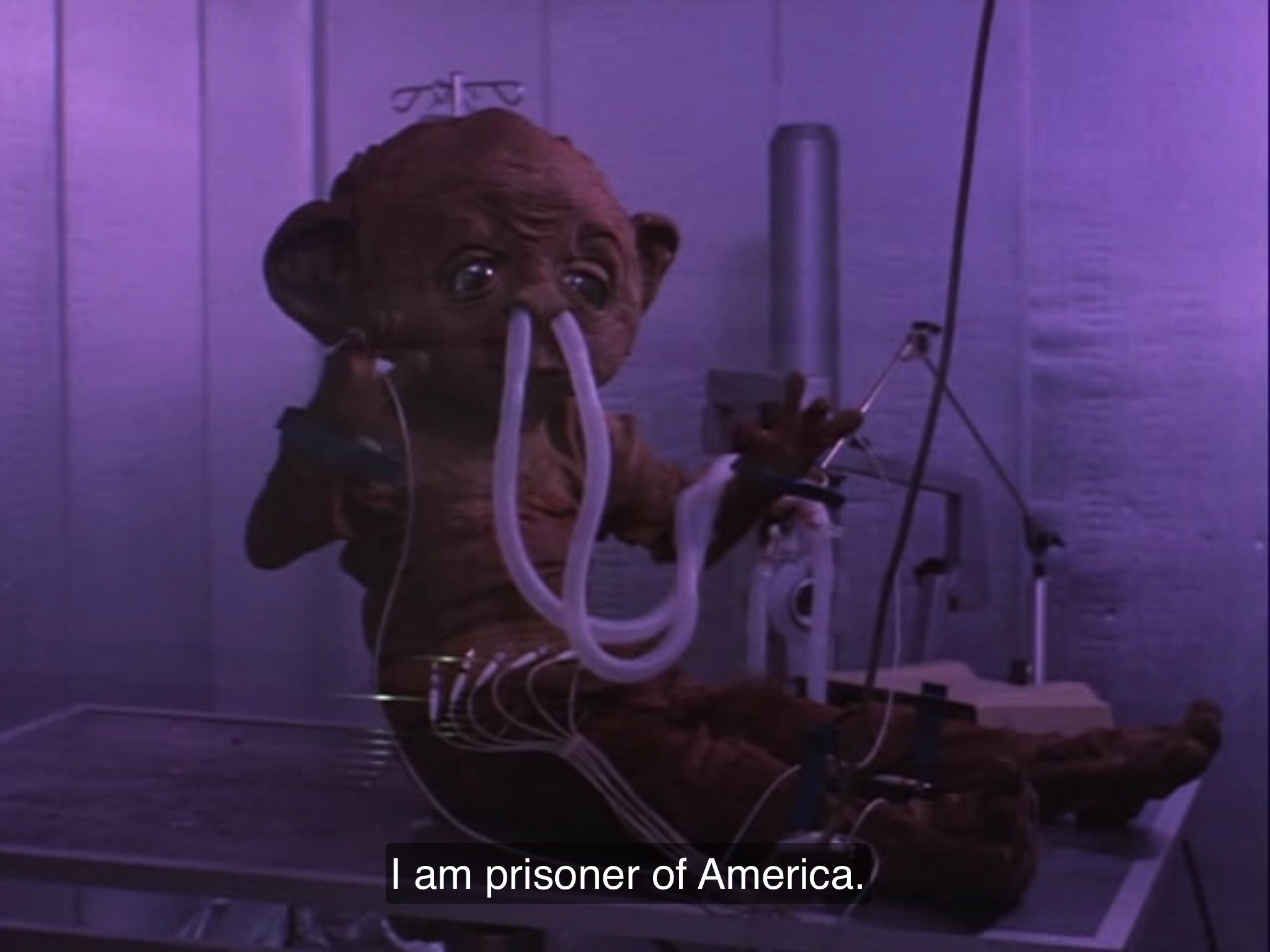
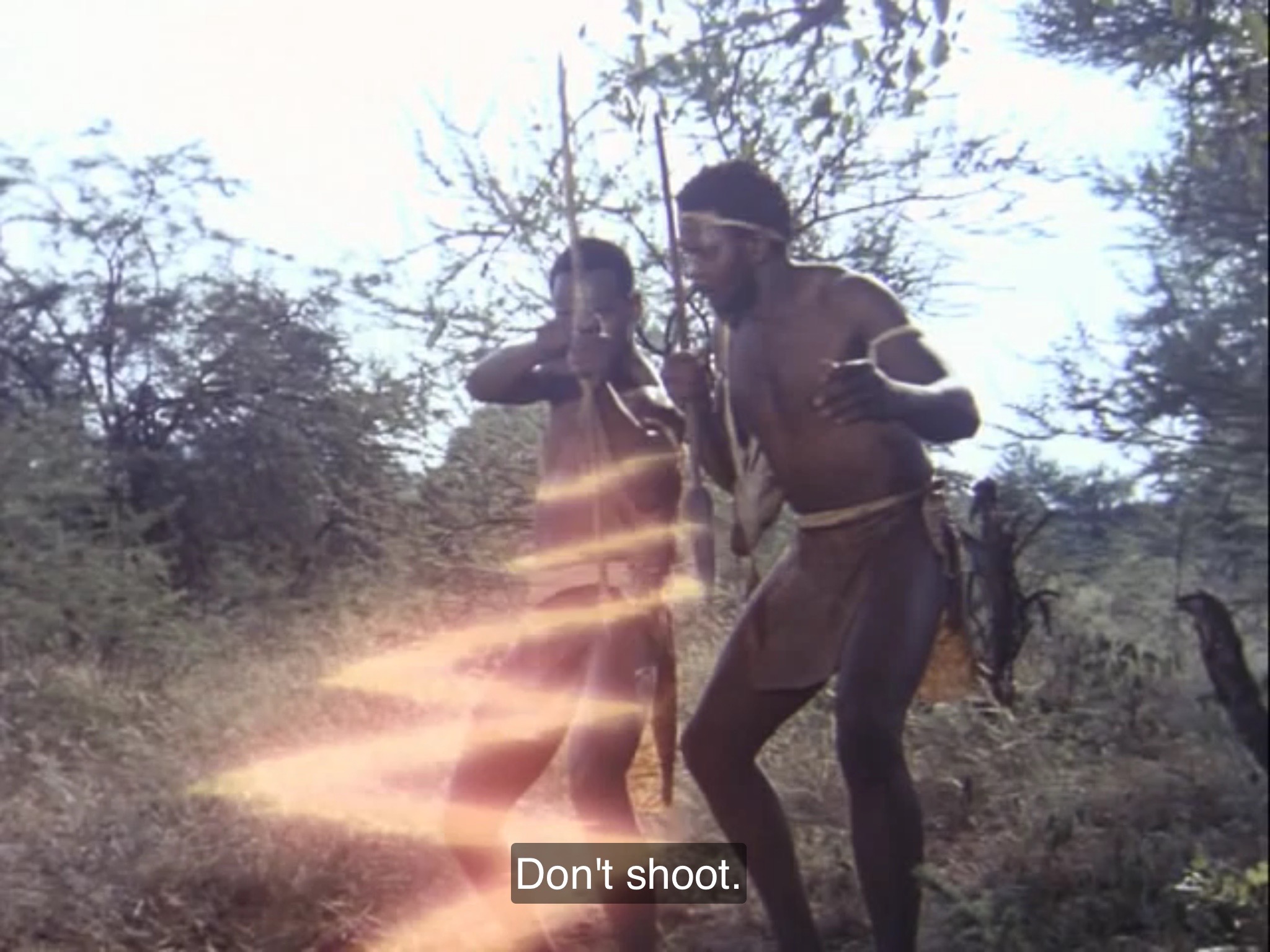
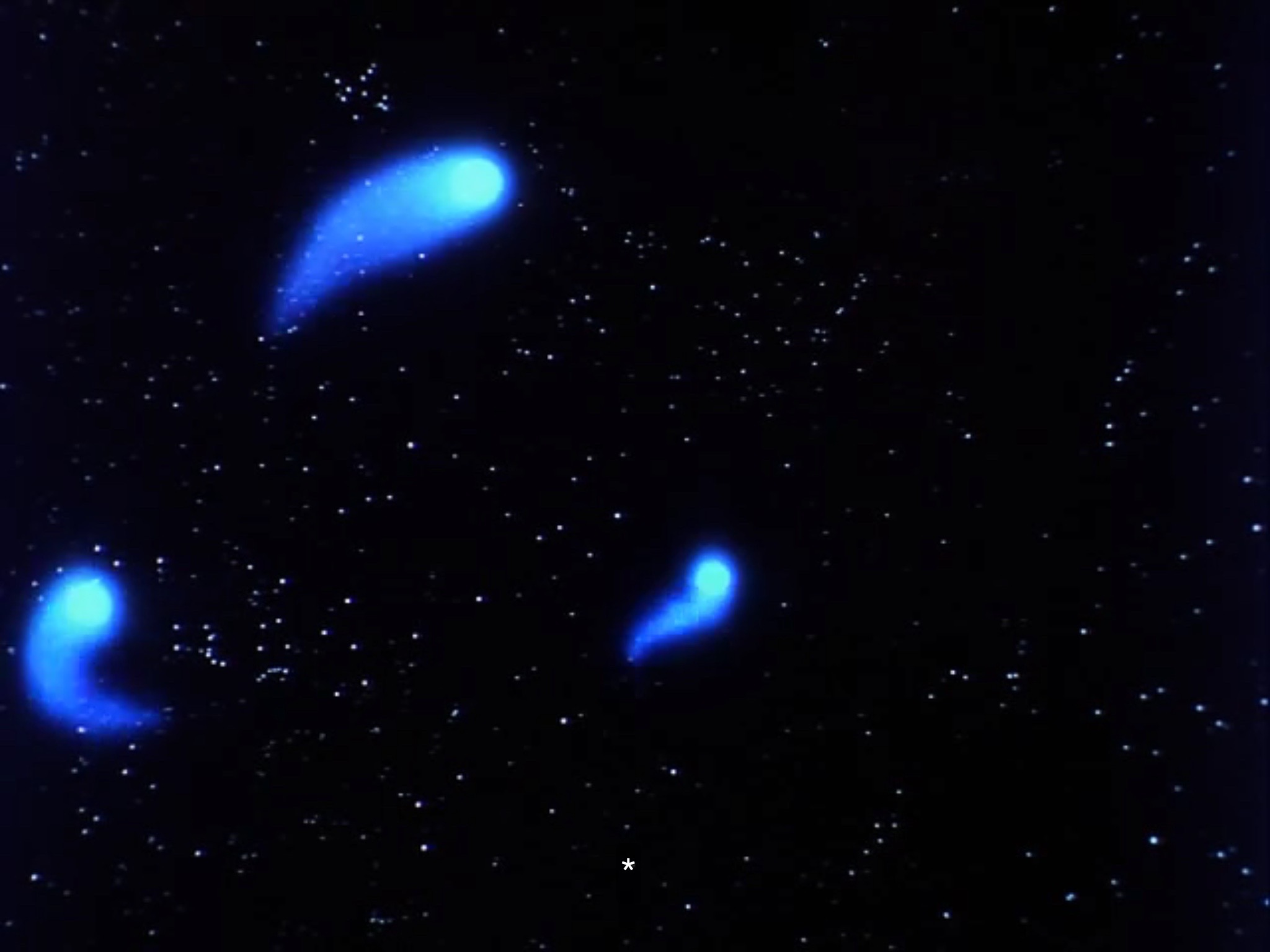
Now Nukie knows that his brother is a prisoner of America, but he doesn’t know what that is. He asks a giraffe if it’s America. That’s the screenshot at the start of this review. In short order, Nukie runs into two little kids that are twins. This is the first time Nukie displays powers that apparently he can’t use to get to America. This time it’s to teleport. One moment he’s one place, and then suddenly next to the kids surprising them. Yet, you’ll see him walk throughout most of the movie. Considering this is a message movie, I’m sure it’s meant to match the many refugee marches that we have seen on the news. Hopefully, you haven’t actually been part of one. But I’m sure if you were and could teleport, then you would have used that handy ability instead of just walking. Not Nukie though. And this is just one of many powers Nukie will display.
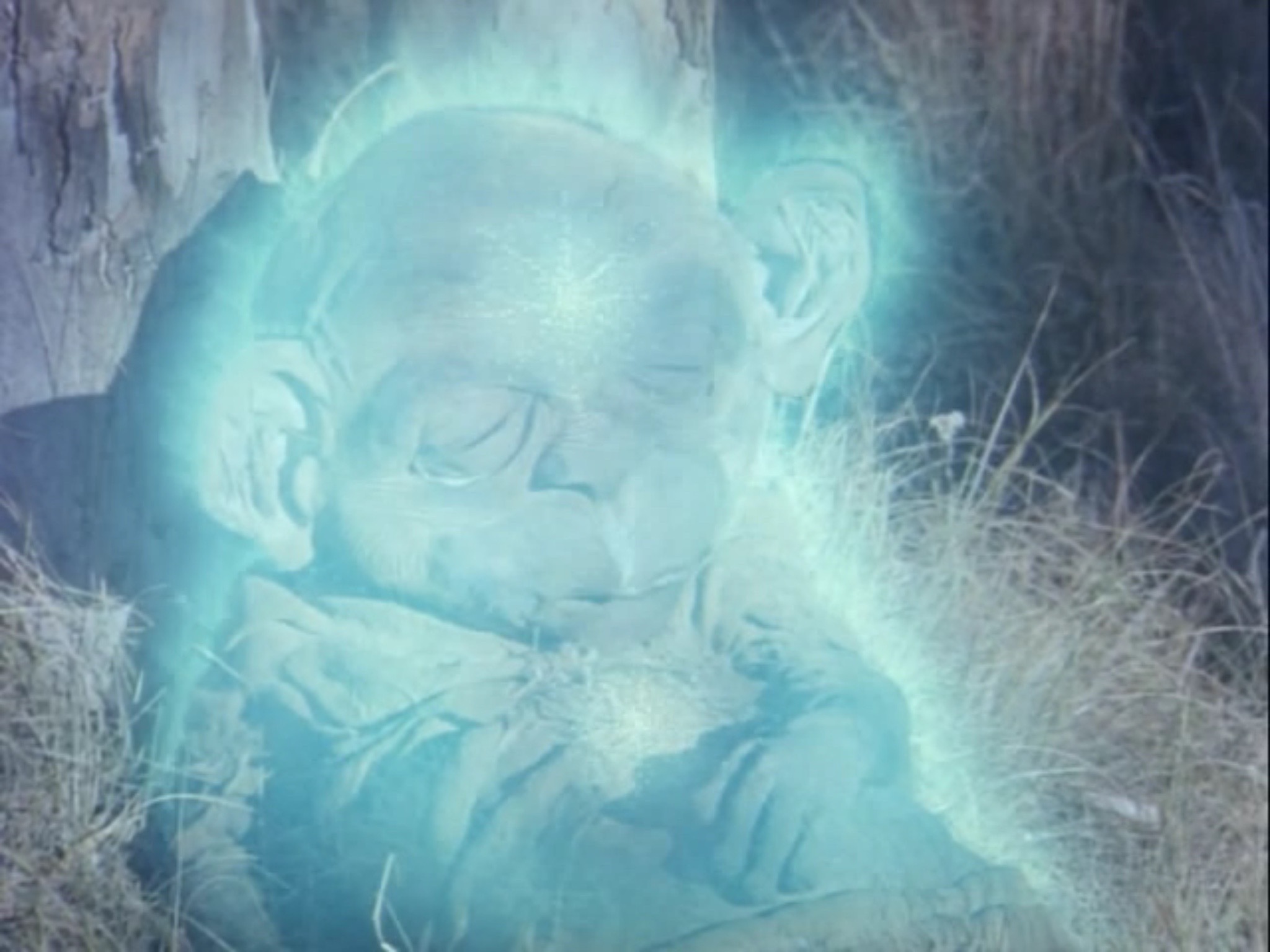
Yep, when Nukie sleeps, he becomes invisible. So we’ve seen teleportation and that he can become invisible. Yet, Miko isn’t teleporting and is completely visible while we are told he is in a deep sleep. While we are frustrated that Nukie isn’t using his powers to get to America, we are also left wondering why Miko isn’t escaping.

Also, keep that shot in mind. Nukie says the “light beam transformer” is working again. Then he turns into the light he was at the beginning and flies around. Not to America mind you, but instead he lands somewhere near water.

Nukie looks into the water and sees he looks like a pregnant bag of trash. Apparently, that’s news to him. So, in the horrible Highlander sequel, they become immortal when they come to Earth. In Nukie, they look like that. Bummer for them. Then this happens.
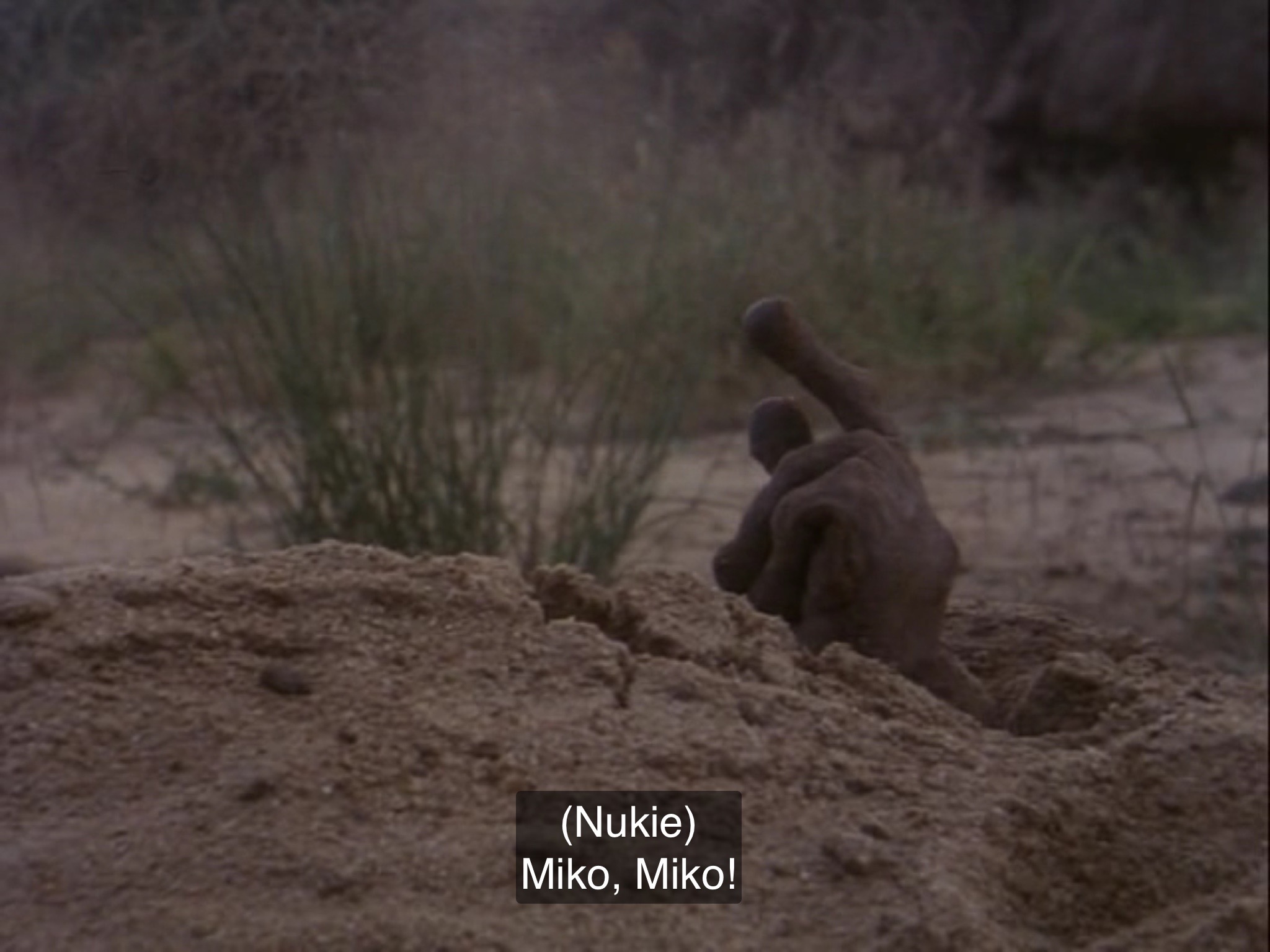
Yep, no explanation how he got down there or how he is instantly on his feet again in a few seconds. However, we actually do get an explanation of what he was doing down there. Despite the fact that what we see happen is a storm in the nearby village, Nukie was down there causing earthquakes. Why? Who knows, but it gets him a reputation as a “bad god” by the villagers nearby. Not dumb enough for you yet? Don’t worry, there’s more. We now meet a talking monkey.

The other monkeys/apes/whatever also talk. Of course Nukie asks them about America. They point him to the monkey above who lives with the humans. Oh, then Nukie freezes someone.
I really wish a plane would fly over and dump massive numbers of Coke bottles on Nukie. No such luck, but there is plenty of product placement in this. Clearly we are meant to see these things in the science lab, then in Africa to see how the worst things about America are being brought to Africa. That, and there’s an ad for South African tomato sauce. Back in the science lab, Miko comes out to quote Scotty from Star Trek IV.


This is when we really get introduced to EDDI. That’s the computer at the Space Foundation. It’s a weird weird computer. It can put Miko to sleep, it can make one of the scientists dance, it tries to hit on a lady named Pam, and at one point I swear Miko was giving it a hand job via the keyboard, but actually he was just giving it a heart. Of course, right after getting the heart, he hits on Pam. Meanwhile, back in Africa.

Yep, don’t use that light transformation thing to save your brother, but go ahead and nearly kill people by trying to fly a chopper. That will certainly convince them you’re not a bad god. Especially after you used telekinesis to push over and explode pots. Oh, and at this point Railsback is in Africa to investigate Nukie and Glynis Johns is there as a missionary of sorts named Sister Anne. She was there at the beginning of the film. Honestly, they’re not important.
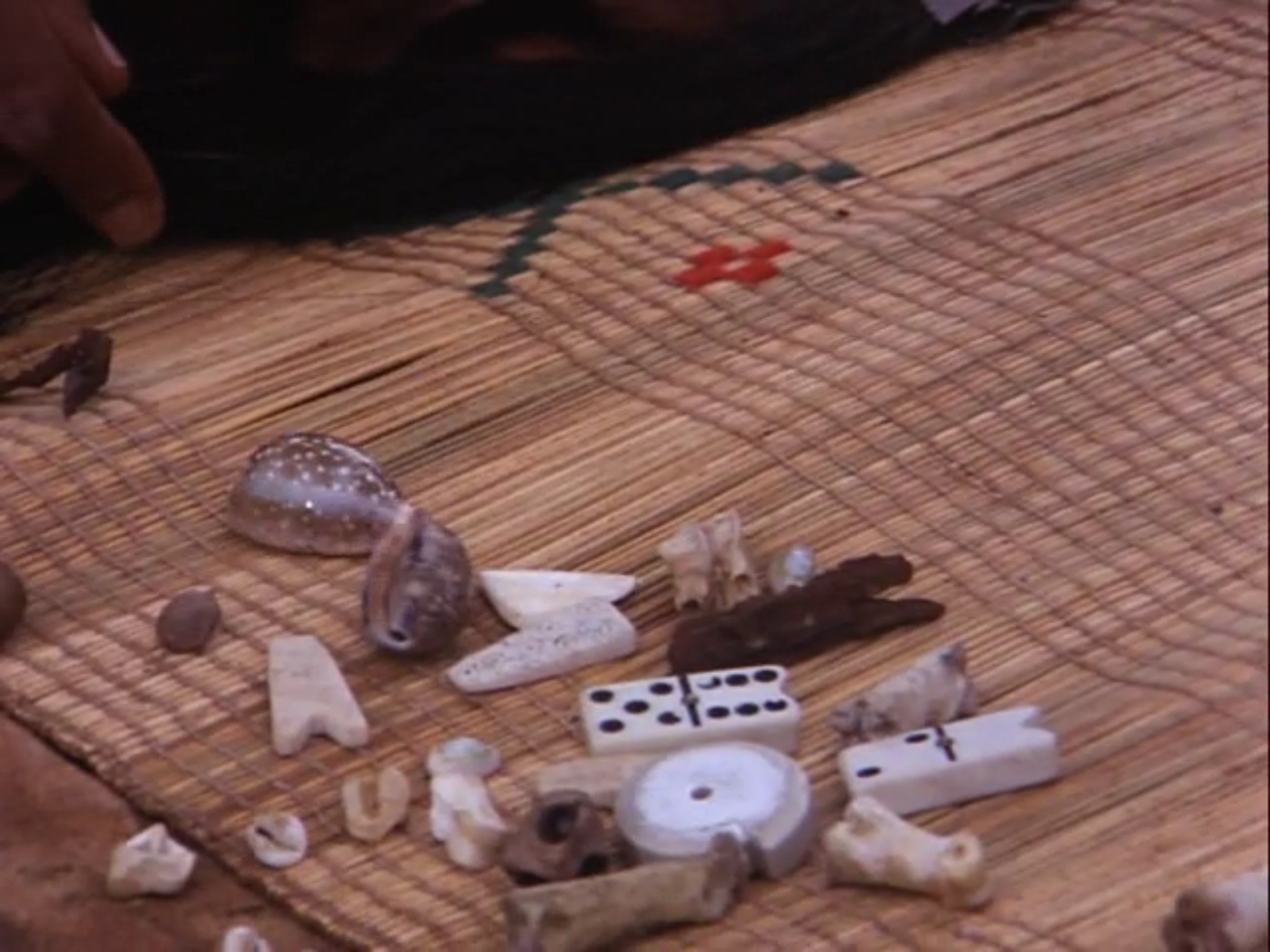
Because that crap landed on there the way it did, and because Nukie has been acting like a jackass, the twins from earlier are banished into the wilderness. Something to do with an old legend about twins and bad gods. Who cares? We need Nukie to show more powers.
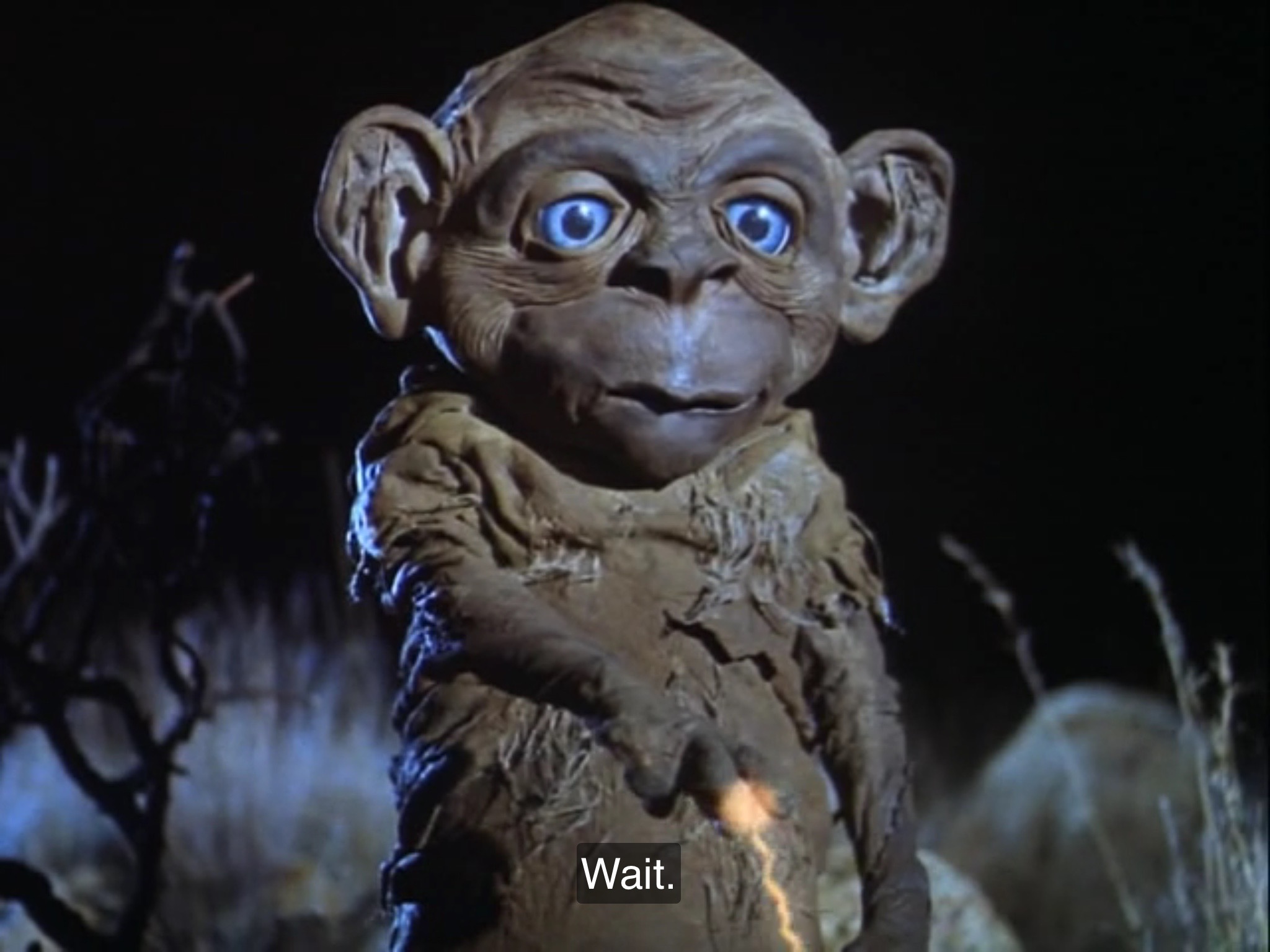
After flying around for no good reason, and certainly not to reach America, Nukie lands and shoots a lightning bolt from his hand to start a fire for the kids. Then this happens.
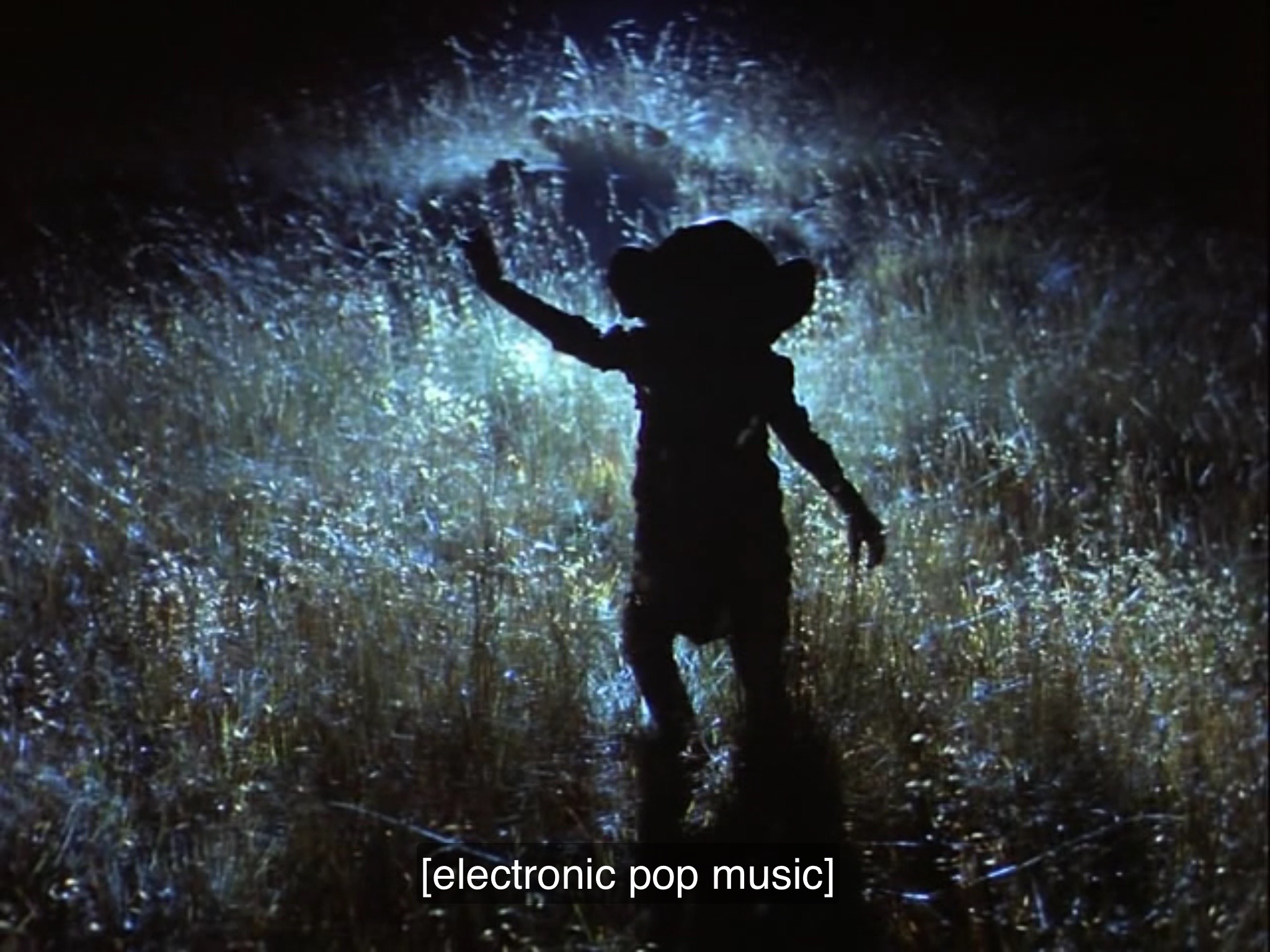
To help the kids sleep, Nukie goes into a dance number. He also does a fireworks display. But that’s not the dumbest part. No, no, no. This is where Nukie, who can’t fly to America, flies into space, around the moon, and back to to the kids.
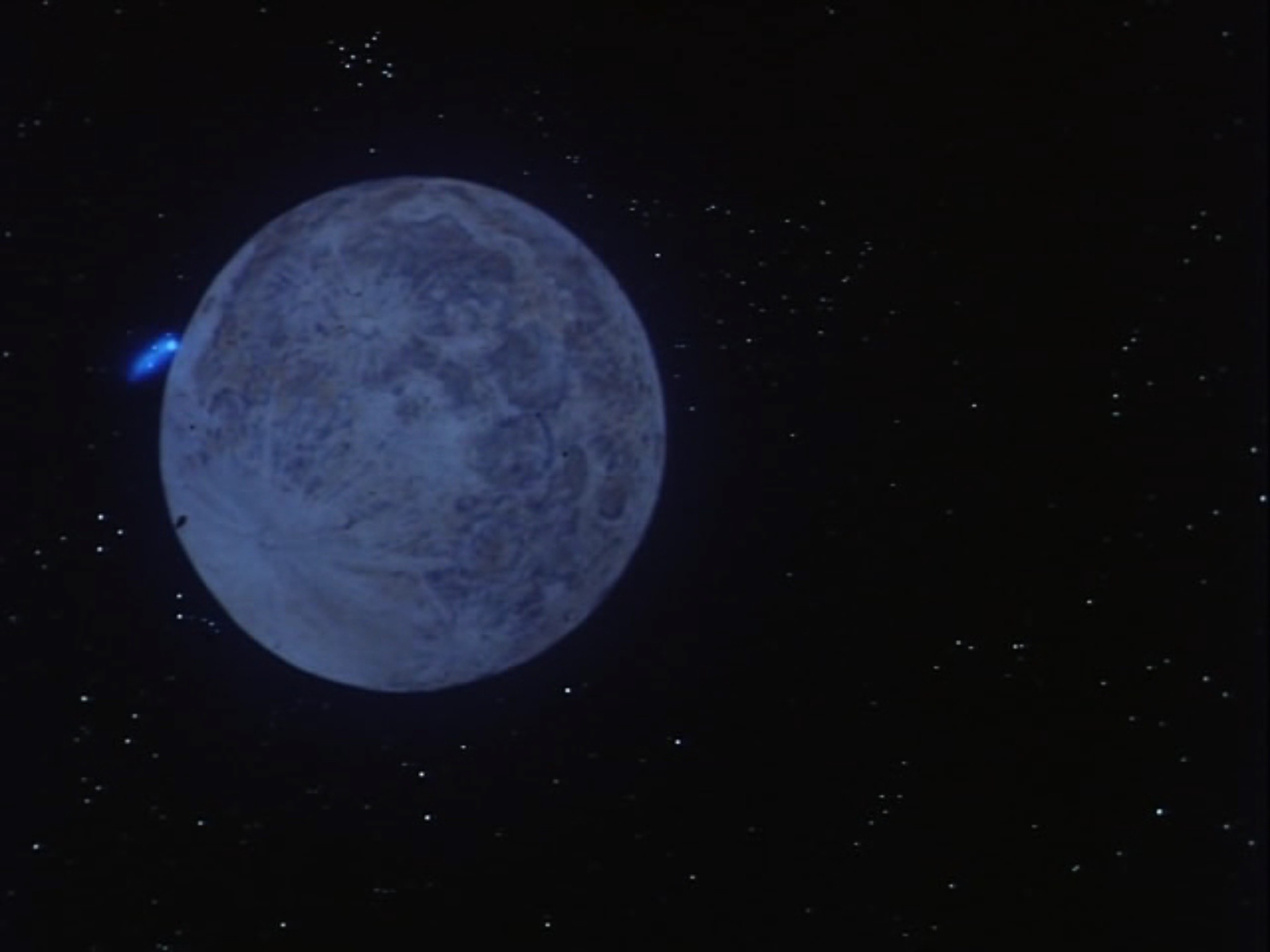
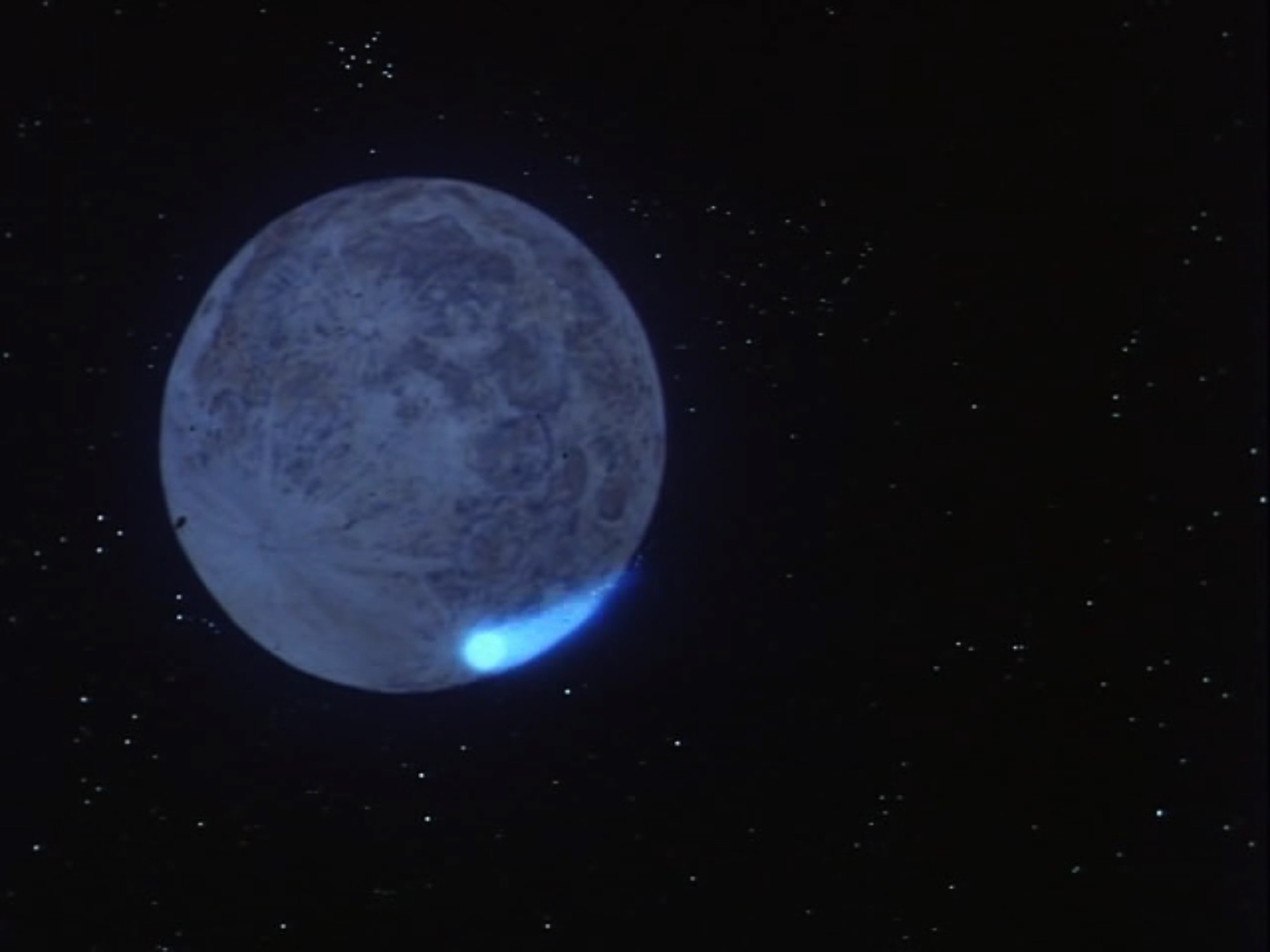
Meanwhile, back in the science lab.
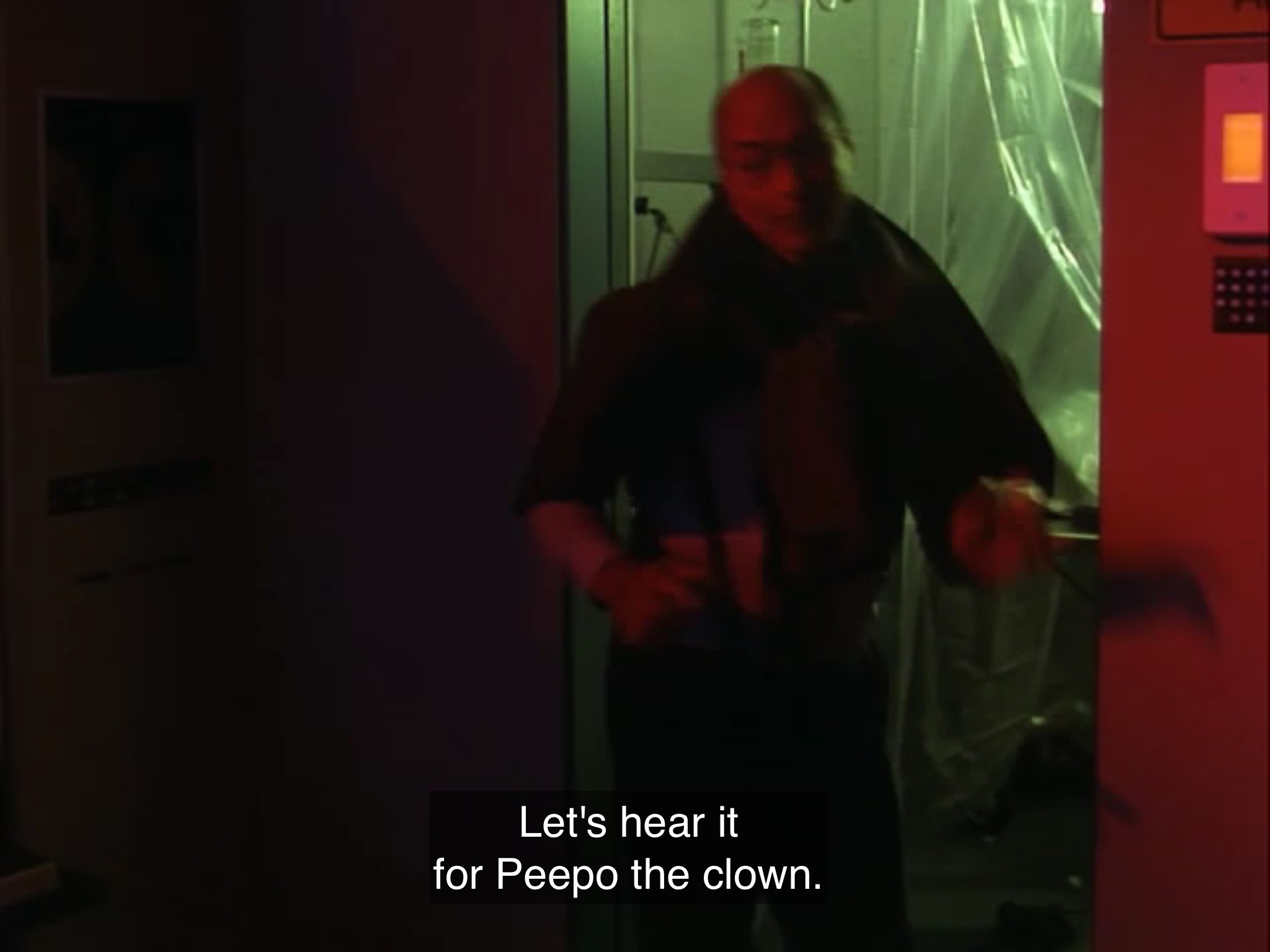
Really, once you see Nukie fly around the moon and that guy regress to childhood, you’re numb to the rest of the movie. After Sister Anne gives us a speech about the evils of Americanization, one of the kids is bit by a cobra. Unfortunately, his brother sucks out the poison. But fortunately, this happens.


I love when the kid cries out “Nukie! Nukie! You killed my friend!” At this point you are crossing your fingers, but of course you don’t get your wish. This is when the film finally decides to wind things down, and it does it pretty fast. I will do the same.
Nukie is captured and nearly killed, but gets away. The twins are separated. One is in a hospital and the other is out and about. Nukie briefly stops at the hospital to heal the kid with his magic hand. Miko finally decides to do more than just talk to the computer and hides in a trashcan. Pam finds it and that stupid voice tells us the program was shut down and classified. Railsback goes back to Africa. At this point the one kid joins Nukie and they go on a final march to reach America. Nukie gets really tired and then Nukie finally does what we have been begging him to do all along. He tells the kid that the two of them can fly to America. Seriously, after almost 100 minutes, they finally use this power that has been paraded in front of our face the whole movie.
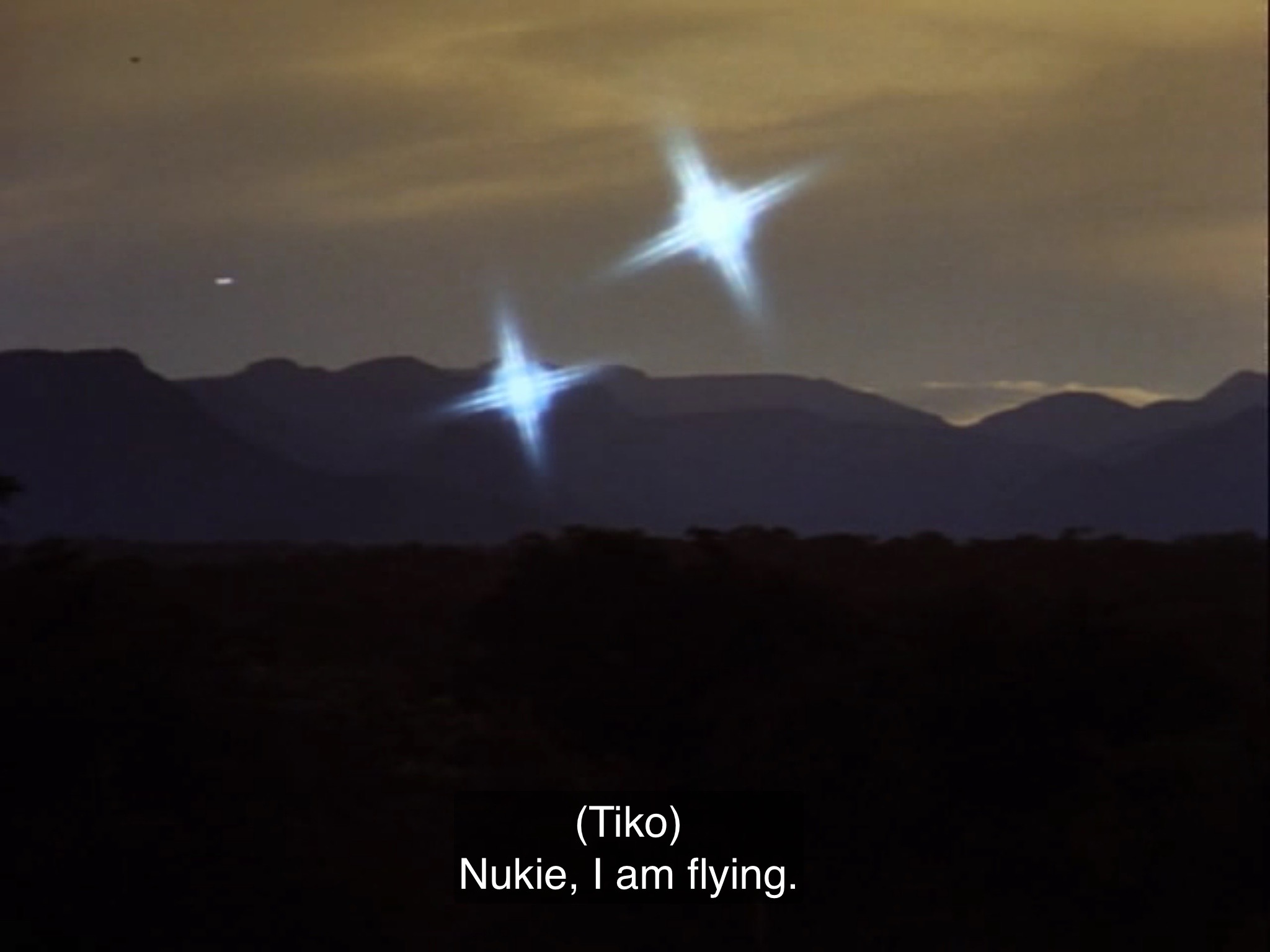
They don’t reach America, but land on some beach, then Nukie seems to die. The boy makes a wish that everything will just magically resolve and it does. His mom, Sister Anne, Railsback, and Miko just show up on this random beach. With Nukie and Miko reunited it’s time for them to leave, right? Well, almost. I forgot to mention that the talking monkey also shows up on the beach. They take the talking monkey with them. THE END.
If there is a worse E.T. ripoff film out there, then I’m really scared. I can’t even imagine that the E.T. porn films are more annoying than Nukie. Just a little gross.

 Through the Shattered Lens