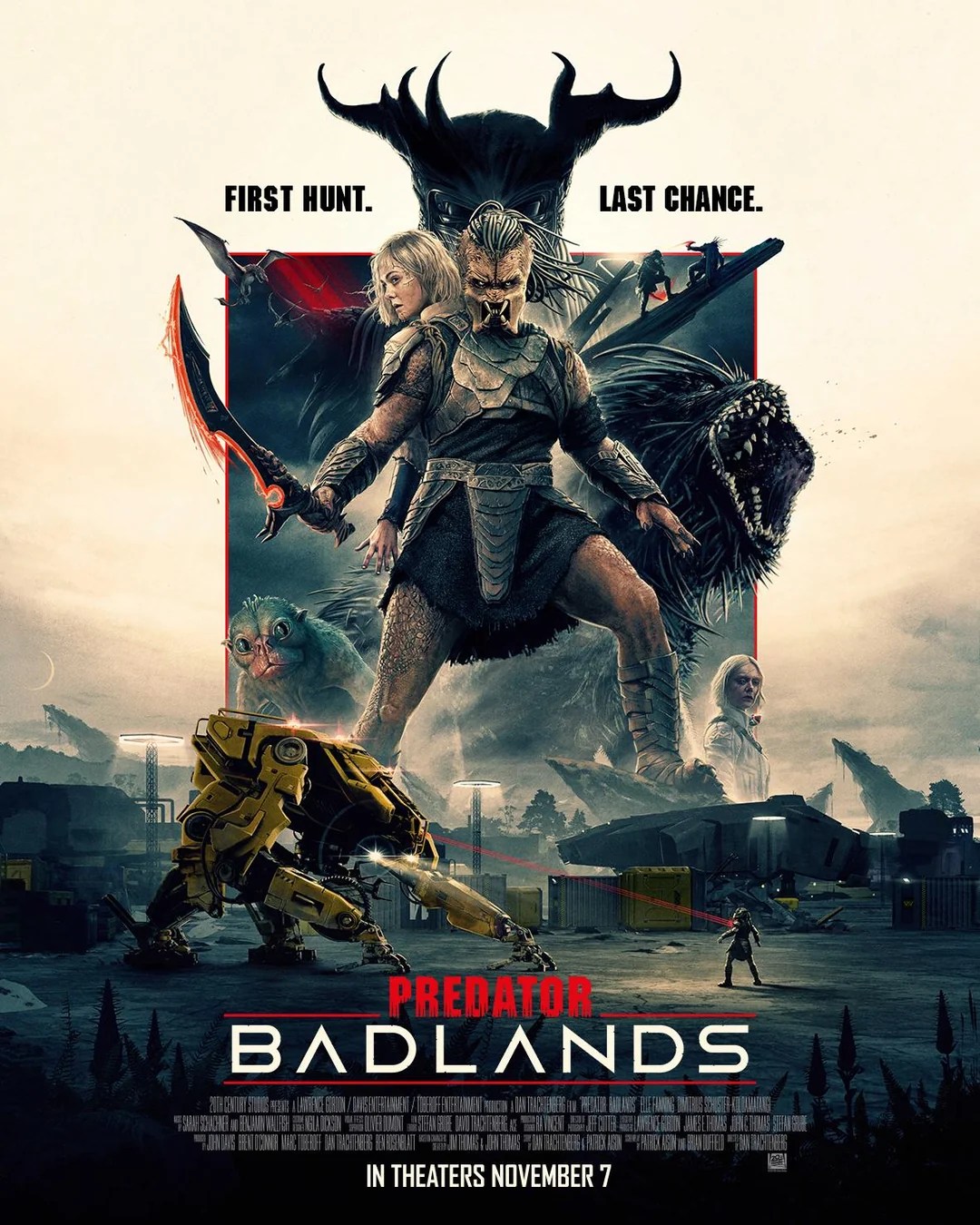
“Here, you’re not the predator. You’re the prey.” — Thia
Predator: Badlands, directed by Dan Trachtenberg, marks a significant evolution within a franchise that has captivated audiences for nearly four decades. Known for its intense action and the enigmatic extraterrestrial hunters called the Yautja, the Predator series has continuously explored themes of survival, honor, and primal combat. Trachtenberg’s vision shifts the focus toward a more intimate and nuanced perspective by centering the narrative on Dek, the youngest and smallest member of the Predator clan. Through Dek’s journey, the film delves deep into Predator culture, ritual, and the personal struggles of one cast out from his tribe.
Dek, the youngest and smallest member of his Predator clan, finds himself exiled and cast out due to perceptions of weakness. Determined to prove himself worthy, he crash-lands on the hostile planet Genna—infamously named “The Death Planet”—where he must navigate a dangerous ecosystem full of lethal creatures and unpredictable hazards. Struggling to survive alone, Dek forms an uneasy alliance with Thia, a damaged synthetic android with knowledge of the planet. Together, they embark on a perilous journey that will test their strengths, challenge their beliefs, and redefine what it means to be predator and prey.
The chemistry between Dimitrius Schuster-Koloamatangi and Elle Fanning as Dek and Thia is notably believable and compelling. Their performances breathe life into this unconventional duo—Dimitrius conveys Dek’s internal struggle and fierce determination almost entirely through physicality and subtle expression, while Fanning’s portrayal of Thia is richly layered with intelligence, resilience, and warmth despite her synthetic nature. Their interactions—marked by moments of tension, wit, and genuine connection—ground the narrative emotionally, making their partnership feel authentic even amid the film’s relentless action and alien setting.
At the emotional core of the film lies this evolving relationship, where Thia’s intelligence, wit, and empathy contrast Dek’s warrior stoicism. Physically bound to Dek early on, their partnership forged from necessity deepens into a profound bond that challenges traditional Predator stereotypes of ruthless isolation, opening space for exploration of trust, companionship, and mutual reliance in an unforgiving universe.
Adding to this complexity, Fanning also portrays Thia’s sister Tessa, embodying a dogmatic loyalty to the Weyland-Yutani corporation’s ruthless agenda. This dual role enriches the film’s meditation on identity, autonomy, and control, as the opposing android personas reflect divergent paths of resistance and compliance. The tension between Thia’s compassion and Tessa’s dogmatic obedience mirrors Dek’s own conflict between inherited tribal honor and his emerging personal values shaped by empathy and survival.
The narrative intensifies in the second act as the story shifts from Dek and Thia navigating Genna’s rough terrain to confronting the formidable forces of Weyland-Yutani and their synthetic android enforcers. This escalation brings broader stakes and a shift from survival to active resistance, with Dek’s combat style evolving into inventive use of the alien ecosystem’s deadly plants and creatures. His resourcefulness and adaptability are tested as much as his physical prowess.
Thia’s role grows beyond mere survival partner, serving as a moral compass guiding Dek through escalating challenges. Their deepening bond underscores themes of loyalty and defiance against overwhelming power. The rivalry between Thia and Tessa encapsulates both personal and systemic struggles, enriching the narrative’s emotional and thematic layers.
Action scenes in this act blend visceral intensity with strategic ingenuity, highlighting the evolving dynamic between Dek’s warrior instincts and Thia’s empathetic intelligence. This partnership provides an emotional anchor amid rising external threats.
Visually, while some of the VFX may not reach the technical heights of blockbuster films like Avatar, Predator: Badlands excels in blending digital effects with practical makeup and effects work. This approach makes the portrayal of Dek and the other Yautja—particularly when not helmeted—convincing and tangible. The hybrid effects allow Dek’s Yautja character to emote convincingly, adding crucial depth and relatability to a typically masked and silent character. This tactile realism enhances the immersive quality of the film and brings the Predator characters to life in a way that CGI alone might not achieve.
A distinct departure for the franchise, the film carries a PG-13 rating—a strategic decision enabled by the filmmakers’ exclusive use of non-human characters—synthetic androids and other alien beings—in violent scenes. This choice eliminates the display of red human blood, substituting blue synthetic fluids, thereby maintaining intensity while broadening audience accessibility. Although this approach softens the visceral brutality traditionally associated with the franchise, it allows for sustained creative violence and suspense without an R-rating’s restrictions. Some fans may find the absence of traditional gore reduces the raw impact and immediacy familiar to previous entries.
Throughout, the violence is intentional and purpose-driven, enriching the narrative rather than serving gratuitous spectacle. The film’s conclusion thoughtfully underscores themes of self-determination, as Dek eschews rigid tribal expectations in favor of personal autonomy, while Thia embraces an evolving identity beyond her synthetic origins.
One of the film’s most impressive achievements—and a testament to its commitment to authenticity—is the introduction of a fully constructed Yautja language. Developed by linguist Britton Watkins, who was recommended by Paul Frommer (the creator of the Na’vi language for James Cameron’s Avatar), this language was crafted with respect for the anatomical and cultural traits of the Predator species. Lead actor Dimitrius Schuster-Koloamatangi and his fellow Yautja cast members learned to perform fluently in this language. This effort adds remarkable depth and realism to the Predator characters, creating a linguistic culture that supports the film’s immersive world-building. Scenes featuring Yautja dialogue are carefully subtitled, offering fans a fascinating and detailed glimpse into Predator communication and ritual.
Predator: Badlands is a layered, compelling addition to the saga. It pairs exhilarating action with thoughtful meditations on identity, survival, and connection. The evolving relationship between Dek and Thia, amplified by Elle Fanning’s complex dual roles, grounds the film emotionally and thematically, broadening the Predator mythos in significant ways.
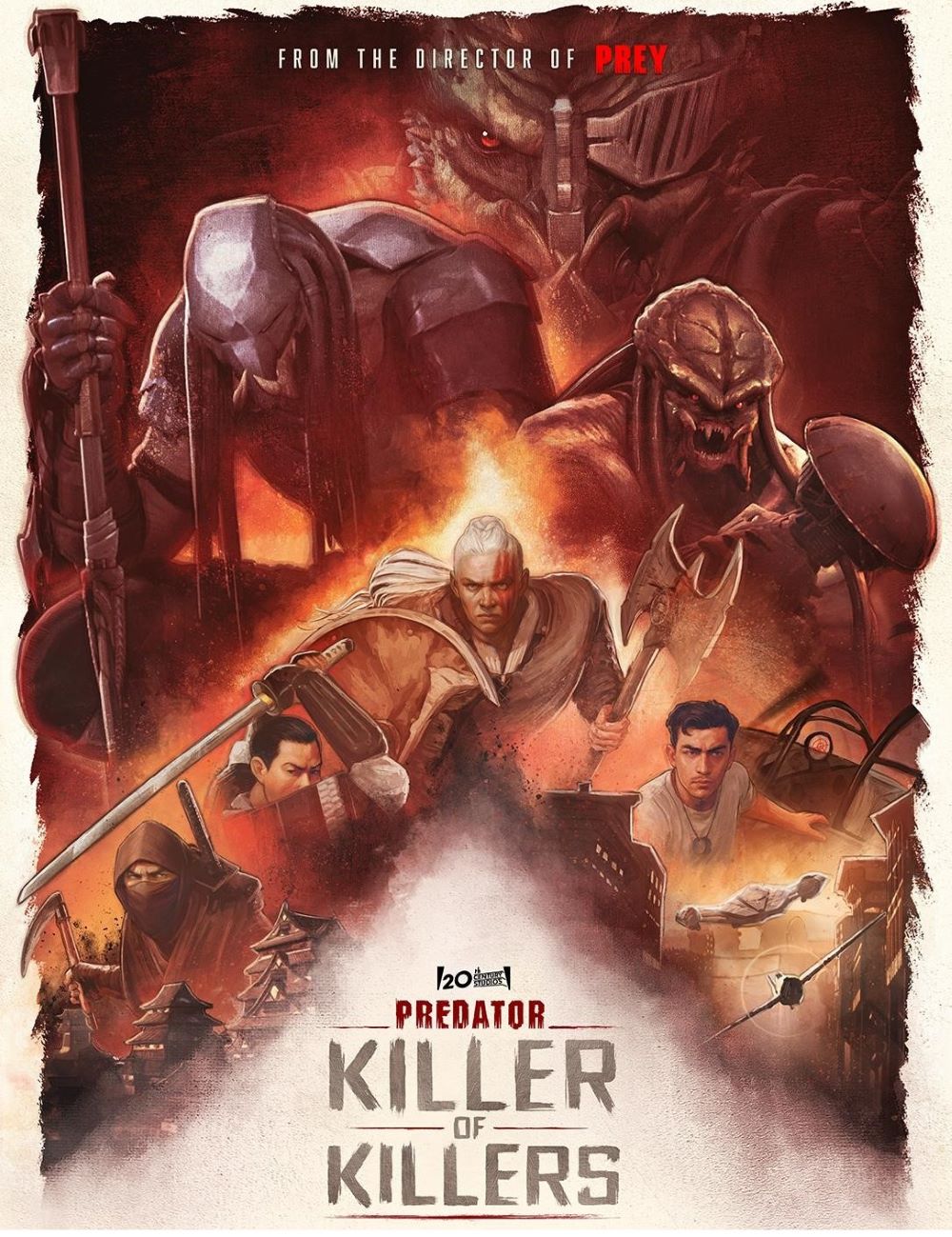
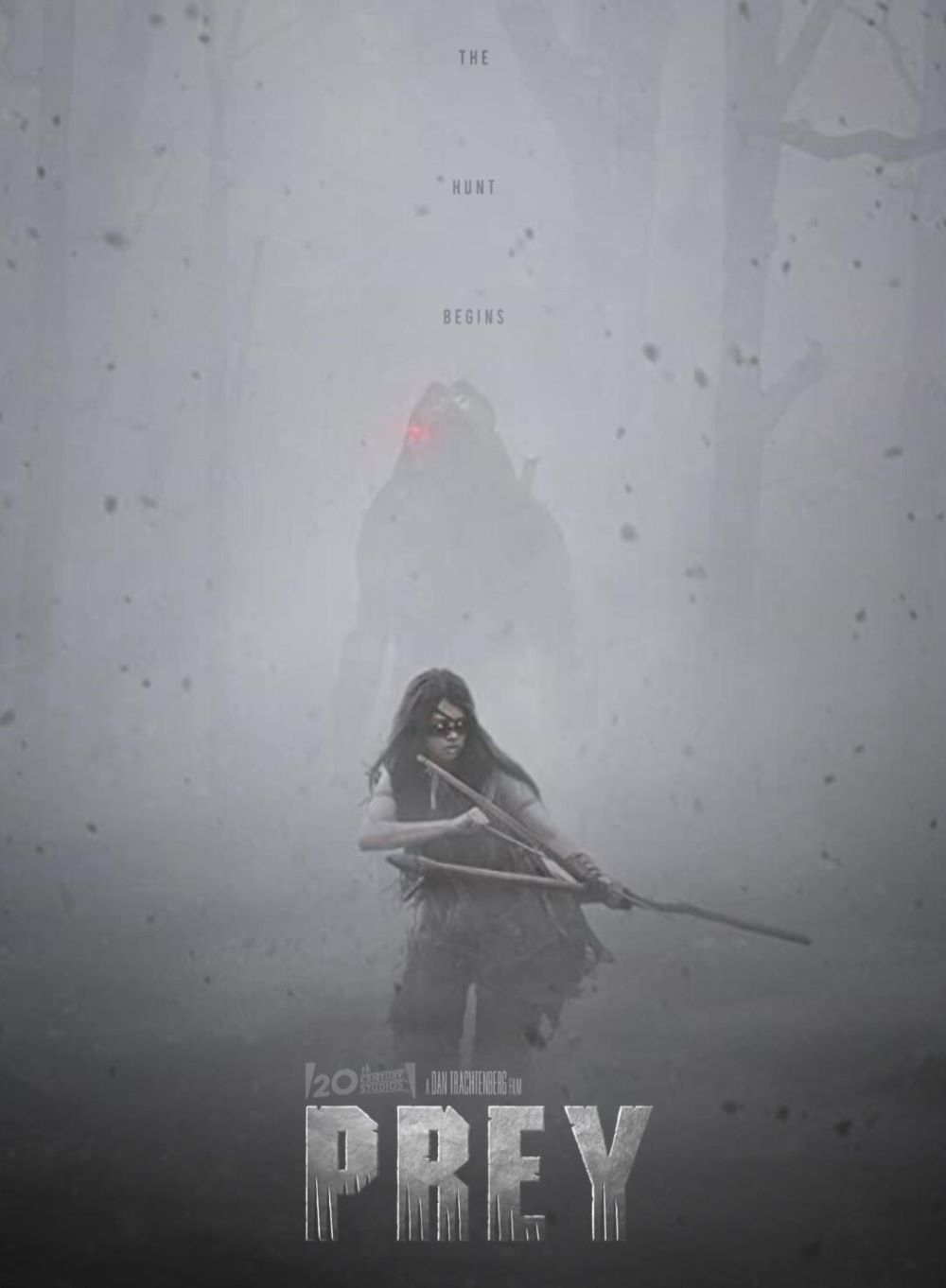
Director Dan Trachtenberg has firmly cemented his position as the franchise’s caretaker, continuing a remarkable three-film streak following the critically acclaimed Prey and the animated Predator: Killer of Killers. Each installment boasts distinctive narrative voices and innovative approaches that have successfully engaged and expanded the fanbase. Trachtenberg’s vision skillfully balances honoring the franchise’s core elements with fresh storytelling, ensuring Predator remains vital and intriguing for both longtime followers and new viewers alike.
Predator Franchise Reviews
 Through the Shattered Lens