As TSL celebrates what would have been the 109th birthday of director Richard Fleischer, I wanted to share an interview that the “This Week in Charles Bronson” podcast was able to conduct with Fleischer’s son Bruce, as well as his son-in-law, Max Reid. There’s a lot of good information about Richard Fleischer and his movies. Fleischer wasn’t a huge fan of Bronson’s personality, but he did make one of his best movies (MR. MAJESTYK), so I’m forever grateful.
Tag Archives: Richard Fleischer
4 Shots From 4 Films: Special Richard Fleischer Edition
4 Or More Shots From 4 Or More Films is just what it says it is, 4 shots from 4 of our favorite films. As opposed to the reviews and recaps that we usually post, 4 Shots From 4 Films lets the visuals do the talking!
Director Richard Fleischer was born 109 years ago today.
4 Shots From 4 Richard Fleischer Films
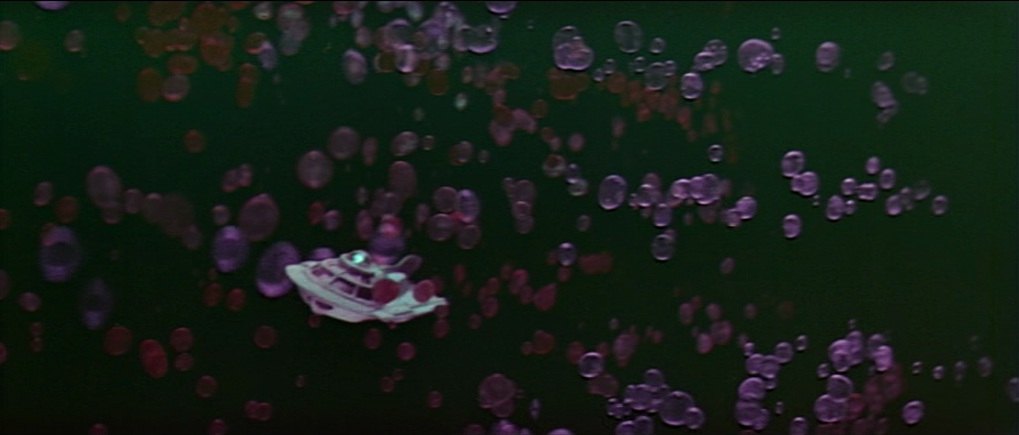
Fantastic Voyage (1966, directed by Richard Fleischer)
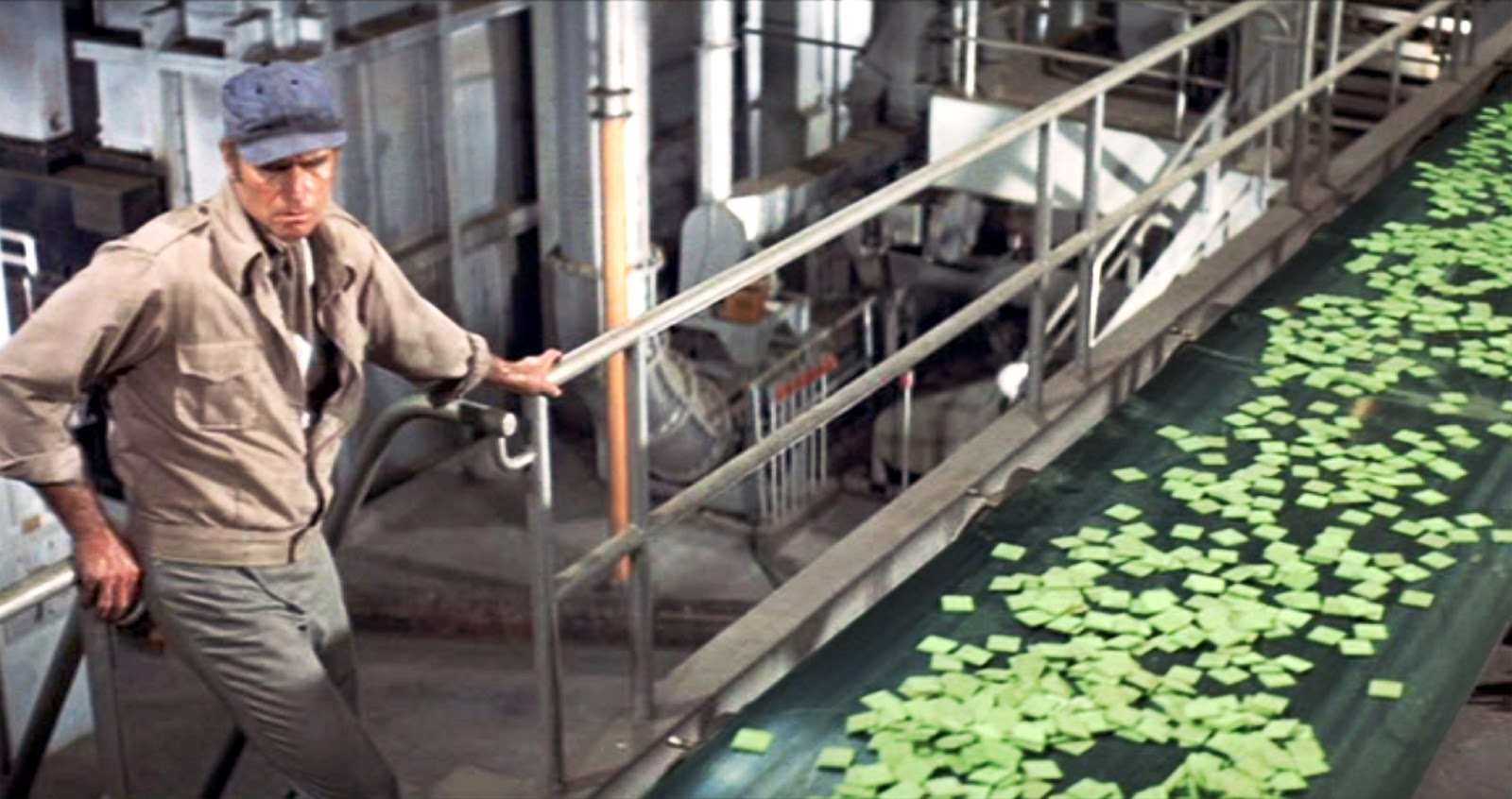
Soylent Green (1973, directed by Richard Fleischer)
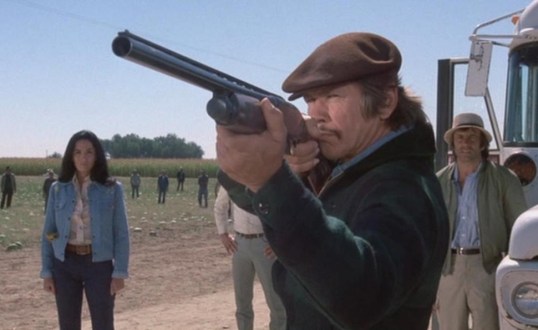
Mr. Majestyk (1974, directed by Richard Fleischer)
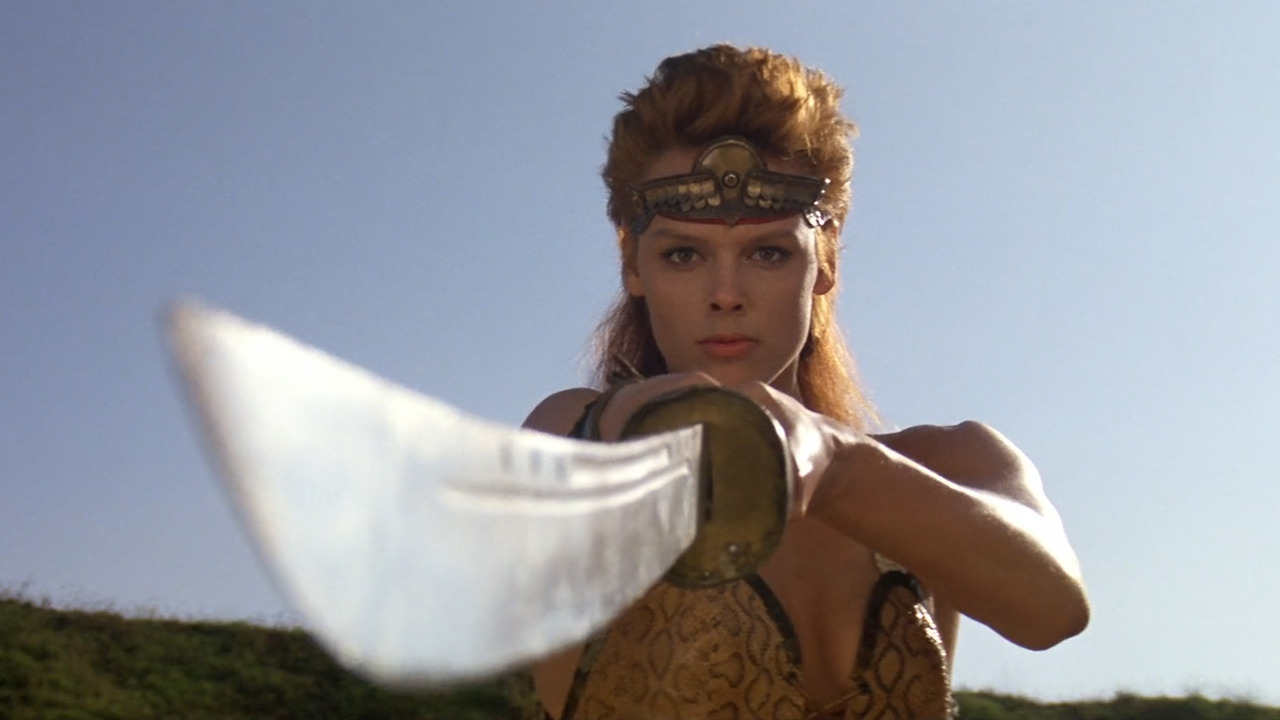
Red Sonja (1985, directed by Richard Fleischer)
4 Shots From 4 Films: Remember Pearl Harbor
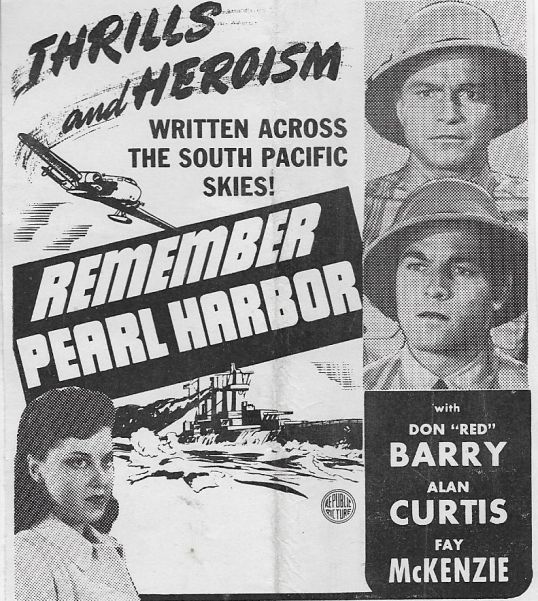
4 Or More Shots From 4 Or More Films is just what it says it is, 4 shots from 4 of our favorite films. As opposed to the reviews and recaps that we usually post, 4 Shots From 4 Films lets the visuals do the talking!
Visiting Pearl Harbor and seeing the remains of the Arizona, still trapped underwater and serving as a tomb for many of its crew, was one of the most moving experiences of my life. It’s not something that you’ll ever forget. You really don’t understand the full tragedy of Pearl Harbor until you visit for yourself. There have been several films made about Pearl Harbor, some better than others. Here are shots from four of them.
4 Shots From 4 Films: Remembering Pearl Harbor
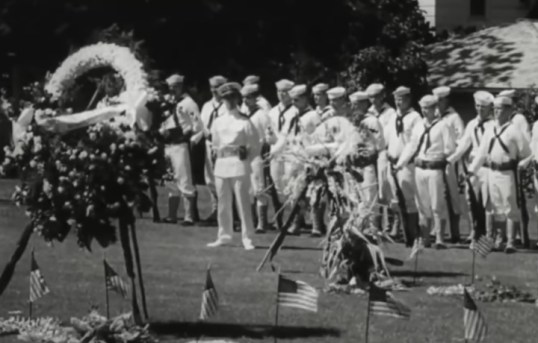
December 7th (1943, Dir. by John Ford)
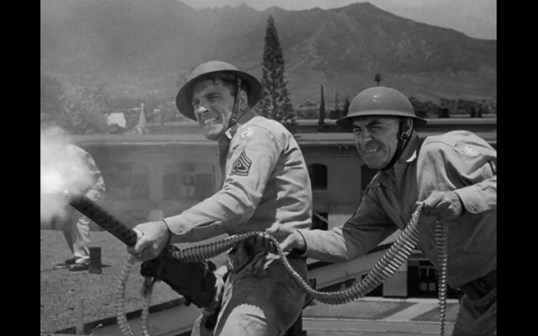
From Here To Eternity (1953, Dir. by Fred Zinnemann)
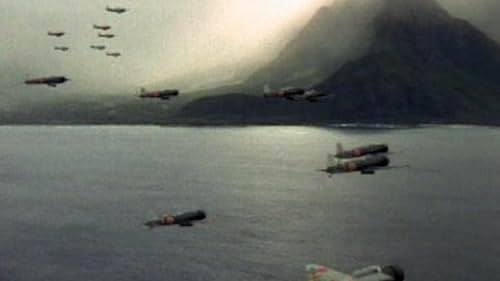
Tora! Tora! Tora! (1970, Dir. by Richard Fleischer)
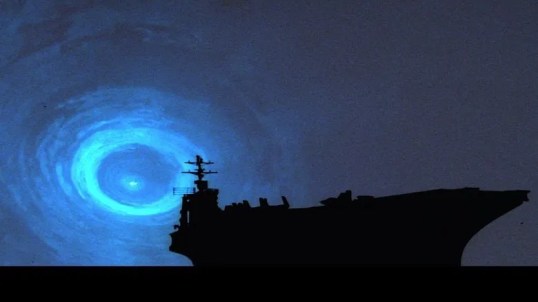
The Final Countdown (1980, Dir. by Don Taylor)
The New Centurions (1972, directed by Richard Fleischer)
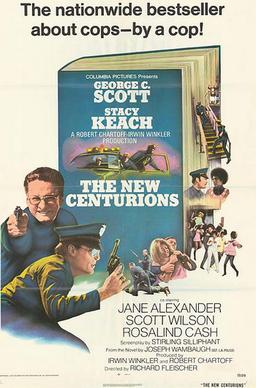 Fresh from the police academy, three rookie cops are assigned to a precinct in East L.A. Gus (Scott Wilson) is a father of three who just wants to do a good job and support his family. Sergio (Erik Estrada) is a former gang member who saw the police academy as a way to get out of his old neighborhood, and Roy (Stacy Keach) is a new father who is going to law school at night. Most of the movie centers on Roy, who goes from being an idealistic rookie to being a hardened veteran and who comes to love the job so much that he abandons law school and eventually loses his family. Roy’s wife (Jane Alexander) comes to realize that Roy will never be able to relate to anyone other than his fellow cops. Roy’s mentor is Andy Kilvinski (George C. Scott), a tough but warm-hearted survivor who has never been shot once and whose mandatory retirement is approaching.
Based on an autobiographical novel by real-life policeman Joseph Wambaugh, The New Centurion’s episodic structure allows the film to touch on all the issues, good and bad, that come with police work. Gus is shaken after he accidentally shoots a civilian. Sergio feels the burden of patrolling the streets on which he grew up. Roy becomes a good cop but at the cost of everything else in his life and he deals with the stress by drinking. There are moments of humor and moments of seriousness and then a tragic ending. Just as Wambaugh’s book was acclaimed for its insight and its realistic portrayal of the pressures of being a policeman, the movie could have been one of the definitive portraits of being a street cop, except that it was directed in a workmanlike fashion by Richard Fleischer. Instead of being the ultimate cop movie, The New Centurions feels more like an especially good episode of Police Story or Hill Street Blues. (The New Centurions and Hill Street Blues both feature James B. Sikking as a pipe-smoking, martinet commander.)
George C. Scott, though. What a great actor! Scott only has a supporting role but he’s so good as Kilvinski that you miss him when he’s not around and, when he leaves, the movie gets a lot less interesting. Scott makes Kilvinski the ultimate beat cop and he delivers the closest thing that The New Centurions has to a cohesive message. A cop can leave the beat but the beat is never going to leave him.
Happy Birthday in heaven to Al Lettieri! Enjoy this bad-ass scene from MR. MAJESTYK!
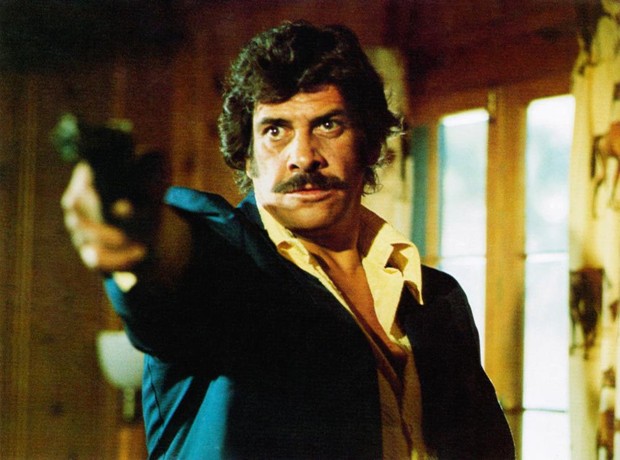
I love actor Al Lettieri. He was such an incredible “heavy” in classic movies like THE GODFATHER and THE GETAWAY.
I will always appreciate his performance as Frank Renda, one of the most badass bad guys that Charles Bronson ever faced in a movie. It’s a shame that he died so young, because he was an incredible actor. Enjoy this badass scene from MR. MAJESTYK, and remember one of the greats!
MR. MAJESTYK (1974) and a shotgun butt to the nuts! Happy Friday!
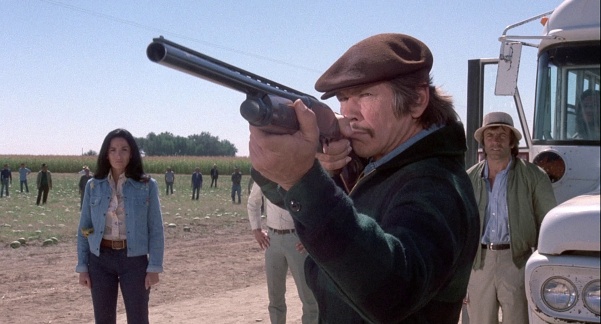
One of my favorite Charles Bronson films is MR. MAJESTYK, and one of my favorite scenes in any movie is this badass masterpiece. It encompasses just about everything I love in a movie. It has the beautiful Linda Cristal. It has the slimy Paul Koslo who doesn’t really understand who he’s dealing with. It has Bronson saying tough guy lines in a way that only he can say them…”you make sounds like you’re a mean little ass-kicker…” And finally it has that shotgun. It just doesn’t get any better than this.
Enjoy my friends, and have a great weekend!! This should help!
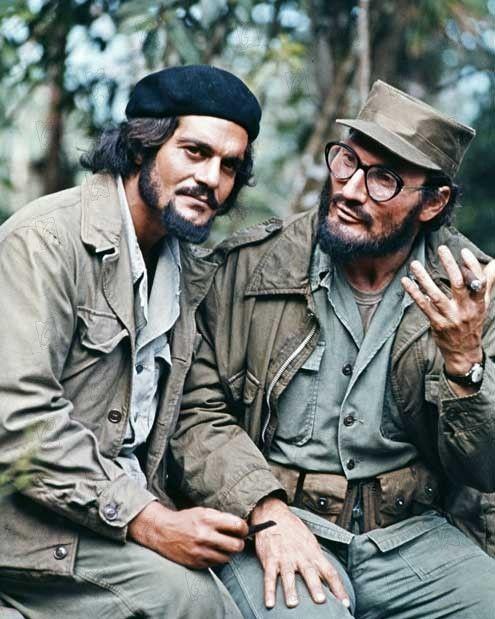
Icarus File No. 17: Che! (dir by Richard Fleischer)
Che Guevara!
By most accounts, Che Guevara epitomized the excesses and the hypocrisies of the extreme Left. He spoke of the class struggle while remaining an elitist himself. He oversaw thousands of executions and advocated for authoritarian rule. In his writings, he frequently revealed himself to be a racist and a misogynist. By arguing that the Russians should be allowed to bring nuclear missiles to Cuba, he brought the world to the brink of destruction. However, he also died relatively young and he looked good on a t-shirt. Decades after he was executed by the Bolivian Army in 1967 (or was it the CIA?), he remains an icon for college students and champagne socialists everywhere.
The film about Che! was released in 1969, two years after his death. Starring the Egyptian actor Omar Sharif as Che Guevara, Che! opens with Guevara already a martyr and then quickly gives way to flashbacks. Various actors pretending to be Cuban appear and speak directly to the audience, debating Che Guevara’s legacy. Some describe him as being a violent thug who killed anyone who displeased him. Others describe him as a visionary doctor who sacrificed his comfortable existence for the people. It’s a rather conventional opening and one that hints that Che! is going to try to have it both ways as far as Che’s legacy is concerned. But it’s still effective enough. A montage of soldiers and rebels creates the proper feeling of a society on the verge of collapse.
And then Jack Palance shows up.
Palance first appears creeping his way through the Cuban jungle with a group of soldiers behind him. Palance is chomping on a cigar and he wears the intense look of a man on a mission. My initial reaction was that Palance was playing one of the CIA agents who sent to Cuba to try to assassinate Fidel Castro or to set up the Bay of Pigs invasion. I kept waiting for him to look at the camera and launch into a monologue about why, for the safety of America, he had been dispatched the topple Cuba’s communist government. Imagine my shock when Omar Sharif called Palance, “Fidel.”
Yes, that’s right. Jack Palance plays Fidel Castro! As miscast as the suave Omar Sharif is as Che Guevara, nothing can prepare one for seeing Jack Palance playing Fidel Castro. Needless to say, there is nothing remotely Cuban or even Spanish about Jack Palance. He delivers his lines in his trademark terse Jack Palance voice, without even bothering to try any sort of accent. (And, needless to say, both he and Sharif speak English through the entire film.) Anyone who has ever seen a picture of a young Fidel Castro knows that, while he shared a family resemblance with Justin Trudeau, he looked nothing like Jack Palance. Eventually, Palance puts on a fake beard that makes him look even less like Castro. When one of our narrators mentions that Castro was a great speaker, the film cuts to a scene of Palance spitting out communist slogans with a noted lack of enthusiasm. When Castro takes control of Cuba, Palance looks slightly amused with himself. When Che accused Castro of selling out the revolution, Palance looks bored. It’s a remarkably bad piece of casting. Seeing Palance as Castro feels like seeing John Wayne as Genghis Khan. Thank goodness Hollywood never tried anything that silly, right? Anyway….
As for the rest of the film, it hits all the expected notes. The film was made in the very political year of 1969, a time when the New Left was ascendant and many considered Che Guevara to be a hero. However, since this was a studio production, Che! tries to appeal to both college radicals and their parents by taking a “both sides” approach to Che Guevara. Here’s Che teaching an illiterate farmer how to read. Here’s Che overseeing a bunch of dissidents being executed. Here’s Che getting angry at Castro for not being properly enthusiastic about housing Russian nuclear missiles. Here’s Che talking about a moral revolution. Here’s Che trying to start an unwanted war in Bolivia. Here’s Che talking to Sid Haig — hey, Sid Haig’s in this film!
Like so many mainstream political films of the 60s and today, Che! tries to be political without actually taking any firm positions. One is tempted to say that is the film’s downfall. Of course, the film’s real downfall is casting Jack Palance as Fidel Castro.
There’s no way to recover from that.
Film Review: The Jazz Singer (dir by Richard Fleischer)
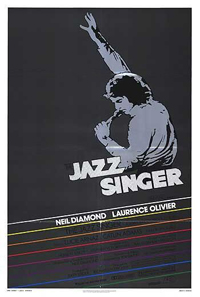
In the 1980 remake of The Jazz Singer, it only takes the film seven minutes to find an excuse to put Neil Diamond in blackface.
Of course, the film was a remake of the 1927 version of The Jazz Singer, which featured several scenes of Al Jolson performing in blackface. In fact, Al Jolson in blackface was such a key part of the film that it was even the image that was used to advertise the film when it was first released. Back in the 20s, Jolson said that wearing blackface was a way of honoring the black artists who created jazz. (As shocking as the image of Al Jolson wearing blackface is to modern sensibilities, Jolson was considered a strong advocate for civil rights and one of the few white singers to regularly appear on stage with black musicians.) Regardless of Jolson’s motives, less-progressively minded performers used blackface as a way to reinforce racial stereotypes and, to modern audiences, blackface is an abhorrent reminder of how black people were marginalized by a racist culture. You would think that, if there was any element of the original film that a remake would change, it would be the lead character performing in blackface.
But nope. Seven minutes into the remake, songwriter Jess Robin (Neil Diamond) puts on a fake afro and dons blackface so that he can perform on stage at a black club with the group that is performing his songs. The group’s name is the Four Brothers and, unfortunately, one of the Brothers was arrested the day of the performance. Jess performs with the group and the crowd loves it until they see his white hands. Ernie Hudson — yes, Ernie Hudson — stands up and yells, “That’s a white boy!” A riot breaks out. The police show up. Jess and the three remaining Brothers are arrested and taken to jail. Jess is eventually bailed out by his father, Cantor Rabinovitch (Laurence Olivier). The Cantor is shocked to discover that his son, Yussel Rabinovitch, has been performing under the name Jess Robin. He’s also stunned to learn that Yussel doesn’t want to be a cantor like his father. Instead, he wants to write and perform modern music. The Cantor tells Yussel that his voice is God’s instrument, not his own. Yussel returns home to his wife, Rivka (Caitlin Adams), and tries to put aside his dreams.
But when a recording artist named Keith Lennox (Paul Nicholas) wants to record one Yussel’s songs, Yussel flies out to Los Angeles. As Jess Robin, he is shocked to discover that Lennox wants to turn a ballad that he wrote into a hard rock number, Jess sings the song to show Lennox how it should sound. The arrogant Lennox is not impressed but his agent, Molly (Lucie Arnaz) is. Soon, Jess has a chance to become a star but what about the family he left behind in New York? “I have no son!” the Cantor wails when he learns about Jess’s new life in California.
I’ve often seen the 1980 version of The Jazz Singer referred to as being one of the worst films of all time. I watched it a few days ago and I wouldn’t go that far. It’s not really terrible as much as its just kind of bland. For someone who has had as long and successful a career as Neil Diamond, he gives a surprisingly charisma-free performance in the lead role. The most memorable thing about Diamond’s performance is that he refuses to maintain eye contact with any of the other performers, which makes Jess seem like kind of a sullen brat. It also doesn’t help that Diamond appears to be in his 40s in this film, playing a role that was clearly written for a much younger artist. Still, when it comes to bad acting, no one can beat a very miscast Laurence Olivier, delivering his lines with an overdone Yiddish accent and dramatically tearing at his clothes to indicate that Yussel is dead to him. Olivier was neither Jewish nor a New Yorker and that becomes very clear the more one watches this film. It takes a truly great actor to give a performance this bad. Diamond, at least, could point to the fact that he was a nonactor given a starring role in a major studio production. Olivier, on the other hand, really had no one to blame but himself.
Still, I have to admit that ending the film with a sparkly Neil Diamond performing America while Laurence Olivier nods in the audience was perhaps the best possible way to bring this film to a close. It’s a moment of beautiful kitsch. The Jazz Singer needed more of that.
Film Review: The Don Is Dead (dir by Richard Fleischer)
“The Don is Dead!” shouts the title of this 1973 film and it’s not lying.
After the powerful and respect leader of the Regalbuto crime family dies, the Mafia’s governing body meets in Las Vegas to debate who should be allowed to take over the family’s operations. Frank Regalbuto (a smoldering Robert Forster) wants to take over the family but it’s agreed that he’s still too young and hot-headed. Instead, control of the family is given Don Angelo DiMorra (Anthony Quinn), an old school Mafia chieftain who everyone agrees is a man of respect. Don DiMorra will serve as a mentor to Frank while Frank’s main enforcers, The Fargo Brothers, will be allowed to operate independently with the understanding that they will still respond if the mob needs them to do a job. Tony Fargo (Forrest) wants to get out of the rackets all together while his older brother, Vince (Al Lettieri), remains loyal to the old ways of doing things.
Frank is not happy with the arrangement but he has other things to worry about. He knows that there’s a traitor in his family. While he and the Fargo brothers work to uncover the man’s identity so that they can take their revenge, Don Angelo falls in love with a Vegas showgirl named Ruby Dunne (Angel Tompkins). However, Ruby is engaged to marry Frank and, when Frank returns from taking care of the traitor, he is tipped off as to what has been happening in his absence. Frank goes crazy, nearly beating Ruby to death. Don Angelo declares war on Frank and the Fargo brothers are forced to decide which side they’ll serve.
In the 1970s, almost every crime film was either a rip-off of The French Connection or The Godfather. The Don Is Dead is unique in that it attempts to rip off both of them at the same time. The film opens French Connection-style with a couple of hoods trying to double-cross Frank during a drug deal, leading to shoot-out. (Keep an eye out for Sid Haig as one of Frank’s men.) The film is full of scenes that are meant to duplicate the gritty feel of The French Connection though, needless to say, none of them are directed with the cinema verité intensity that William Friedkin brought to that classic film. Meanwhile, Anthony Quinn plays a character who is very much reminiscent of Don Vito Corleone, even pausing at one point to tell Frank that “drugs are a dirty business.” The Godfather‘s Abe Vigoda and Al Lettieri show up in supporting roles and Robert Forster gives a performance that owes more than a little to James Caan’s Oscar-nominated turn as Sonny Corleone. (Interestingly enough, both Quinn and Forster were among the many actors considered for roles in The Godfather.)
Unfortunately, the film itself is slowly-paced and never really draws us into the plot. Director Richard Fleischer, who directed a lot of films without ever developing a signature style, brings none of the intensity that William Friedkin brough to The French Connection nor can he duplicate Francis Ford Coppola’s operatic grandeur. The Don is Dead plays out like a particularly violent made-for-TV movie. There’s a lot of talented people in the cast but they’re defeated by thinly drawn characters. Robert Evans often said that Coppola was hired to direct The Godfather because, as an Italian-American, he would bring an authenticity to the material that a non-Italian director would not be able to do. The Don Is Dead would seem to indicate that Evans knew what he was talking about.
4 Shots From 4 Films: Special Charles Bronson Birthday Edition
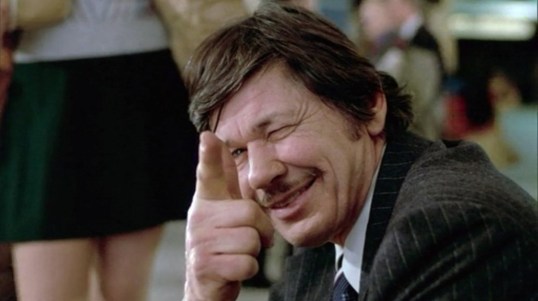
4 Or More Shots From 4 Or More Films is just what it says it is, 4 shots from 4 of our favorite films. As opposed to the reviews and recaps that we usually post, 4 Shots From 4 Films lets the visuals do the talking!
Today is the 100th anniversary of the birth of an actor who is very popular here at the Shattered Lens, Charles Bronson! In honor of the momentous occasion, we now pay tribute to the one and only Bronson with….
4 Shots From 4 Charles Bronson Films
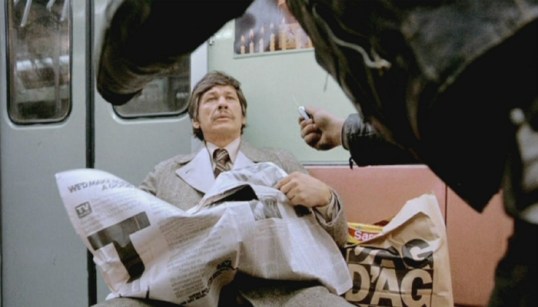
Death Wish (1974, dir by Michael Winner, DP: Arthur Ormitz)
Mr. Majestyk (1974, dir by Richard Fleischer DP: Richard Kline)
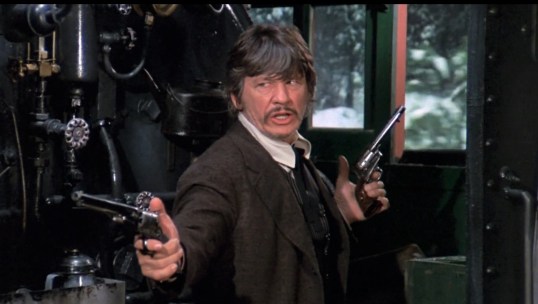
Breakheart Pass (1975, dir by Tom Gries, DP: Lucien Ballard)
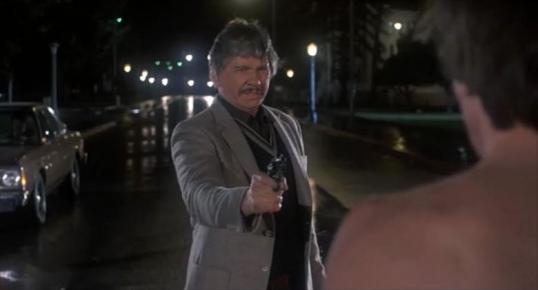
10 To Midnight (1983, dir by J. Lee Thompson, DP: Adam Greenberg)
 Through the Shattered Lens