For whatever reason, I happened to pick out two fun music videos in a row well in advance. I have up to the beginning of November already planned out.
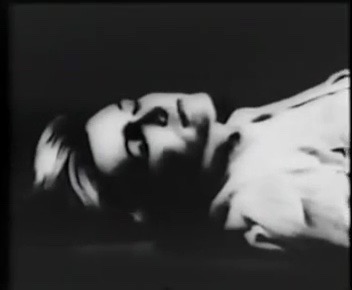
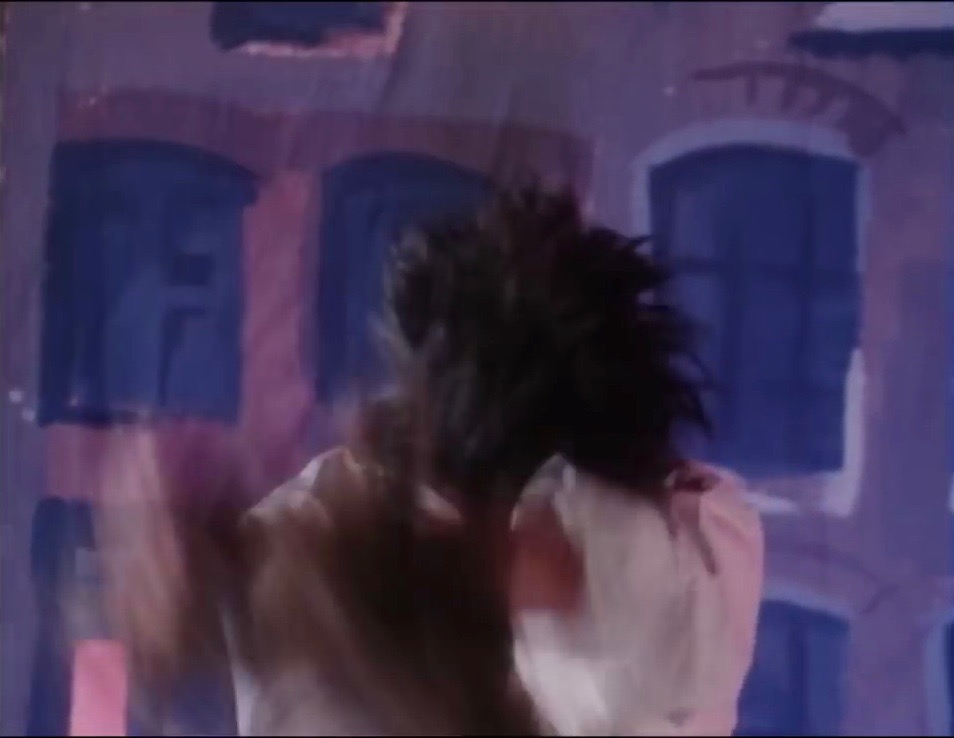
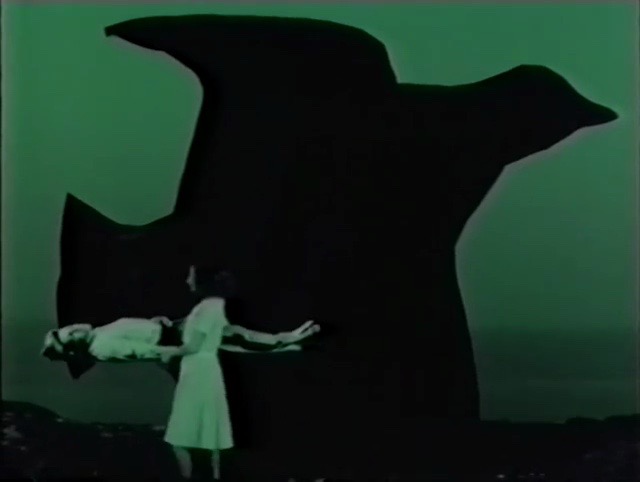
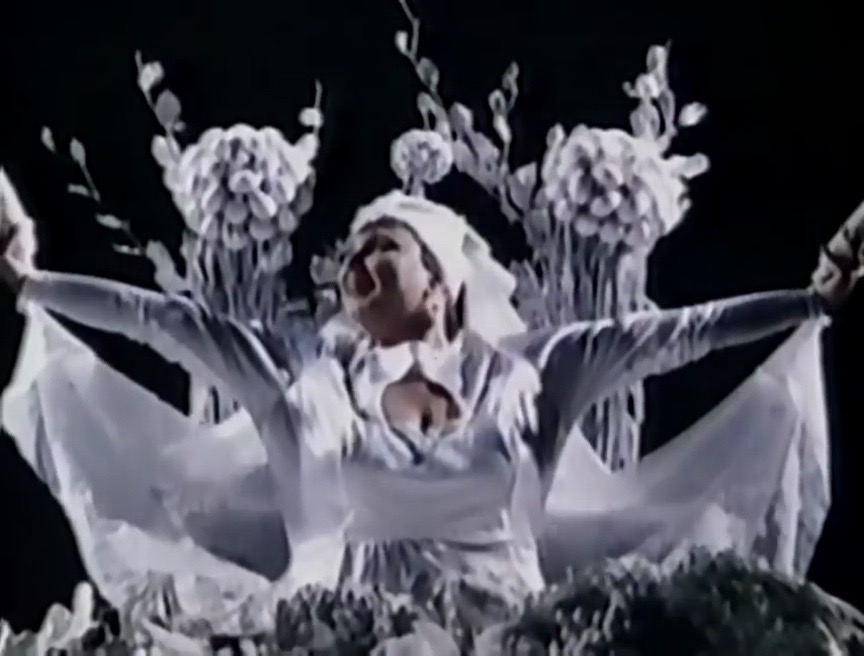
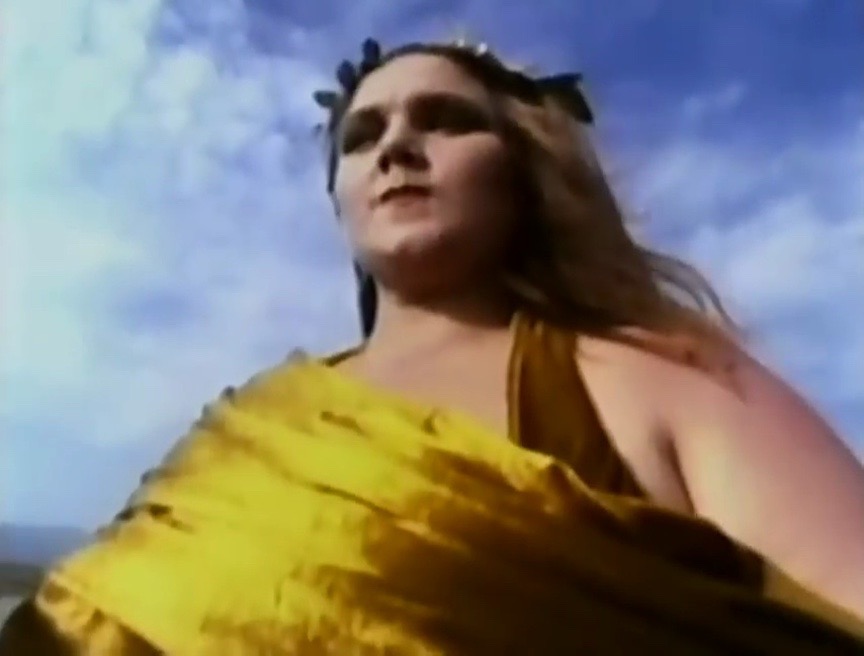
This is a song like Walking On Sunshine by Katrina And The Waves that probably everyone has heard before. It’s a simple video filled with video effects and plenty of sexual innuendo filling the screen. The band even had some controversy over a picture of the lead singer given her age at the time it was taken. There is a rather suggestive photo of her floating in the water at the beginning and end of the video. Just like I Know What Boys Like by The Waitresses and Centerfold by J. Geils Band, I hope you just have fun listening to it as I am while writing this post.
Steve Kahn directed the music video. He did only a couple of other music videos, but there is still something noteworthy. I Want Candy was in between a video for Lou Reed’s Women and Bad Manner’s My Girl Lollipop (My Boy Lollipop). I haven’t heard them yet, but it is interesting that all three music videos were done in a row given the titles.
Seeing as the last two music videos we did were quite serious–Jeremy by Pearl Jam and Runaway Train by Soul Asylum–I thought we’d go with one that is just fun. I am not really going to talk about it except to bring up one sad thing and the director.
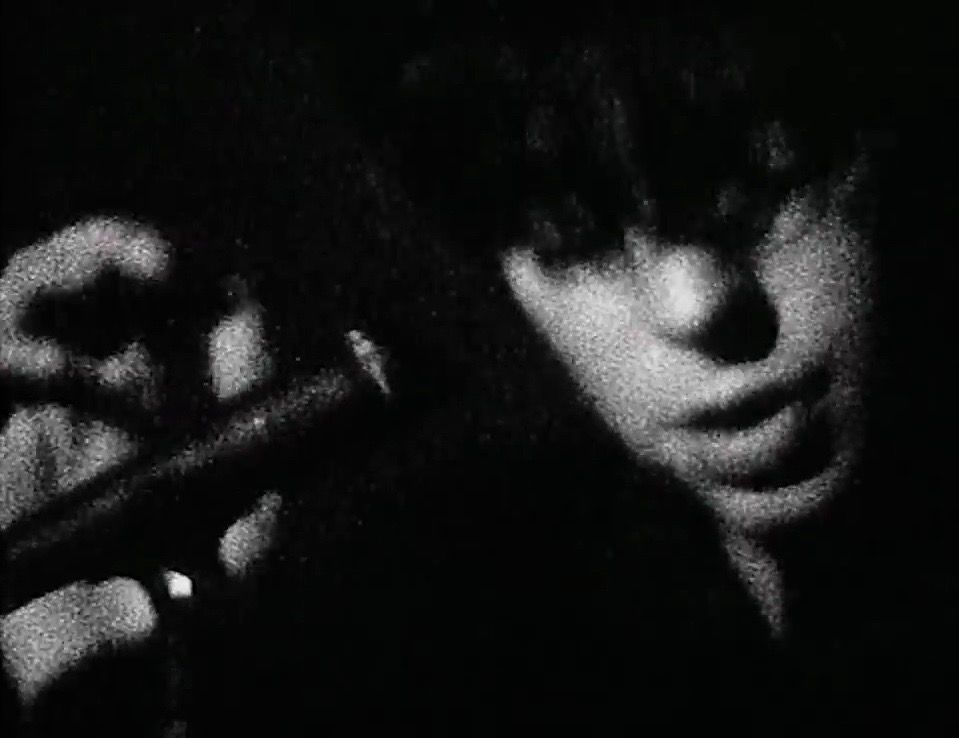
The sad thing is that this video starts with lead singer Patty Donahue smoking. What is sad about that is she died of cancer on December 9th, 1996. I don’t know if it was lung cancer or not, but it is a shame that her wonderful deadpan vocal delivery is no longer with us.
The director of the video is Ken Walz. He did several music videos in various positions including writing, producing, and directing Girls Just Wanna Have Fun for Cyndi Lauper. He also directed Time After Time for Lauper.
Might as well do this music video now. There’s no “good” time to do it. I never thought too much about the music video till now. It’s montage/collage shots of a kid who obviously has a very unhappy life played by Trevor Wilson. Eddie Vedder stands around as the narrator for the boy’s story. Finally, we have the ending where the kid goes and kills himself in front of the class as clearly shown by the kids holding up their arms to protect themselves from the splashes of blood.
That is what the video is about, but not what some people think it is about. Some people think it is about a kid who brought a gun to school, then shot his fellow students. Others have even tried to use this video as a scapegoat for their actions. I remember once reading about some people who were blaming their actions on The Matrix. Might as well give it a try. People sure ate it up in the 80s when people would blame Satan and Heavy Metal. So why not blame this music video for your actions? I won’t link to it here, but I have come across a site in the past that even though it acknowledges what Ozzy Osbourne’s song Suicide Solution is actually about, they still say they are sure kids have killed themselves a result.
Based on the Wikipedia article on this video, a lot of this nonsense seems to stem from real world school shootings. Enough. The song is about a kid who is so tortured by his life and the people around him that he sadly does what some people do. He kills himself, and in his case, does it in a manner that leaves a message for others. In the case of the story in this music video, it’s killing himself in front of all the kids who made fun of him while his home life was a personal hell, which the song talks about. In particular, the line about cleaning it from the blackboard. I have a feeling more people need to see Frederick Wiseman’s 1968 documentary called High School.
However, you can’t completely blame this on people misunderstanding the music video. The music video came in two stages. They filmed a prototype-like version of it before deciding to film the one above. Well, sort of the version above. The second version they filmed edited out the kid putting the gun in his mouth to commit suicide because of censorship restrictions. That’s why people looked at the kids afterwards and thought it represented them having been killed. Thanks, MTV!
With that out of the way, let me just say that I never particularly liked the music video. I love the song, but just like Smells Like Teen Spirit, it became annoying because it was overplayed. The music video has always been an example to me of why Pearl Jam shouldn’t have been making music videos at the time. Eddie Vedder looks ridiculous while trying to convey some very serious material. Still, it is another essential of the early 90s. It is devastating and heartbreaking. It is also a prime example of how editing–forced or not–without thinking can have serious consequences. It is also a prime example of how censorship can completely transform a work of art into something else for a portion of its’ audience.
You have to remember that this came out only a year or so after Jeremy by Pearl Jam and No Rain by Blind Melon. We also had America’s Most Wanted in full swing. The music video is partially made up of some scenes of the band playing mostly acoustic instruments while the lead singer does a better version of Eddie Vedder’s performance in Jeremy. The rest is made up of dramatizations of people running away/kidnapped, the consequences, and children’s pictures shown onscreen with their names and how long they have been missing.
The showing of actual missing kids led to some unintended results. It sounds like a good idea at first. I mean one of the members of Bone Thugs ‘N Harmony was found thanks to the TV Movie Adam (1983) that led to America’s Most Wanted, so why not? Well, if you hop over to the Wikipedia page, then you find out there were some bad things that happened as a result. In one case, the girl wasn’t actually missing, but had been killed and buried in the backyard by her mother. Another case was a girl who was forced back into a bad situation after having seen the music video. There are other details there too, such as the multiple versions of the music video with different kids in it. Some are still missing, while others have met unfortunate endings. It’s sad. Thankfully, according to the director, around 30 of the kids were found.
It is a classic both in song and video. It just also happens to be a sad case of the best of intentions turning sour for some.
If you haven’t seen it, then watch it. This music video premiering in September of 1991 was the 90s equivalent of The Beatles going on Ed Sullivan.
I’ve been a fan of Nirvana for a long time now, but I have never been a fan of this music video. According to Wikipedia, director Samuel Bayer figures he was hired because he would make a “not corporate” music video seeing as it was the first one he was hired to do and he felt his test reel was lousy. Also according to Wikipedia, the extras doing their thing wasn’t staged. They got pissed off sitting around all day, so Cobain and Bayer let them act out their frustration and filmed it. The janitor was played by Tony De La Rosa. The last shot of the close-up on Kurt’s face was his idea along with a few other edits he did for the final version that was shown on MTV. I’m glad he did seeing as I can’t think of anything more visually iconic about Nirvana than Kurt’s face screaming in close-up.
I like to imagine Nirvana performing at a high school like how it must have looked when Dead Kennedys performed at my old high school in 1982. Or, how it would have looked had they shown up in Frederick Wiseman’s documentary High School (1968).
High School (1968, dir. Frederick Wiseman)
There’s other information out there about the music video, but the important thing to know going into watching this is context. This was a major break visually and audibly from what was going on prior to the release of the album Nevermind.
It’s been awhile since a song made me tear-up. You might not know the story behind the song since I didn’t. Drummer and vocalist Kelly Keagy was visiting his younger teenage sister and was amazed how fast she was growing up. He wrote the song about her. You can tell he was anxious and worried about her fast approaching adulthood. Of course people latched onto the word “motoring” as if the song and music video don’t make it clear that the term is synonymous with “cruising”. I think I need to break out Jeff from Rock: It’s Your Decision (1982) every time I do a music video that has a song with misunderstood lyrics in it such as Losing My Religion.
Rock: It’s Your Decision (1982, dir. Jon Taylor)
I guess it’s appropriate then that the song became Sister Christian because one of the other band members kept mishearing Sister Christy as Sister Christian.
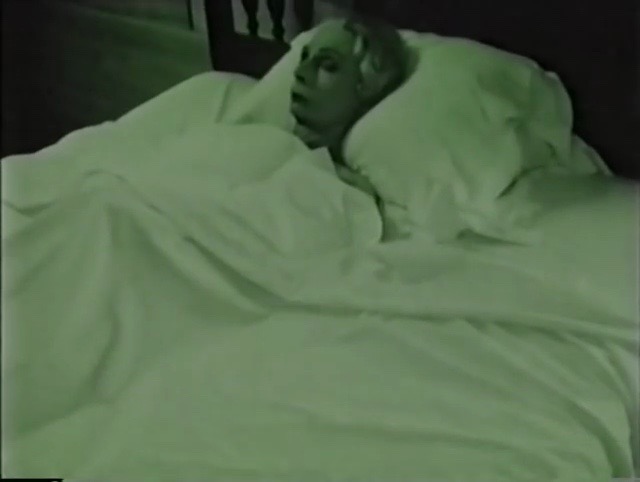
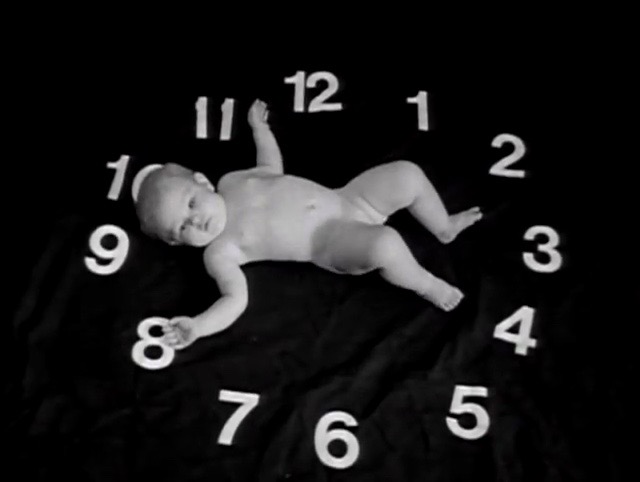
The music video starts off with a clock literally ticking off the seconds of her life before we cut to her graduation. What follows are scenes of her coming of age while the band appears to be practicing in an auditorium. She is ambivalent throughout about her sexuality, how it relates to her studies, and how she is going to live her life after high school no longer has a hold on her. In the end, she decides to hop in the car and drive off into her future.
In a way, you could consider Billy Joel’s Only the Good Die Young a companion piece to this song. It too has a misunderstood meaning.
The high school in reality is San Rafael High School in California.
I couldn’t find much on director Dan Halperin except that he worked on a few other music videos.
On the other hand, I found that production manager Peter Lippman has worked on a ton of music videos performing numerous jobs.
With this music video of the day, I have now done 62 of these posts. It has taken that long to hit a music video that came out in 1981.
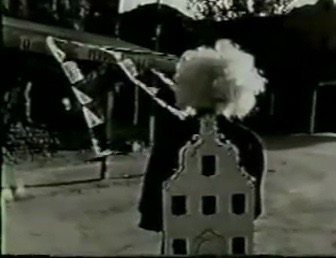
When I was growing up before I discovered Nirvana, I was listening to my parents’ music. Luckily, they had pretty good taste. I received the standard stuff that anyone of my generation should expect from their parents, but there were a few odd ones. I used to be a little ashamed when my dad would have Neil Sedaka’s greatest hits album playing when he would take me to and from soccer. I’m not ashamed to say I like Sedaka to this day. Especially not when Sedaka apparently made this music video type thing himself back in early 1960s, which reminds me of Centerfold.
My parents were very focused on raising me, so they largely missed out on 80s music, but there were a few exceptions. Two of the most notable examples were Centerfold and The Logical Song by Supertramp.
The song is a given. Freeze Frame is enjoyable, but Centerfold is a classic feel-good song that I would be willing to believe a lot of people have heard without knowing the name of the group.
I love the music video because I don’t see music videos often where the band or a member of the band has fun with some other people in it. I have to wonder how many times the lead singer either fell off the desks, or at least came close. The music video looks as fun as the song sounds. I don’t know what else you can ask for when making one of these for a song like Centerfold.
We have the same crew from Freeze Frame here. Director Paul Justman worked on a handful of music videos. He also did some other films including Gimme an ‘F’ (1984), which I have since found out is about cheerleaders (go figure). I have also since procured a copy of it too.
According to IMVDb, this was cinematographer Andrew Dintenfass’ first music video. He seems to have worked primarily with Russell Mulcahy and Paul Justman, but there is one he did with Kenny Ortega who would later direct the very popular horror musicals for Disney in the 2000s. We’ll get to one of his music videos later.
Justman did a great job capturing the fun of the song. I can’t say that enough. Just enjoy it!
Then maybe come back and listen to Neil Sedaka perform Solitaire.
If I only washed my hair once every two weeks, then I would be grease city.
I’m quite sure that Nada Surf never went on to have much success, but they did make an impact with this song. I recently watched a movie all about popularity, and I’m 99% sure it has an instrumental soundalike of this song at the beginning of it. It’s called The A-List (2015).
It’s a very simple, but enjoyable music video. This is one I say is a music video that helps to set the context for the song. Alone it’s okay, but with the music video it has a setting for its’ lecture.
Director Jesse Peretz did about 20 music videos. One of them is the best Foo Fighters music video of all time that I am really surprised I haven’t done yet. He has also mainly done directing for TV shows such as Nurse Jackie and Girls.
If you haven’t seen it, then enjoy this 1996 time capsule. It’s a lot of fun.
I would usually try to write something here. Something like that she represented the worst of the late 90s. Maybe that she has grown on me since that time. Just about anything along those lines would normally fill this post. But I can’t do that because I really can’t get over that the director of Wonderwall by Oasis, Paradise City by Guns N’ Roses, and Everybody Wants To Rule The World by Tears For Fears made this music video. Then again, he has worked on some 300-400 music videos, so why not?
Speaking of why not. Why not a death metal cover of this song?
Page Buckner worked in the art department for this music video. There is an IMDb page for that name, but I’m not sure if someone born in 1979 would have been working on this music video. Assuming it is, then he has worked on numerous major projects such as Django Unchained (2012).
Watching this music video is very nostalgic, but I am so glad this period of music is over. Enjoy this time capsule.
I’m really not sure what to say about this other than to watch it. It is one of the best music videos I have spotlighted so far. That shouldn’t be a big surprise since it is Russell Mulcahy directing a Billy Joel music video. For whatever reason, Billy Joel’s music videos are some of the best I have seen. Russell Mulcahy is an excellent director of music videos. It’s a winning combination.
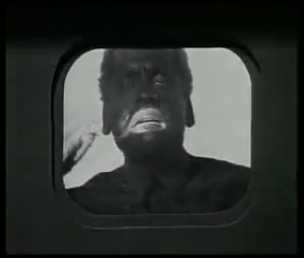
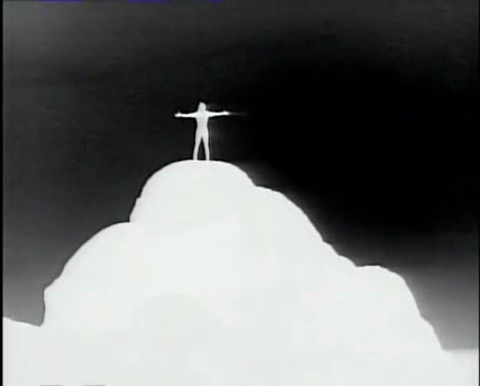
I guess there are two things I want to make particular note of in the music video. First, is that it uses a modified version of the training montage from The Parallax View (1974) at the beginning. The second thing is that I love how Mulcahy used water and liquids in general as something that not only builds up pressure when attempts to contain it are made, but also as something that can consume you if you cannot handle pressure as the song says. It is much like the television that winds up capturing the kid within it since it is also a source of pressure along with magazines and other mass media.
This is another one of those music videos where we know more than just the director.
Andrew Dintefass was the cinematographer on Pressure. He shot a few other music videos with Russell Mulcahy, some other music videos, and did a few other things as well.
Doug Dowdle edited Pressure. He also edited, directed, and wrote a few music videos.
Keith Williams wrote Pressure. He wrote over 60 music videos, which includes a bunch of Russell Mulcahy ones. I found an IMDb entry that I am pretty sure is him and includes numerous producer credits.
Jackie Adams was the producer of Pressure. She seems to have exclusively produced music videos directed by Russell Mulcahy.
I love when I come across a music video that has this much documentation available.