4 (or more) Shots From 4 (or more) Films is just what it says it is, 4 (or more) shots from 4 (or more) of our favorite films. As opposed to the reviews and recaps that we usually post, 4 (or more) Shots From 4 (or more) Films lets the visuals do the talking.
98 years ago today, Lucio Fulci — the maestro of Italian genre filmmaking — was born in Rome. Fulci would go on to direct some of the most visually stunning (and, occasionally, most narratively incoherent) films ever made. Fulci worked in all genres but he’ll probably always be best remembered for launching the Italian zombie boom with Zombi2. His subsequent Beyond trilogy continues to fascinate and delight lovers of both horror and grindhouse filmmaking.
Lucio Fulci, needless to say, is a pretty popular figure here at the TSL. In honor of the date of his birth, it’s time for….
6 Shots From 6 Lucio Fulci Films
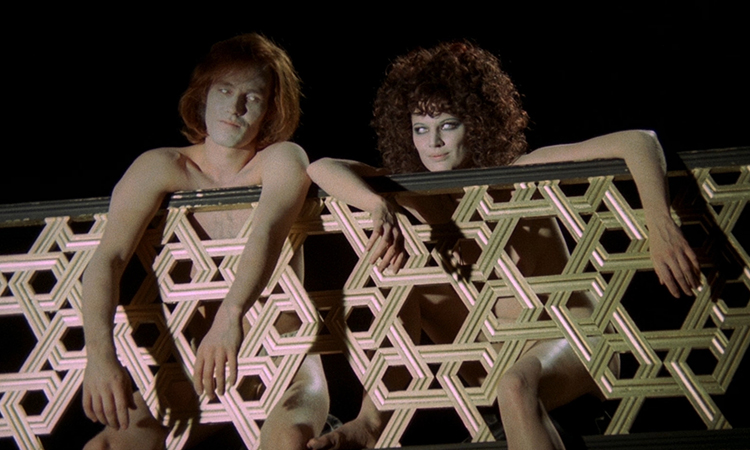
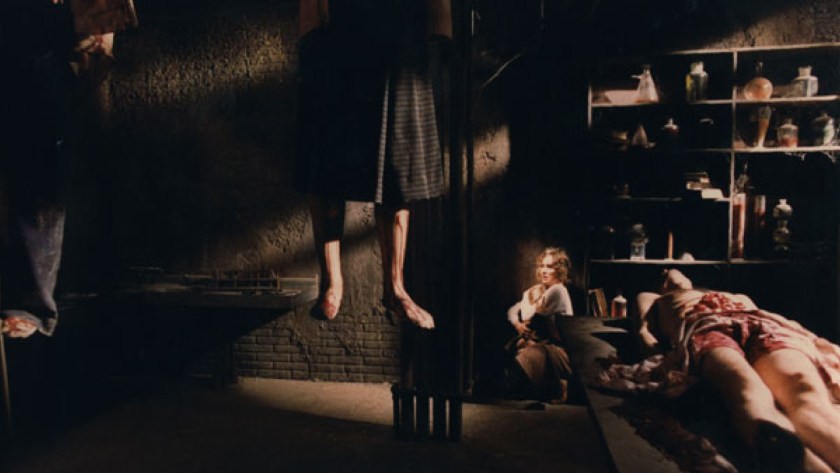
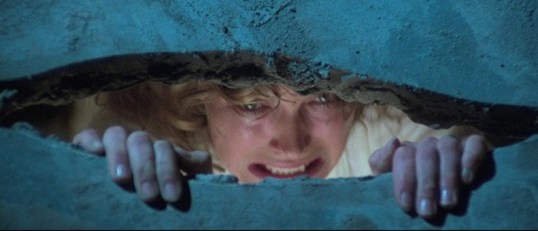
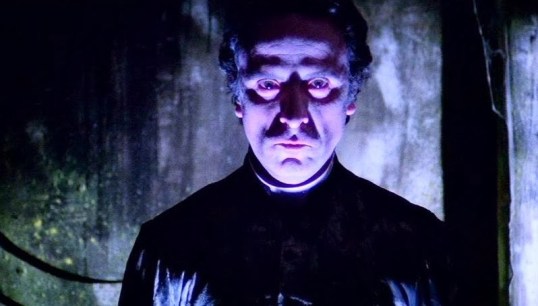
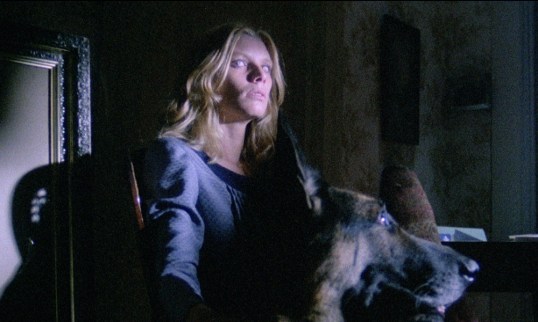
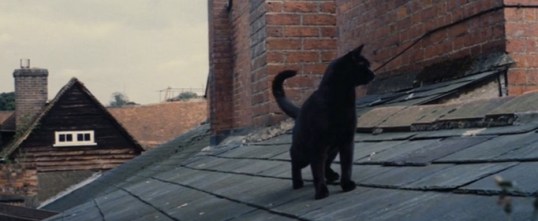
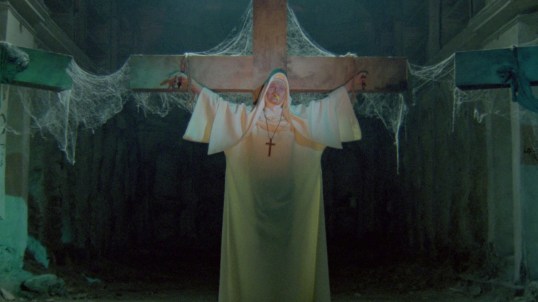
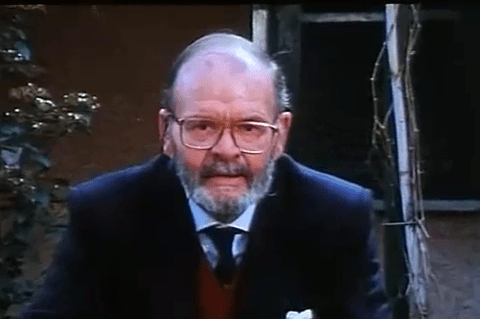
A Lizard In A Woman’s Skin (1971, dir by Lucio Fulci, DP: Luigi Kuveiller)
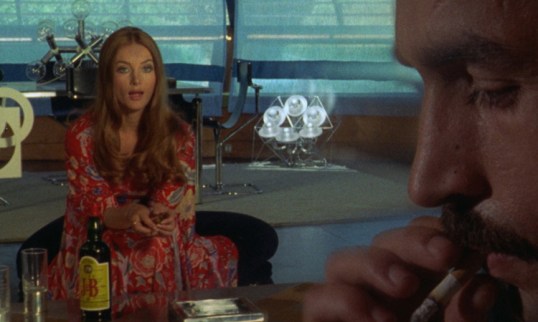
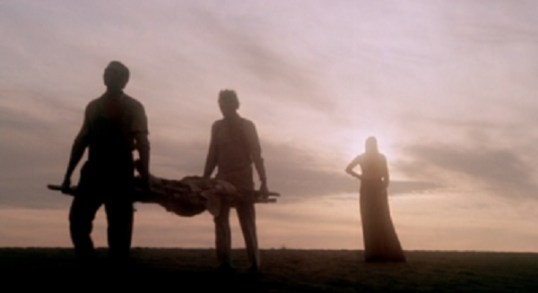
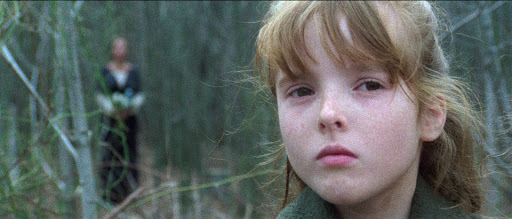
Don’t Torture A Duckling (1972, dir by Lucio Fulci, DP: Sergio D’Offizi)
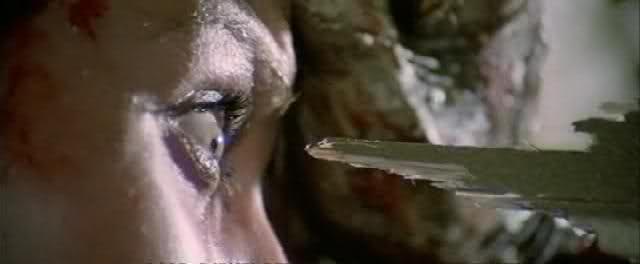
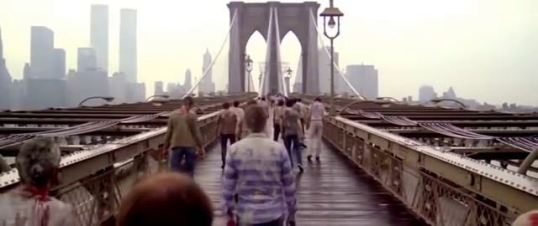
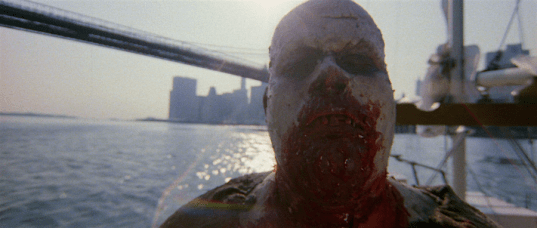
Zombi 2 (1979, dir by Lucio Fulci, DP: Sergio Salvati)
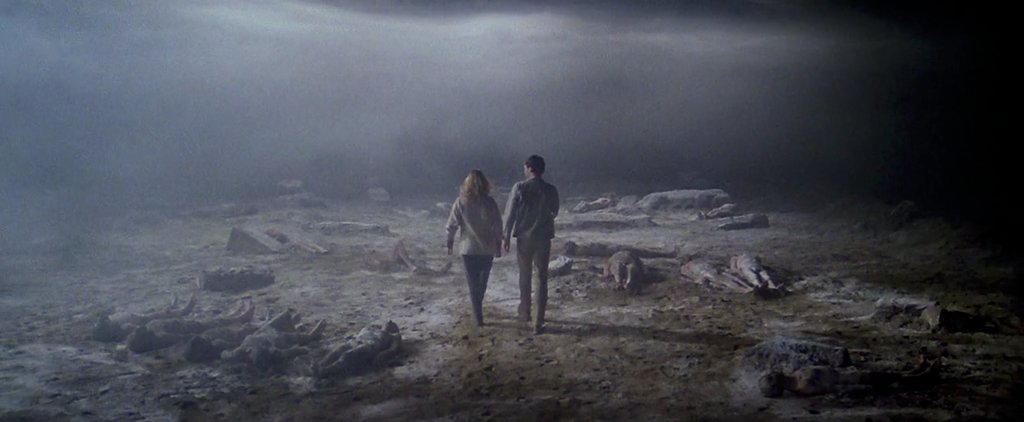
The Beyond (1981, dir by Lucio Fulci, DP: Sergio Salvati)
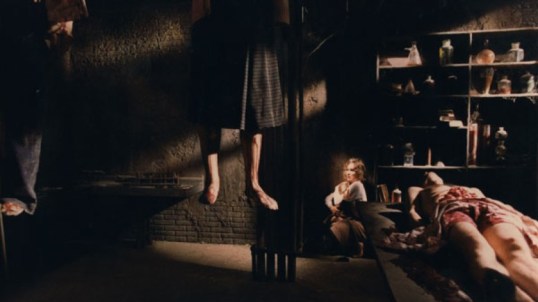
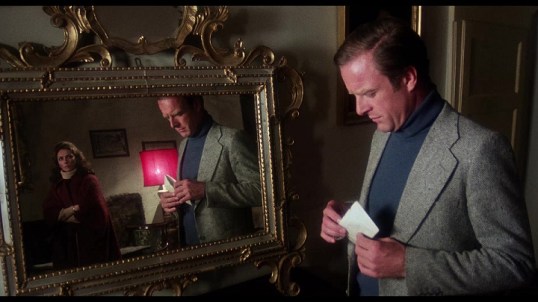
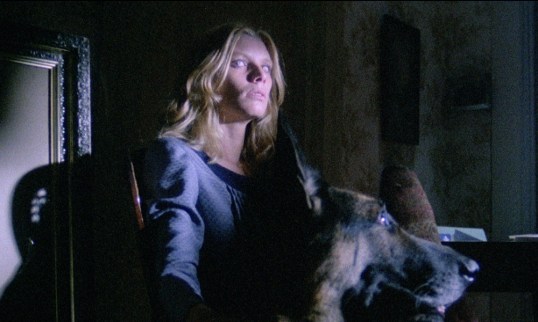
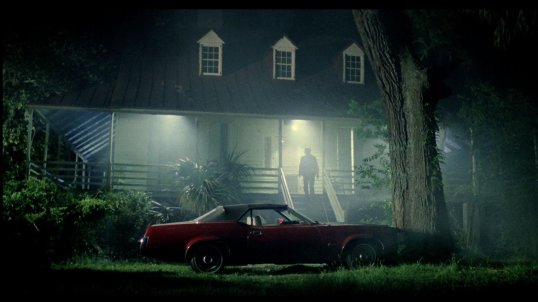
The House By The Cemetery (1981, dir by Lucio Fulci, DP: Sergio Salvati)
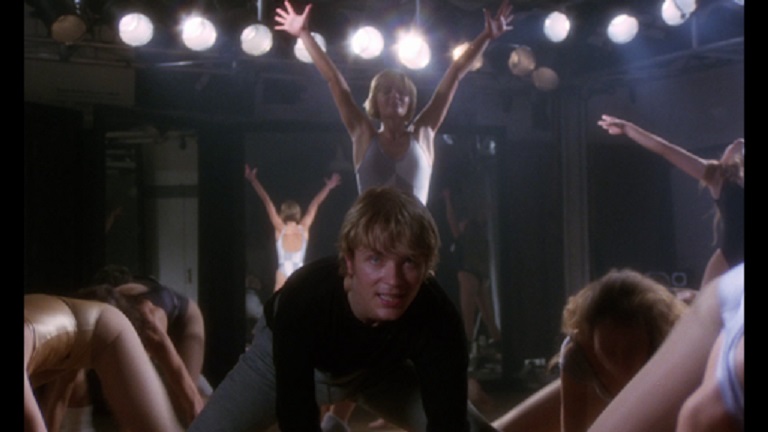
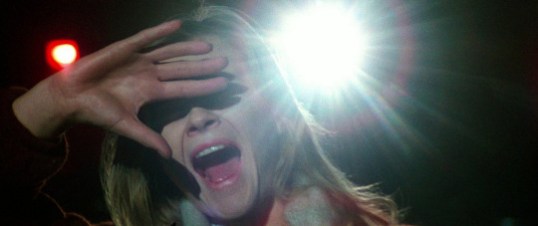
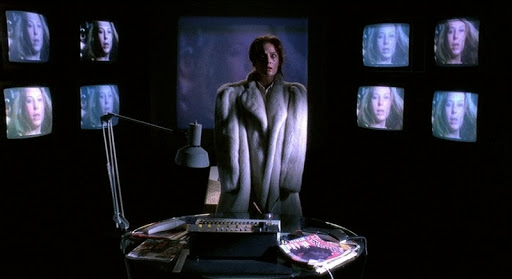
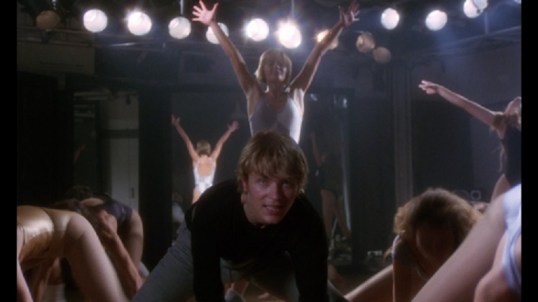
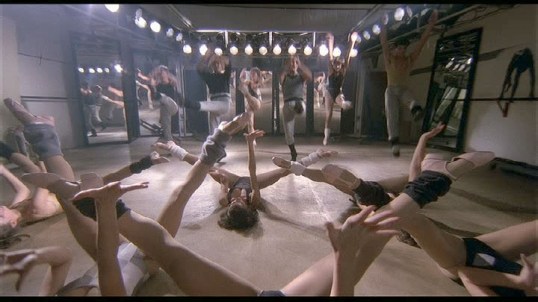
Murder Rock (1984, dir by Lucio Fulci, DP: Giuseppe Pinori)
Are the streets to blame? Paranoia’s coming your way….
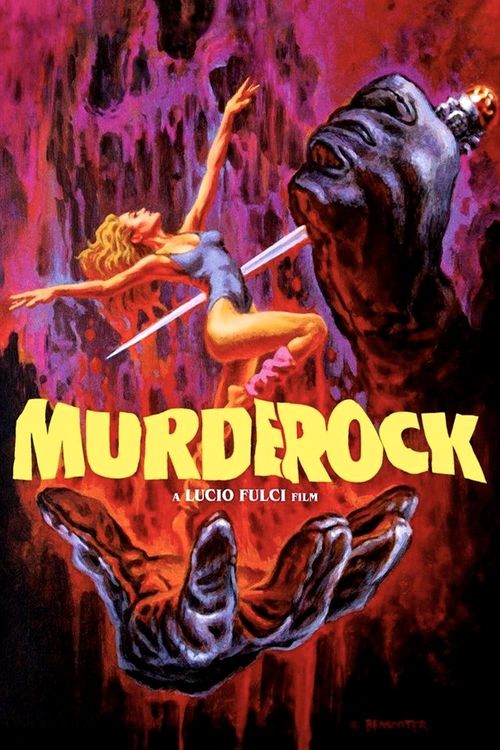
Ah, Murder Rock.
This 1984 film is often dismissed as being one of director Lucio Fulci’s lesser efforts, an attempt to combine the trappings of the giallo genre with the sexy, choreographed dance routines of Flashdance. And certainly, the film does lack the visceral, dream-like horror of The Beyond trilogy andZombi 2. The film’s killer isn’t even as interesting as The New York Ripper‘s killer who talked like a duck. That said, I think some critics have been a bit too hard on Murder Rock over the years. Taken on its own terms, it’s a well-made slasher with a healthy does of 80s style. Of course, I should admit that, as someone who grew up attending dance classes and dancing through the pain, I could relate to the film’s milieu. I’ve never had to deal with a zombie in real life but I did meet my share of dancers who would do anything to move up.
The film takes place at the Arts For The Living Center in New York City, where young dancers are hoping to land a spot on a televisions show and also hoping to avoid getting killed by the murderer who is haunting the locker rooms and using a long hairpin needle to stop the hearts of his victims. (The sound of a previously healthy victim’s heart beating on the soundtrack and then abruptly stopping is far more powerful than one might expect.)
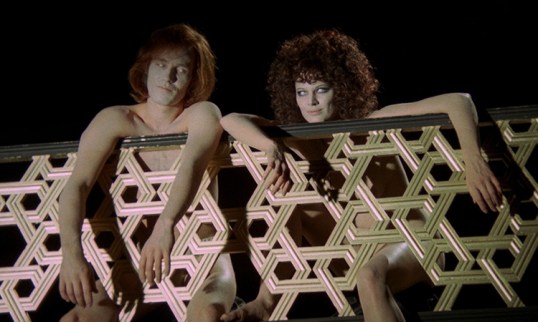
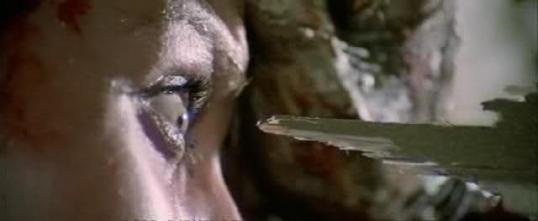
Previously seen losing an eye in Fulci’s Zombi 2, Olga Karalatos plays Candice Norman, the owner of the dance studio. When one of her dancers is murdered while taking a shower, Candice is just one of many suspects. Candice, however, is haunted by a dream in which she sees herself being stalked by a handsome man (Ray Lovelock) carrying a hairpin. Later, Candice realizes that she’s seen the handsome man before. He’s George Webb, a male model whose face adorns a billboard. Candice starts to investigate George on her own, discovering that he’s apparently an alcoholic who lives in a run-down apartment. When evidence starts to show up suggesting that George could be the murderer, he claims that he’s being framed.
Of course, George isn’t the only suspect. There’s also Willy Stark (played by Christian Borromeo), a dancer whose girlfriend ends up as a victim of the murder spree. With his blonde hair and aristocratic bearing, Christian Borromeo was one of the most handsome actors to appear in Italian films in the early 80s. He didn’t do many films before retiring but he still managed to appear in films directed by Dario Argento, Federico Fellini, Ruggero Deodato, and Lucio Fulci. He played very different characters in all of his films and gave a good performance each time. One reason why I specifically want to single out Christian Borromeo here is because there’s still a lot of people online who are under the impression that Borromeo died a heroin overdose in the 80s. This is largely due to a comment that was made during an interview with David Hess, who co-starred with Borromeo in The House At The Edge of the Park. Hess was confusing Borromeo with their co-star, Garbiele Di Giulio. Di Giulio did indeed die of a heroin overdose. Christian Borromeo is still alive, though retired from acting.
As for Murder Rock, the killings are nowhere near as gory as in Fulci’s other films but that actually adds to the film’s creepy atmosphere. The killer is frightening because the killer is coolly efficient and can kill without resorting to the out-of-control, manic violence of quacking sociopath at the center of The New York Ripper. As is usual with Fulci, the film’s visuals are Murder Rock‘s greatest strength. The first murder occurs while the locker room’s light blink on and off, creating a truly frightening sequence as the camera seamlessly assumes the killer’s point of view. When the police investigate the crime, the flashes of the police cameras are almost blinding as they record the stark crime scene. Candice’s nightmares play out like a particularly macabre perfume commercial (and yes, that it meant as a compliment). Fulci’s camera roams from location to location, keeping the audience off-balance throughout the film. As he did in so many of his other films, Fulci makes New York look like the grimiest, most claustrophobic city in the world.
As for the dance sequences, they’re so over-the-top that you can’t help but love them. The film was obviously envisioned as a way to cash in on the popularity of Flashdance but Fulci’s dispenses of the romanticism that made Flashdance a hit and instead just focuses on bodies moving in a explosion of choreographed carnality. There’s nothing subtle about the way the film lingers on the spandex-clad dancers but then again, that’s why we love Fulci. He was not one to make apologies.
Fulci once said that Murder Rock was meant to be the first part of a projected trilogy of musical gialli. Who knows whether or not that’s true. (As an interview subject, Fulci was always quick to boat of the grand projects he had planned for the future. As the diabetic Fulci was in precarious health at the same time that he made his most popular horror films, there was always something rather poignant to Fulci’s constant boasting about all of the great films he planned to make.) As I said at the start of this review, Murder Rock is one of Fulci’s less-appreciated films but, as someone who loves both dancing and watching horror movies, I’ve always liked it. Even the fact that the killer is exposed in a way that doesn’t really stand up to close scrutiny just adds to the film’s charm. (Seriously, a good giallo rarely makes that much sense.)
6 Shots From 6 Films is just what it says it is, 6 shots from 6 of our favorite films. As opposed to the reviews and recaps that we usually post, 6 Shots From 6 Films is all about letting the visuals do the talking.
Today, the 2nd of October, the TSL honors of the greatest of all Italian horror directors, the one and only Lucio Fulci!
6 Shots From 6 Lucio Fulci Films
A Lizard In A Woman’s Skin (1971, dir by Lucio Fulci, DP: Luigi Kuveiller)
Zombi 2 (1979, dir. Lucio Fulci, DP: Sergio Salvati)
The Beyond (1981, dir by Lucio Fulci, DP: Sergio Salvati)
The House By The Cemetery (1981, dir by Lucio Fulci, DP: Sergio Salvati)
The New York Ripper (1982, dir by Lucio Fulci, DP: Luigi Kuveiller )
Murder Rock (1984, dir by Lucio Fulci, DP: Guiseppe Pinori)
4 (or more) Shots From 4 (or more) Films is just what it says it is, 4 (or more) shots from 4 (or more) of our favorite films. As opposed to the reviews and recaps that we usually post, 4 (or more) Shots From 4 (or more) Films lets the visuals do the talking.
96 years ago today, Lucio Fulci — the maestro of Italian genre filmmaking — was born in Rome. Fulci would go on to direct some of the most visually stunning (and, occasionally, most narratively incoherent) films ever made. Fulci worked in all genres but he’ll probably always be best remembered for launching the Italian zombie boom with Zombi2. His subsequent Beyond trilogy continues to fascinate and delight lovers of both horror and grindhouse filmmaking.
Lucio Fulci, needless to say, is a pretty popular figure here at the TSL. In honor of the date of his birth, it’s time for….
6 Shots From 6 Lucio Fulci Films
Lizard in a Woman’s Skin (1971, dir by Lucio Fulci, DP: Luigi Kuveiller )
Don’t Torture A Duckling (1972, dir by Lucio Fulci, DP: Sergio D’Offizi)
Zombi 2 (1979, dir. Lucio Fulci, DP: Sergio Salvati)
The Beyond (1981, dir by Lucio Fulci, DP: Sergio Salvati)
The House by The Cemetery (1981, dir by Lucio Fulci, DP: Sergio Salvati)
Murder Rock (1984, dir by Lucio Fulci, DP: Guiseppe Pinori)
4 (or more) Shots From 4 (or more) Films is just what it says it is, 4 (or more) shots from 4 (or more) of our favorite films. As opposed to the reviews and recaps that we usually post, 4 (or more) Shots From 4 (or more) Films lets the visuals do the talking.
94 years ago today, Lucio Fulci — the maestro of Italian genre filmmaking — was born in Rome. Fulci would go on to direct some of the most visually stunning (and, occasionally, most narratively incoherent) films ever made. Fulci worked in all genres but he’ll probably always be best remembered for launching the Italian zombie boom with Zombi2. His subsequent Beyond trilogy continues to fascinate and delight lovers of both horror and grindhouse filmmaking.
Lucio Fulci, needless to say, is a pretty popular figure here at the TSL. In honor of the date of his birth, it’s time for….
6 Shots From 6 Films is just what it says it is, 4 shots from 4 of our favorite films. As opposed to the reviews and recaps that we usually post, 6 Shots From 6 Films lets the visuals do the talking!
93 years ago today, in Rome, Lucio Fulci was born!
Today is a very special day for fans of Italian horror. It’s also a special day for those of us here at the Shattered Lens. Anyone who has been reading this site for a while knows that we’re big Fulci fans at the TSL. So, in honor of the anniversary of his birth, here are….
Yesterday, I was excited to see Arleigh launch a new feature here at the site. With 4 Shots From 4 Films, the TSL contributors will be sharing favorite shorts from some of their favorite scenes. As opposed to doing our usual review or recap, this feature will let the image do the talking. Hopefully, some readers will be inspired to track down and watch, if they haven’t already, some of the films that we end up featuring.
At the very least, it’s a great way for us all to express our love for the cinematic art form.
Yesterday was also the birthday of the late, great Lucio Fulci. My first entry in 4 Shots From 4 Films highlights some of the maestro‘s finest work.
As I’m sure I’ve mentioned before, I’ve always loved to dance. Before I embraced the movies, my life was about dancing. I was going to be Prima Ballerina and my mom paid for several years of ballet class to help me reach that goal. I obsessed on it the way that I obsess, today, on Lucio Fulci and Jean Rollin. However, my brilliant career was cut short by two things — 1) I’m about as graceful as a Clydesdale and 2) I ended up tumbling down a flight of stairs when I was 17 and essentially shattering my ankle. Actually, I guess those two things might be connected. Anyway, I can’t complain because giving up my affected love of ballet allowed me to discover my very true love of film. I was never really a great dancer (though I was, and am, very enthusiastic) but I’m very good at watching movies.
However, I still love to dance and I still love movies — even mainstream movies — that feature dancing. That’s why I’m so looking forward to seeing Black Swan next month. Until then, here’s 6 of my favorite dance scenes from the movies.
Let’s start off with one of my favorite “dance” scenes of all time, my man Giovanni Lombardo Radice and Lorraine De Selle breaking it down in Ruggero Deodato’s The House On The Edge of the Park. The man in yellow is David Hess.
If anyone’s ever wondered why I was crushing on Joseph Gordon-Levitt in Inception (as opposed to Tom Hardy, Cillian Murphy, or Leonardo DiCaprio), it was largely because of this scene from (500) Days Of Summer.
Murder Rock is kinda sorta like my own personal Holy Grail — it’s a grindhouse dance movie directed by Lucio Fulci! Plus, it costars Christian Borremeo, who co-starred in The House on the Edge Of The Park and Dario Argento’s Tenebrae.
Okay, so I think Nine was definitely the worst the movie of 2009. Yes, even worse than Avatar. However, I love this scene and I love the song featured in it, Cinema Italiano. Yes, technically, it’s a really terrible song that displays an astounding ignorance of Italian cinema. If anything, the lyrics appear to be describing the French New Wave. True, the song do make reference to “neo-realism” but you get the feeling no one involved with Nine ever saw Open City or The Bicycle Thief. But the thing is do damn catchy that I still find myself singing it in the shower. Like me, Kate Hudson is obviously not much of a singer or a dancer but she’s very enthusiastic.
An Unmarried Woman was apparently very groundbreaking in 1978. Seen now, it seems like a better title for it would be An Unmarried Woman Who Can Still Afford A Penthouse Apartment In New York City. Still, the late, great Jill Clayburgh’s performance holds up well and I like the film if just because it’s still one of the few movies out there that’s willing to acknowledge that an unmarried woman can still be a sensual, happy woman. The scene below captures perfectly the exhilarating joy of just surrendering to the music and dancing. Plus, for me, this is one of those “Hey, I do that too!” scenes. In fact, my ankle is still hurting as a result of rewatching this film last Friday.






 Through the Shattered Lens