“You can’t keep digging if you’re still holding onto the shovel of the past.” — Clay
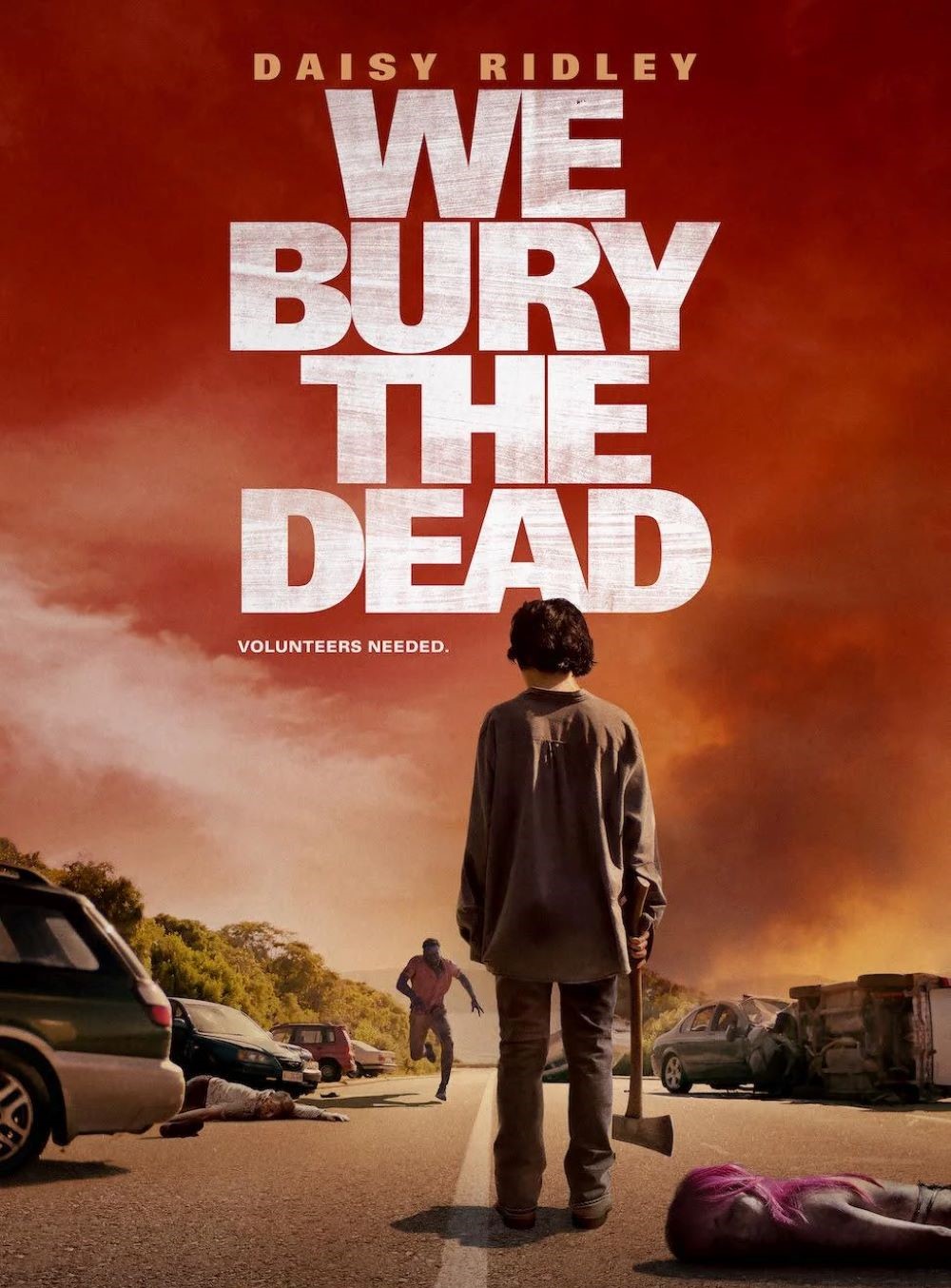
We Bury the Dead knows exactly what genre it’s working in and makes no qualms about it, blending zombie tropes with a refreshingly modest scale that keeps the focus tight on one woman’s personal quest amid catastrophe. Directed and written by Zak Hilditch in his first effort since These Final Hours, the film unfolds in Tasmania after the U.S. President accidentally detonates an experimental explosive device, killing 500,000 people—some from the blast, others from a pulse that shuts down their brains. Daisy Ridley stars as Ava, who joins a body retrieval unit searching for her missing husband, only to face complications when the corpses begin showing eerie signs of life.
The setup draws from familiar zombie beats but refreshes them through its grounded, intimate lens. Rather than globe-trotting stakes or worldwide pandemonium, the story stays glued to Ava’s hip as she combs the ruins, making her emotional journey the true center of gravity. Gradual flashbacks peek into Ava and her husband’s rocky relationship before the event, adding layers to her drive without overwhelming the present-tense dread. Encounters with traumatized military forces emerge as secondary antagonists, heightening tension through human flaws rather than just the undead threat.
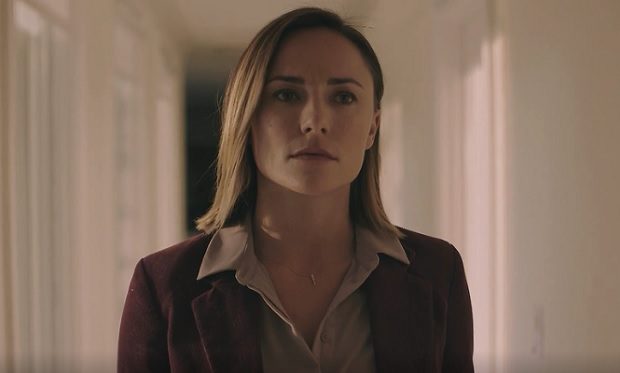
Daisy Ridley’s reserved yet gripping performance anchors everything, deftly avoiding caricature by pulling back just enough to hint at deeper turmoil bubbling beneath Ava’s surface. She brings a quiet physicality to the role—slumped shoulders during endless retrievals, micro-expressions like a jaw tightening over a child’s toy or hands trembling before steadying—that fills the sparse dialogue scenes with unspoken pain. Ridley knows when to unleash raw emotion, as in survival scraps with reanimating bodies or a claustrophobic clash with soldier Riley (Mark Coles Smith), where her eyes convey fear, rage, and clarity in equal measure. Her restraint evolves into resolve by the end, distilling Ava’s arc into a wordless shift from numb hope to tentative agency, her face a map of acceptance and lingering sorrow.
Even amid the somber tone, Hilditch infuses energy to keep things lively: a bright pop-rock track over chilling explosion fallout imagery, retrieval crew members partying hard off-duty, or Brenton Thwaites’ Clay (a reasonably charming co-lead) masking horror with dark comedy. These beats prevent the film from dragging into pure depression, balancing Ava’s grief with flickers of messy humanity. Clay’s warmth breaks up her isolation through shared exhaustion and hesitant bonds, while his humor underscores the absurdity of survival.
The zombies themselves spark a love-hate dynamic, refusing the z-word like Shaun of the Dead but delivering undead with a standout twist: teeth grinding to shards, visually grotesque but sonically haunting in a way that crawls under the skin. They start subtle, twitching amid body bags, before ramping to aggressive charges in the final act—though their motivations stay murky, adding unease. This sound design stands as one of the film’s boldest, most horrific choices, turning every onscreen appearance into an auditory assault that lingers longer than the visuals. Violence stays blunt and quick, feeling like grim necessities in a broken world rather than showy spectacles.
Craft-wise, the modest production shines. Cinematography captures Tasmania’s vast emptiness and suffocating interiors, with dust motes and shadowed hallways amplifying emotional compression. Design sells the halted lives—scattered toys, frozen family photos—without CGI excess, grounding the pulse-induced apocalypse in tangible loss. The 95-minute runtime clocks in tight, its observational repetition mirroring grief’s grind while building to disruptive spikes of undead or human peril.
Pacing favors atmosphere over escalation, risking sluggishness in routine retrievals but fitting the theme of numbing loss punctuated by shocks. The finale embraces ambiguity, prioritizing Ava’s internal shift over tidy resolutions to the outbreak or weapon’s fallout, leaving bigger questions underdeveloped to stay personal.
Ridley’s work elevates the familiar tropes, her internalized subtlety proving ideal for this scaled-down zombie tale that prioritizes haunting sound, emotional depth, and quiet resilience over bombast. We Bury the Dead may lean on genre staples, but its fresh restraint and sonic chills make it a compelling, if divisive, mood-driven entry—perfect for those craving horror that’s more about enduring the aftermath than outrunning the horde.
 Through the Shattered Lens