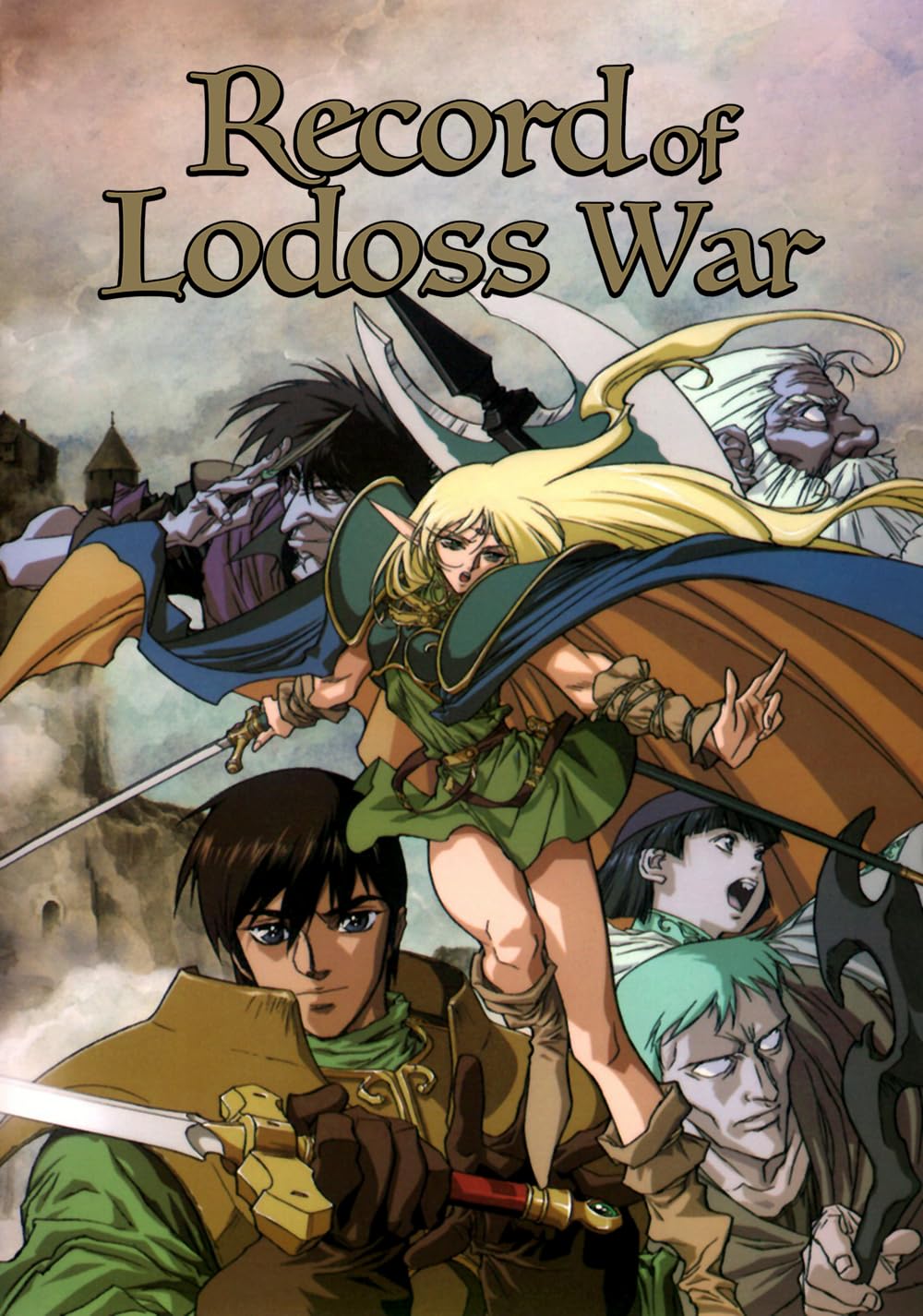
Anime You Should Be Watching: Record Of Lodoss War (Rōdosu-tō Senki)


“I don’t understand you humans at all. But then, maybe that’s what makes you so fascinating!” — Deedlit

Record of Lodoss War is one of those series that feels less like a single anime and more like a crystallized moment in the evolution of fantasy storytelling in Japan: ambitious, clunky, oddly moving, and unmistakably rooted in tabletop role-playing DNA. It is also a work that shows its age in both craft and politics, which makes revisiting it today a fascinating mix of admiration and frustration.

Set on the war-torn island of Lodoss, the story follows Parn, the disgraced knight’s son who sets out to restore his family’s honor, gathering around him the quintessential fantasy party: Etoh the priest, Slayn the mage, Ghim the dwarf, Deedlit the high elf, and Woodchuck the thief. On paper, this is pure campaign log: goblin attacks, dragon encounters, cursed relics, warring kingdoms, and an encroaching darkness embodied by Marmo and its champions, all framed as a grand war for the fate of the land. What makes Record of Lodoss War interesting is how openly it wears that structure; it rarely tries to hide its tabletop origins, and that transparency becomes both a charm and a structural limitation.

The narrative in the original OVA moves briskly to the point of feeling compressed, jumping between key battles, political shifts, and character revelations with very little connective tissue. Characters appear, declare their motivations, and are folded into the party or into the enemy ranks as though someone summarized last week’s game session before tonight’s adventure. That can be engaging—there’s a constant sense that something important is happening—but it also means emotional beats often rely on the audience’s familiarity with genre shorthand rather than carefully built arcs. The later TV series, Record of Lodoss War: Chronicles of the Heroic Knight, attempts to extend and reframe this story, moving the timeline forward and giving more room to Ashram and the continuing conflicts around the scepter of domination, but it still largely lives in that same campaign-style rhythm.

If you come to Record of Lodoss War for worldbuilding, it mostly delivers. Lodoss feels like a fully mapped fantasy setting, complete with divine factions, ancient wars, feuding human kingdoms, and a clear sense of geopolitical stakes. The franchise’s origins in novels and game material mean that offhanded references to past conflicts or legendary heroes feel like the tip of a much larger iceberg rather than improvisations thrown in on the spot. That sense of a lived-in world is one of the show’s enduring strengths, and it’s not hard to see why it earned “anime Lord of the Rings” comparisons for some viewers. At the same time, the story’s focus is surprisingly narrow in practice; we spend most of our time tracking a small cluster of heroes and villains, which can make the world feel oddly claustrophobic despite its epic framing.

Parn is a divisive protagonist, and your tolerance for him may shape how much you enjoy the series. He’s deliberately written as inexperienced and impulsive, a young man who rushes headlong into danger and has to be humbled, trained, and repeatedly corrected by those around him. That arc tracks the classic “wannabe hero becomes real knight” trajectory, and there is a certain sincerity to his straightforward commitment to honor that feels very of its era. On the other hand, his lack of nuance and his tendency to charge spellcasters as if basic tactics don’t exist can make him feel more like an archetype than a fully realized character, especially to modern viewers used to more subversive leads. The series wants you to root for Parn because he is earnest and good-hearted, and if you can accept that at face value, his journey has an old-school charm; if you can’t, he may come off as frustratingly bland.

The supporting cast generally fares better and often carries the emotional weight of the story. Ghim’s quest to free Leylia from the control of the enigmatic Grey Witch Karla has a tragic nobility that gives him more emotional complexity than his gruff dwarf stereotype suggests. Deedlit, meanwhile, is both a clear audience favorite and a bundle of contradictions: proud high elf, jealous love interest, powerful magic user, and emotional anchor for Parn’s growth. There are interesting dynamics scattered throughout—Karla’s manipulative neutrality, Ashram’s stern loyalty, and King Kashue’s charismatic leadership—but the limited runtime and brisk pacing mean that many of these threads feel more sketched than deeply explored. Still, the show does succeed in one key area: it communicates that no one is entirely safe, and deaths and sacrifices land with more impact because the narrative doesn’t treat the core party as invincible.

From a visual standpoint, Record of Lodoss War is a time capsule of late-80s and early-90s OVA aesthetics, complete with lush fantasy backgrounds, detailed armor designs, and occasional bursts of impressive sakuga. Dragons, enchanted forests, and battlefield panoramas often look fantastic, and when the animation budget aligns with central set-pieces, the result can still be striking. That said, the budget limitations are impossible to ignore: reused shots, still frames, and noticeably uneven animation quality crop up often enough to break immersion, especially during less critical scenes. The contrast between its best sequences and its weaker cuts is stark, and modern viewers accustomed to consistently polished fantasy action may find the inconsistency distracting.

Tonally, the series is earnest to the point of feeling almost old-fashioned now. Its focus on honor, duty, and chivalric ideals is straightforward and rarely interrogated, creating a cast of characters who largely operate within established moral frameworks rather than questioning them. That gives the story a kind of mythic simplicity—good kings, cursed knights, devoted priests—that can be comforting in the way classic fantasy often is. But it also means that viewers looking for moral ambiguity, systemic critique, or characters who challenge the underlying social order of their world may find Record of Lodoss War thematically limited. Some of its perspectives, especially regarding gender roles and heroic archetypes, feel antiquated when held up against contemporary fantasy anime that deliberately complicate or deconstruct those tropes.

One of the highlights of the anime series is its orchestral soundtrack composed by Mitsuo Hagita. Symphonic tracks underscore the grander battles with sweeping majesty, while softer themes highlight moments of connection between Parn and Deedlit or the quieter interludes between campaigns. The overall effect is to push the story closer to high fantasy melodrama, which suits the material perfectly; when the writing and visuals are in sync with Hagita’s score, you can see exactly why this anime lodged itself so firmly in fans’ memories. Voice performances, in both Japanese and English dubs, tend to lean into archetype—stoic knights, booming kings, mysterious witches—but that broadness pairs naturally with the show’s narrative style.

A fair assessment of Record of Lodoss War has to acknowledge its historical importance alongside its genuine flaws. It stands as a significant waypoint for fantasy anime, showing that a series could aim for a sweeping, quasi-novelistic epic with detailed lore and long-running political conflict. Many later works, from more grounded fantasy to meta-takes on RPG structures, benefit indirectly from the groundwork Lodoss and its peers laid in translating tabletop sensibilities to the screen. At the same time, its uneven pacing, underdeveloped character arcs, inconsistent animation, and sometimes simplistic moral framing keep it from feeling timeless in the way its influences clearly aspired to be.

Whether Record of Lodoss War is worth watching now depends heavily on what you’re looking for. If you have a soft spot for classic fantasy, tabletop RPG roots, or the particular look and feel of 90s OVAs, the series offers a rewarding, if imperfect, journey through a world that still feels distinct and carefully built. If you prioritize tight plotting, modern character complexity, or consistent visual polish, Lodoss may feel more like an important relic than a compelling contemporary experience. Taken on its own terms—as an earnest, sometimes clumsy, but heartfelt attempt to stage a sprawling heroic saga—it remains a notable, if not unassailable, part of anime history.

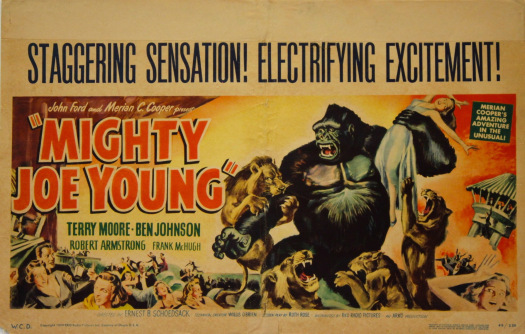
Beautiful Dreamer: MIGHTY JOE YOUNG (RKO 1949)


gary loggins's avatarcracked rear viewer

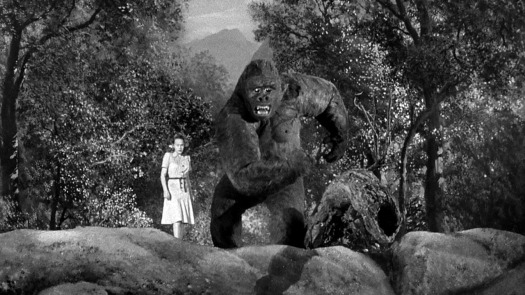
The folks who brought you KING KONG – producer Merian C. Cooper, director Ernest Shoedsack, writer Ruth Rose, animator Willis O’Brien – returned sixteen years later to the giant ape theme with MIGHTY JOE YOUNG, a classic fantasy that can stand on its own. Though the film usually gets lumped into the horror genre, it’s more a fable than a fright fest, a beautifully made flight of fancy for children of all ages, and one of my personal favorites.

In deepest darkest Africa, little Jill Young buys a cute baby gorilla from the natives. Twelve years later, impresario Max O’Hara, along with rodeo wrangler Gregg and his crew, travel to The Dark Continent in search of exotic animal acts for a new show he’s producing, when they come face to face with the now 12 foot tall, 2,000 pound gargantua, affectionately called Joe by a grown Jill. She’s the only…

View original post 677 more words

Confessions of a TV Addict #8: The Amazing Sci-Fi Worlds of Irwin Allen Pt. 1


gary loggins's avatarcracked rear viewer

Irwin Allen  (1916-1991) wore many different hats during his long career: magazine editor, gossip columnist, documentarian, producer, director. He helped usher in the Age of the Disaster Movie with such 70’s hits as THE POSEIDON ADVENTURE and THE TOWERING INFERNO, but before that he was best known as the producer of a quartet of sci-fi series from the Swingin’ 60’s. From 1964 to 1970 he had at least one sci-fi show airing in prime time… during the 1966-67 season, he had three, all complete with cheezy-looking monsters, campy humor, stock footage, guest stars (some on their way up… some down!), special effects by Oscar winner L.B. Abbott, and music by John Williams (who later scored a little thing called STAR WARS )! Here’s a look at the Amazing Sci-Fi Worlds of Irwin Allen:

Allen’s first foray into sci-fi TV was VOYAGE TO THE BOTTOM OF THE SEA (ABC, 1964-68), based…

View original post 699 more words

Adventure of a Lifetime: THE THIEF OF BAGDAD (United Artists 1940) — cracked rear viewer


Alexander Korda’s Arabian Nights fantasy THE THIEF OF BAGDAD has stood the test of time as one of filmdom’s most beloved classics. A remake of Douglas Fairbanks Sr.’s 1924 silent classic, Korda and company added some elements of their own, including Indian teen star Sabu as the title character, and some innovative Special Effects. In […]

via Adventure of a Lifetime: THE THIEF OF BAGDAD (United Artists 1940) — cracked rear viewer

Anime of the Year:2016


I gotta admit, of everyone here, I am definitely the guiding light when it comes to anime.  This doesn’t mean that I watch everything and my word is gospel (Ok, my word is always gospel, because I said so) but I do watch a decent amount of every year’s offerings, in the realm of 1/4 to 1/2 of everything that’s been released (but since there’s been 180 titles released this year alone, and I can manage to watch at the most 20 shows a season if I’m super diligent, which anyone here will admit I’m not) the best I can do is 80 shows.  So it’s always possible that something has fallen through the cracks.  But, I like to believe that I have a good finger on the pulse of things that are good.  Hence, while I’ve long heard the cry for Re:Zerorem-x-ramHonestly, I hated the protagonist to death (anyone that’s watched the show sees what I did there) and I cannot in good faith pick that show as my favorite for the year.  But if not this show, then whom?  Yes, there have been multiple shows that are worthy of a high ranking.

Could I have gone with another highly rated show, Erased?

erasedWell, since I’ve brought it up right now, everyone should know that no, this isn’t my top show.  But, let me say that it was high on my list.  The thing about anime is that shows that appear in the fall and winter seasons tend to be much more highly ranked because they are much more recent in the otaku consciousness.  The fact that a show like Erased, which premiered in the winter of 2016, has managed to keep itself in my otaku brain, speaks volumes for it.  However, as much as I loved this show, it still is not #1 for the year in my expert mind.

Frankly, I could lead you, the viewer, on through many, many more shows, and honestly you’d be better off knowing about them, but really, that’s just not my style.  The last two shows I told you about are ones that I felt everyone reading this blog should experience, whether you’re a fan of anime or not.  Anime fans will have watched all these shows and then some, because that’s what us otaku do.  But for the otaku crowd, who may or may not have been reading this far to see what I think is the creme de la creme, my vote goes, without a doubt, to KonoSuba, or as it’s known in its full name, as Kono Subarashii Sekai ni Shukufuku o!

konosubaSee, the thing about this show is, it has everything that a proper otaku loves, and it knows it.  It’s a complete parody of the whole “Loser otaku gets transported to a fantasy world and manages to kick ass while he’s there” trope, but it still manages to play it off and make it fun.  Totally different from Re:Zero, where the protagonist is flawed, to the point you hate his guts and want him dead.  In KonoSuba, the protagonist is certainly flawed, but in a way that’s completely believable, yet hilarious.  While with Re:Zero, naturally you can look at the situation and agree that, yes, if you or I were put in that situation, we’d likely behave in a very similar way, Konosuba instead says “To hell with realism, isn’t this how you’d want to act?”  And the thing is, the vast majority of us don’t want actual realism in our anime.  We want escapist fantasy.  KonoSuba gives us that in spades.  It’s a total parody of the whole “loser dropped into the fantasy world” premise that so many of us desire, without getting into the more realistic aspects that Re:Zero provides, like the fact that the loser dropped into the fantasy setting will remain a loser.

Again, let me tell you, this list is completely subjective.  If you follow my god-like opinions, then KonoSuba is the obvious choice for Anime of the Year in 2016.  However, if you’re a heretic, and would rather listen to the words that the godless believers would spout, then by all means, check out Re:Zero.  It’s probably better than I plan on listing it, because I cannot stand the kind of protagonist they give us, but maybe you, the readers, have a lot more tolerance than I do.

Curiouser & Curiouser: ALICE IN WONDERLAND (Paramount 1933)


gary loggins's avatarcracked rear viewer

alice1

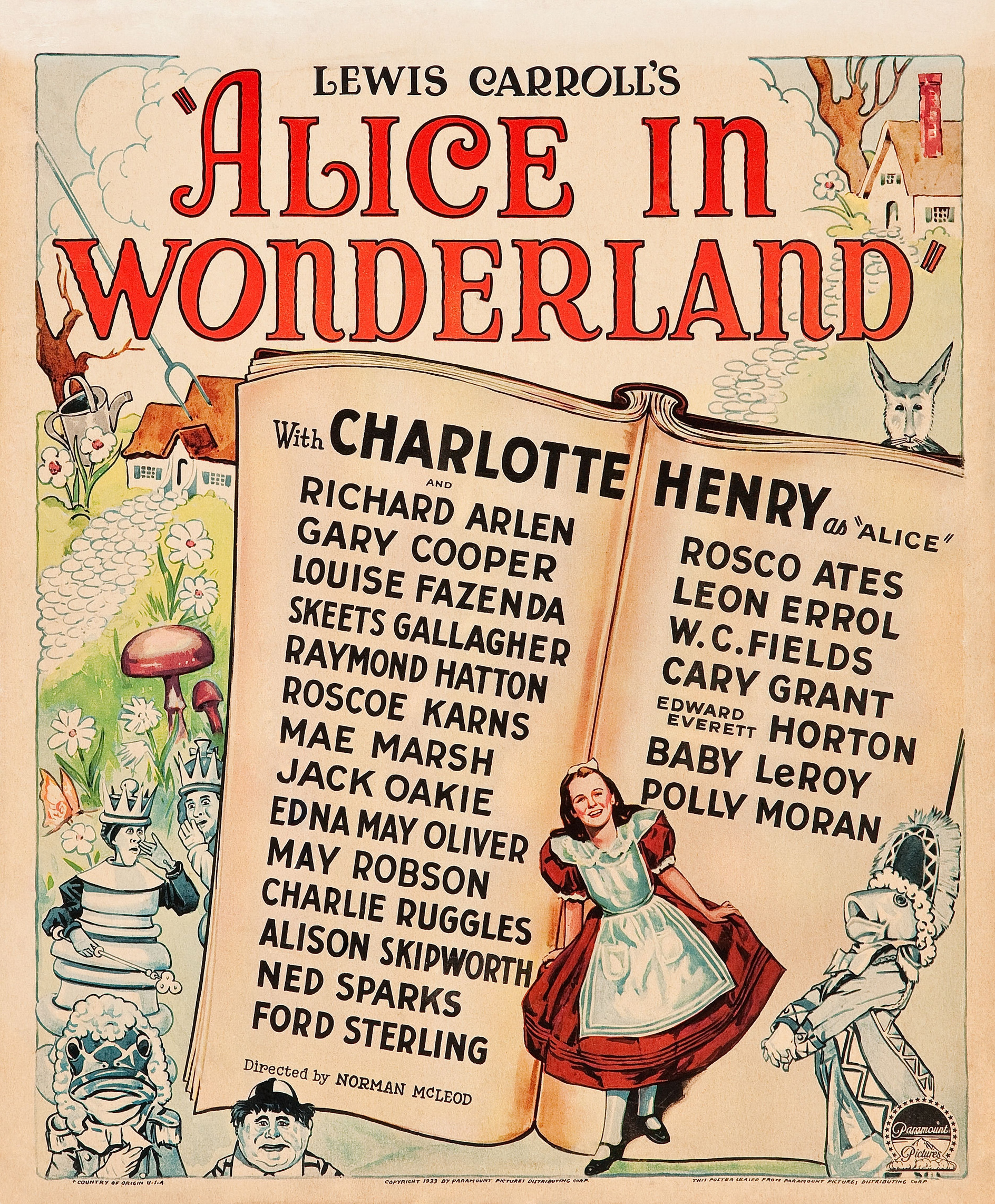
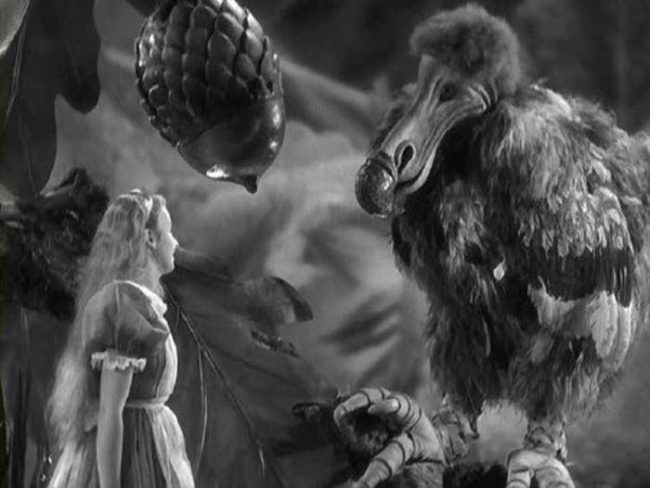
Lewis Carroll’s 1865 children’s classic ALICE IN WONDERLAND was turned into an all-star spectacular by Paramount in 1933. But the stars were mostly unrecognizable under heavy makeup and costumes, turning audiences off and causing the film to bomb at the box office. Seen today, the 1933 ALICE is a trippy visual delight for early movie buffs, thanks in large part to the art direction of William Cameron Menzies.

alice5

Menzies’ designs are truly out there, giving ALICE the surrealistic quality of the books themselves. He actually storyboarded his ideas right into the physical script, earning a co-writer credit along with Joseph L. Mankiewicz . Menzies was the cinematic wizard whose art direction brought the magical 1924 THE THIEF OF BAGDAD to life. He was co-director and special effects designer for 1932’s CHANDU THE MAGICIAN, and the title of Production Designer was invented for him on the classic GONE WITH THE WIND. Menzies also directed a few films; especially of…

View original post 494 more words

Giant Lizards and Fur Bikinis: ONE MILLION YEARS BC (1966)


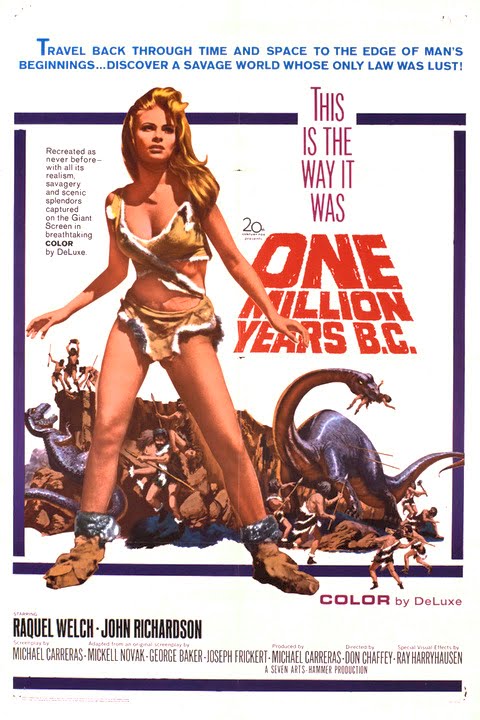
raquelJURRASIC WORLD and its CGI dinosaurs have stomped their way to box office domination this year, raking in over five hundred million dollars (and counting). The youth market just eats up those computer generated special effects. But for my money, you just can’t beat the prehistoric hijinks of Hammer Films’ 1966 ONE MILLION YEARS BC. Two reasons: Ray Harryhausen and Raquel Welch.

Ray Harryhausen (1920-2013) learned the art of stop motion animation from the master, KING KONG’s own Willis O’Brien. After assisting O’Brien on 1949’s MIGHTY JOE YOUNG, he struck out on his own, using his Dynamation process on such sci-fi/fantasy flicks as BEAST FROM 20,000 FATHOMS, IT CAME FROM BENEATH THE SEA, and 7TH VOYAGE OF SINBAD. Later films included VALLEY OF GWANGI, GOLDEN VOYAGE OF SINBAD, and his last, 1981’s CLASH OF THE TITANS.

The second reason is Raquel. Full disclosure: I had a huge crush on Raquel Welch during my adolescence. I had the iconic poster of her in her fur bikini from this movie on my bedroom wall through most of the Seventies. I also had pictures of her from TV GUIDE taped in my locker at school, which got me in hot water with my 6th grade teacher. What a prude! Oh well, it may have been my first time in trouble at school, but it certainly wasn’t the last.

But I digress. Let’s take a trip back to the dawn of time in ONE MILION YEARS BC. There’s a prehistoric tribesman named Tumak (John Richardson) who’s ousted from his people due to a sibling rivalry with brother Sakana. He wanders aimlessly into an unknown world, encountering giant lizards and spiders along the way. Tumak reaches the seashore, where he meets up with a tribe of blonde beauties led by Raquel and her fur bikini. A giant turtle attacks the girls on the beach and Raquel blows her seashell, summoning the blonde males of the tribe. They, along with Tumak, chase the turtle away with their rocks and sticks. The tribe decides to accept Tumak as one of their own.

Which is good for Raquel, because the fur-bikini clad damsel has developed a thing for Tumak. This, however, makes her blonde boyfriend Ahos very jealous. After saving a little girl from a hungry Allosaurus, , Tumak and Ahos duke it out over possession of the victory spear. Tumak gets banished yet again, but this time he’s accompanied by Raquel and her fur bikini.

Across the wasteland we go again, as the couple run into a band of unevolved ape-men, and a battle between a Triceratops and a T-Rex. Tumak and Raquel (and the bikini) are ambushed by Tumak’s old tribe, and Tumak vanquishes Sakana. But a Pterodactyl attacks and carries Raquel off, fur bikini and all! The lovers are separated as the flying terror tries to feed poor Raquel to it’s babies. Eventually, they’re reunited, just in time for a fight between the rival tribes. The battle’s just getting underway when a volcano erupts, spitting lava and causing massive earthquakes.  The villages now all destroyed, the two tribes band together and march toward an uncertain destiny.

ONE MILLION YEARS BC may be pretty goofy, but it does has some bright spots. Harryhausen’s special effects are always a joy to behold, and I’ll still take them over CGI any day of the week. John Richardson makes a sturdy leading man, even with dialogue that mostly consists of grunts and groans. There’s a scene with the lovely Martine Beswick (DR JEKYLL & SISTER HYDE) doing a sort of Jurrasic watsui that’s a highlight. Oh, and did I mention Raquel and her fur bikini…..

Duke Tries A Halloween Marathon…Part One.


So, I think it may be fair to say that of most of the posters on this great site, I am probably the one who least enjoys the horror genre…or at least is never as excited about it as everyone else. It isn’t that I do not like horror films – there are quite a few I really love – but I just expect a lot from them. Probably – unfairly – more than I expect from other films. Why? Because I honestly think that when done right, horror films can be some of the most emotionally affecting films from any genre. But when done wrong – as I think far too many of them are – it just feels cheap and manipulative – and as someone who loves film, who loves how they can generate empathy and tell interesting stories, it always just feels like a slap to the face.

This love/hate relationship usually makes me hesitant to watch most horror films, which of course is an issue come October. This month is wall to wall horror from 12:01AM on the 1st – to midnight on Halloween. With this comes the pressure to watch a ton of horror films, and although in the past I have watched a few, I’ve never taken part in any sort of marathon that so many bloggers partake in this time of year…until now. This is part one – of what I hope will be a month long series – of quick reviews for horror films I watch this month. I hope to watch at least one a day.

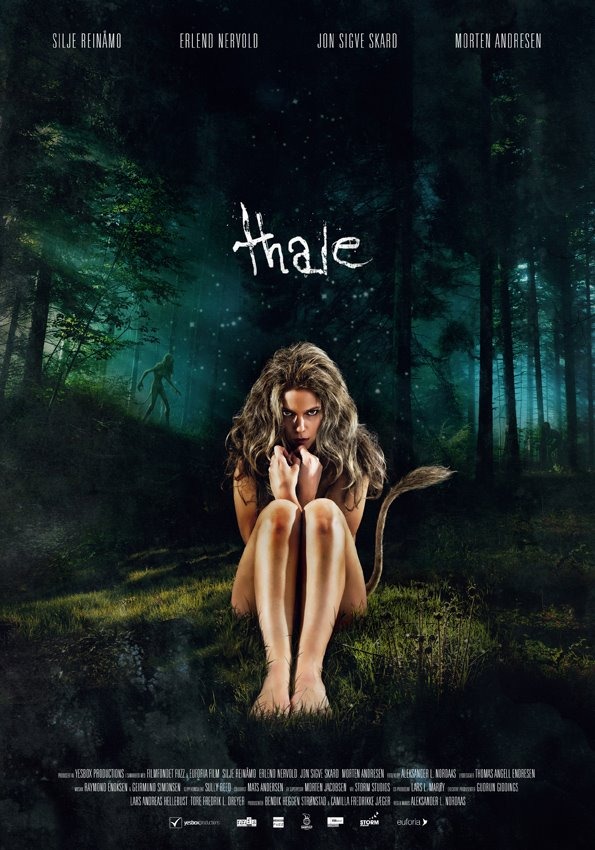
October 1st: ‘Thale’ (dir. Aleksander Nordaas)

tumblr_m490fyx40y1ruxqt3o1_1280

A very low budget Norwegian fantasy/horror film, with a lot of interesting ideas, that sadly doesn’t execute on enough of them to reach any level of greatness…which I think was possible.

‘Thale’ is about two friends, working in a crime scene cleaning service, who stumble upon a hidden basement at one of the locations they have been hired to clean. Within they find a lab of sorts, and a beautiful young woman who is unable to speak – and is most certainly more than she appears to be. The result is a rather unique horror film with fantasy elements; one that thrives on atmosphere for the first hour or so, building a genuine level of suspense and mystery. It is an intriguing story, one that is slow to build but never boring. There is certainly a lot under the surface.

The only real issue I had was that there is narration throughout that tries a bit too hard to add depth to the story, both narratively and thematically, without much success. Mainly because the exposition within would benefit more from a ‘show don’t tell’ approach – and also because the actual narrative comes off as so simple that many of the themes expressed through the narration have nothing to do with what we have actually been shown.

This isn’t too big of an issue really, and I can’t fault it for trying to give more meaning to the story, but had it executed on some of the ideas it alludes to under the surface than maybe this wouldn’t have been an issue at all – especially if it had been a half hour longer, and explored the fantasy element in more detail.

Still, the performances are very good and – given its very low budget – so are the effects and overall production. It certainly has its flaws, but it still warrants a recommendation.

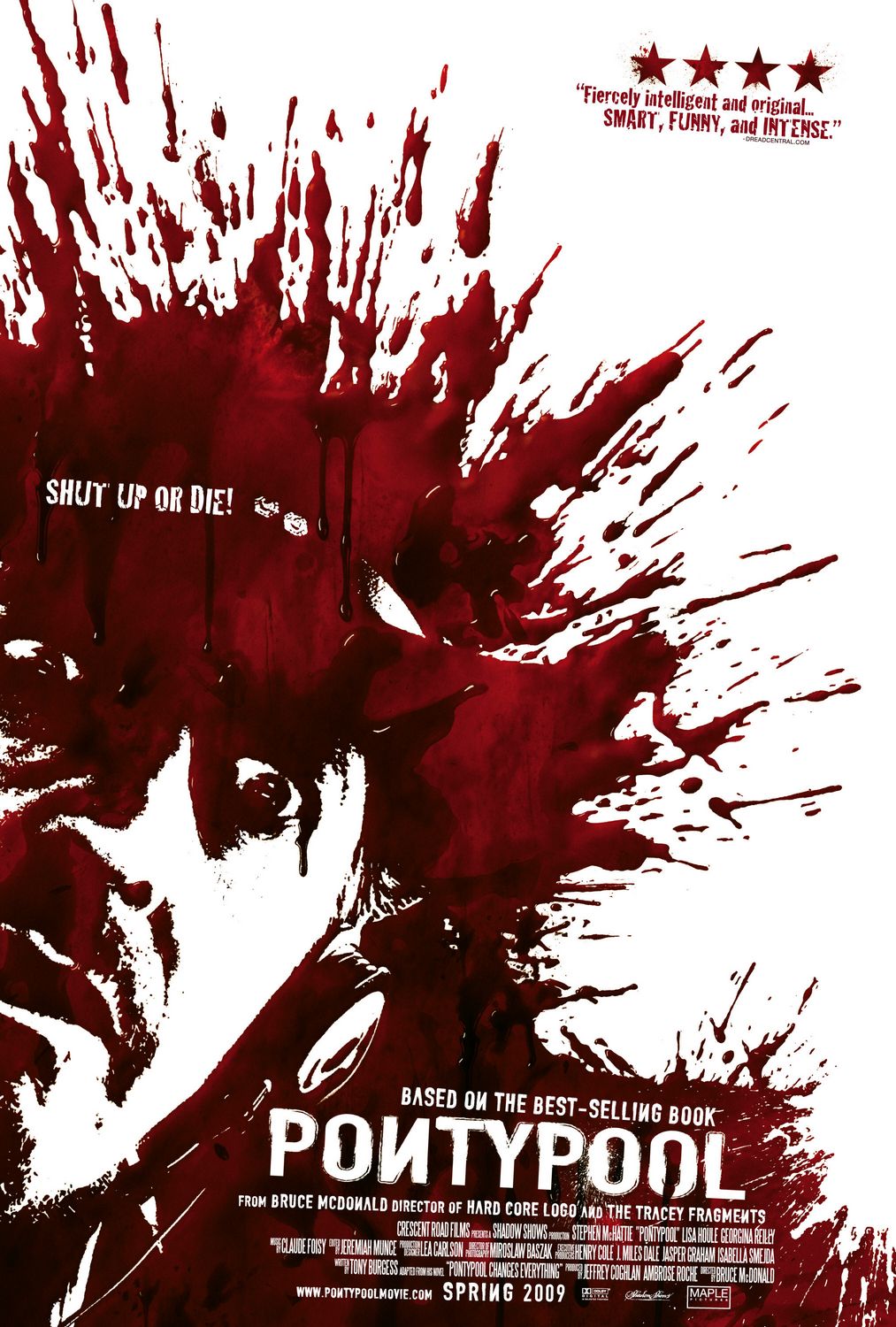
Oct. 2nd: ‘Pontypool’ (dir. Bruce McDonald)

pontypool_xlg

‘Pontypool’ is a mostly lean – though often convoluted – and creative horror film that builds slowly and contains just the right dash of humor. It is at times essentially ‘Welcome to Night Vale’ in film form.

It stars Stephen McHattie as an ex-shock jock who has reached a point in his career where he is stuck doing an early morning radio gig in a small Canadian town. He is quick to try to cause a stir, but his producer reminds him that the listeners just want to know the weather. As the morning slowly passes by the station begins to get weird reports of people, herds of people, swarming the streets. Whats seems to them to initially be a joke begins to turn into a life or death emergency situation where a virus is infecting the town, keeping the workers at the studio locked indoors, trying to figure out how it all started.

This isn’t the scariest horror film you will ever see, neither is it the most suspenseful – yet the development of the story, the unraveling mystery and the urgency of the performances make it an absorbing viewing experience. Things do start to get a little convoluted as we begin to better understand how the “virus” infecting people is being spread. The film seems to be making it up as it goes, and ironically it can’t seem to think of the rights words to explain what is actually happening.

But it does managed to create an interesting subtext on how language has been simplified and diminished by gossip, social websites and the media. It would also probably benefit from multiple viewings. But for now, I recommend you at least watch it once.

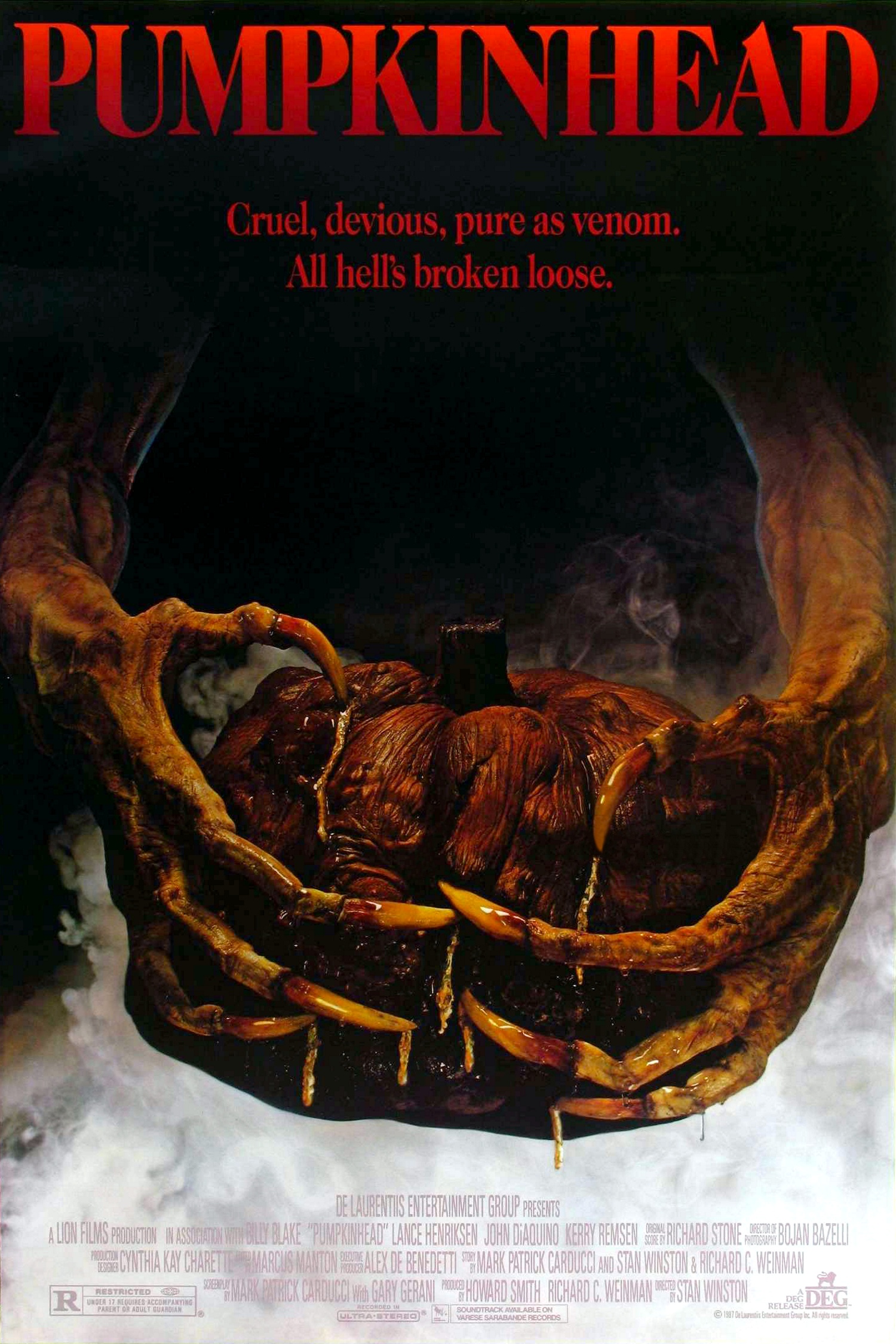
Oct. 3rd: ‘Pumpkinhead’ (dir. Stan Winston)

pumpkinhead-poster

‘Pumpkinhead’ is a creepy, cliche and cheesy as hell horror film about revenge, that manages to overcome all its faults with its brilliant creature design, a great central performance, and an emotional core that gives all the supernatural violence some resonance. The result isn’t a masterpiece – by any stretch – but it is a damn near perfect horror film for Halloween/October – especially with its eerie supernatural aesthetics.

The film stars Lance Henriksen as Ed Harley, a single father raising his son on a farm in the south. One day a group of teens (including a few blondes and a douchey “bad boy”) arrive in town. Their destination? A cabin in the woods…of course. On their way they encounter Harley at a local store he owns, which accidentally results in his son being killed by one of the teens in a dirt bike accident. The group heads for the cabin, fearing the repercussions, while Harley tracks down a creepy old lady who, according to local legend, can summon a demon-like creature to avenge the wrong doing done to a man.

From there we get a rather unoriginal creature feature – as the demon, called Pumpkinhead, hunts down the group of teens one by one. What kept this interesting, for me, was the structure of the events of the film and the development of Henriksen’s character. Henriksen is a great actor, and the bond that is built between him and his son, and the emotions he displays as he struggles with his son’s death and the revenge he seeks, manages to ground the film and gives it enough of an emotional relevancy to excuse the cheesiness of the supernatural horror elements – and some truly shitty dialogue.

On top of that are the great spooky horror aesthetics and atmosphere – moody lighting, fog…pumpkins – as well as the awesome design of the Pumpkinhead by special effects legend Stan Winston (‘Aliens’, ‘Terminator’) – who actually directed the film. It all adds up to an above average horror flick that I recommend everyone watch this October.

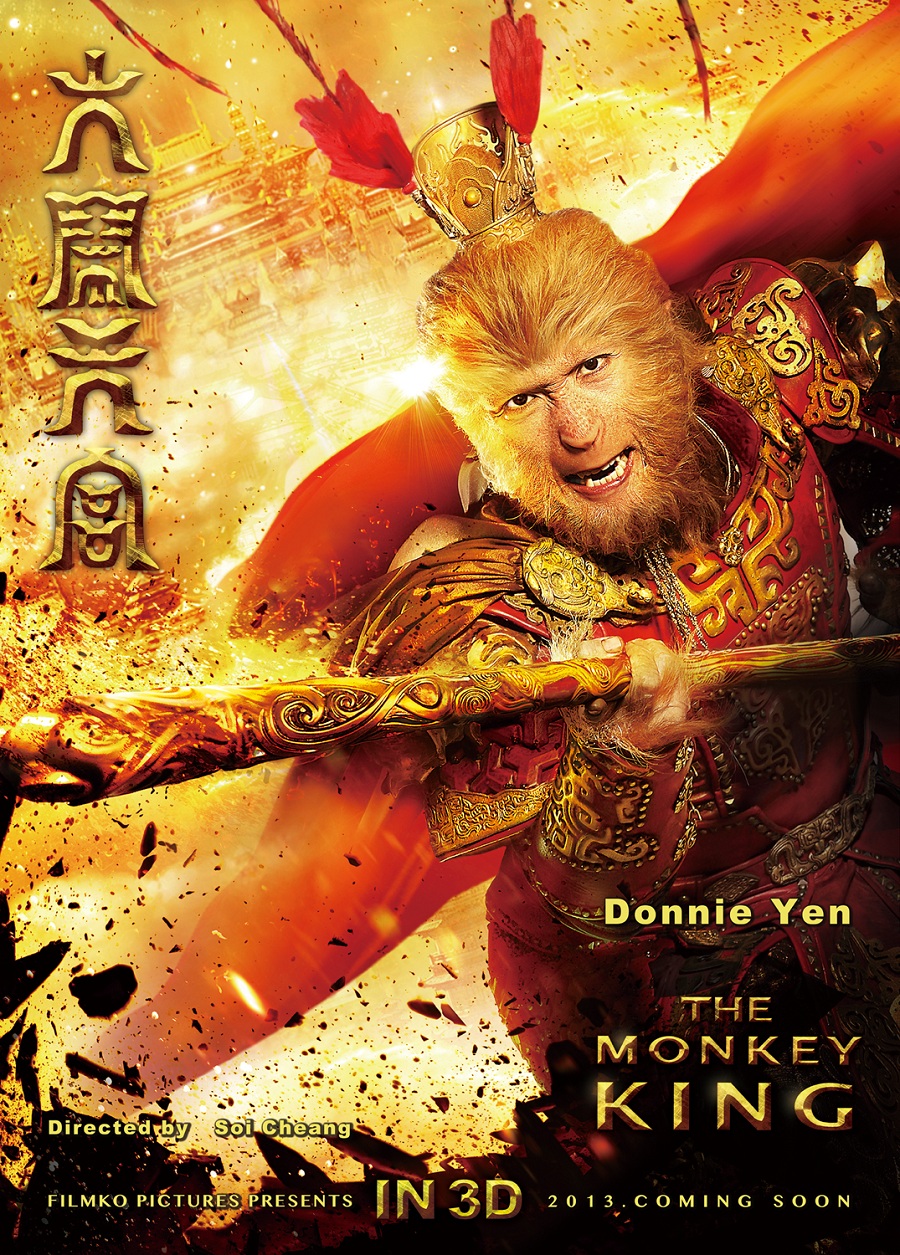
Trailer: The Monkey King


The-Monkey-King-2013-Movie-Poster

One of my guilty pleasure films of the past 20 years was this little martial fantasy flick called Storm Riders. I think most everyone of my generation who heard about it ended up seeking it out.

I have a feeling the same thing will happen for this latest generation when they hear whispers and ever-growing tales of Donnie Yen’s The Monkey King. It has Yen in heavy make-up to look ike The Monkey King from the classic Chinese novel Journey to the West. It has Chow Yun-Fat as the Jade Emperor. What else does one need. Plus, it’s in IMAX 3D!

The Monkey King has been given a September 14, 2014 release date for North America

Ten Years #26: Summoning


Decade of last.fm scrobbling countdown:
26. Summoning (1,154 plays)
Top track (86 plays): Menegroth, from Oath Bound (2006)
Featured track: Ashen Cold, from Let Mortal Heroes Sing Your Fame (2001)

Blind Guardian’s Nightfall in Middle-Earth might be the most inspired musical retelling of any of J.R.R. Tolkien’s works to date, but no band has crafted an atmospheric sound to capture that world quite so convincingly as Summoning. With a sound that would just as soon excite fans of video game music or “new age” artists like David Arkenstone as their orginal black metal fan base, Summoning have forged a truly unique musical path. While their first studio album, Lugburz (1995), was relatively standard for the synth-laden black metal of its day, they nearly finalized the sound that made them famous on Minas Morgul, released later that same year. Since then, the only perceptible change has been a slow decline in the use of tremolo guitar; the quality of the songwriting and the imaginative world it invokes has remained pretty consistently superb.

For me at least, Summoning and Tolkien’s fantasy world have become nearly inseparable. The echoing, tribal drums paint vast landscapes cast dark by distorted vocals and guitar. The synth speckles the scene in a light that, never breaching the world of full orchestration, retains a fantasy aspect through its unnatural sound. The lyrics enliven the music with the spirit of an epic tale–whether it be the dramatic narrated loop on on “South Away”–“By the crowns of the seven kings and the rods of the five wizards!”–the water god Ulmo’s bold proclamations on “Farewell”–Who can tell you the age of the moon? But I can! Who can call the fish from the depths of the sea? Yes, I can! Who can change the shapes of the hills and the headlands? I can!–or the spirit of perseverance on the track here featured–“Though his body is not tall and his courage seems small, his fame will take long to fade.”

Tolkien’s greatest achievement was to craft a fantasy world so vast that imaginative minds ever since have managed to forge a place within it. Summoning have done so with a level of excellence nearly unrivaled, and they continue to today. There might have been a seven year gap between Oath Bound (2006) and Old Mornings Dawn (2013), but their new release is in every way on par with the rest. It’s a bit of a wonder that they’re only ranked 26th on my decade-spanning last.fm charts. I suspect that, another ten years from now, they’ll be much nearer the top, because their music takes me to a place that is eternal.