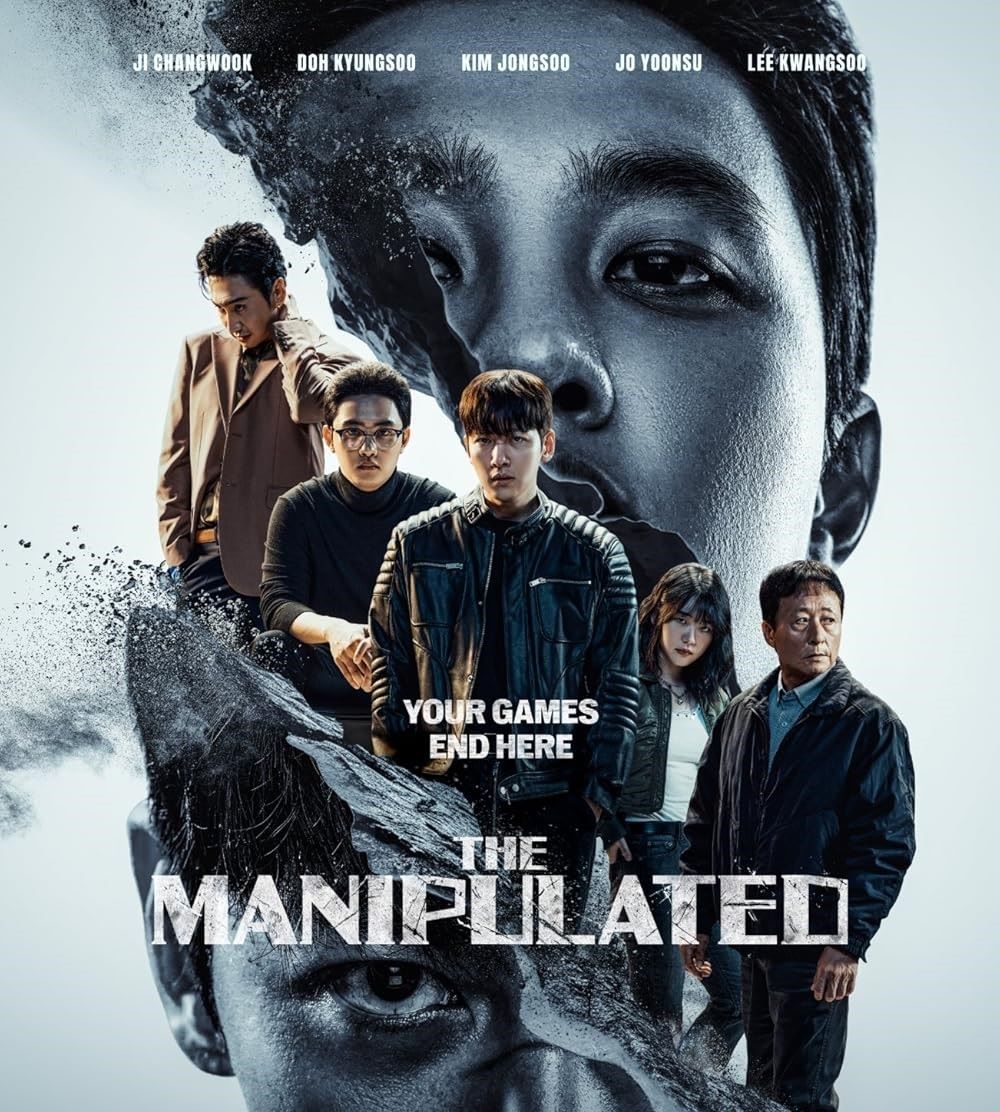
“Truth is whatever I say it is. You can scream innocence all you want, but in my world, your words are just noise.” — An Yo-han
The Manipulated is a Korean revenge thriller that successfully combines familiar genre elements with a fresh sense of intensity and emotional depth, making it a standout in the crowded field of dark legal dramas. The series centers on Park Tae-jung (played by Ji Chang-wook), a seemingly ordinary delivery driver whose life is shattered when he is wrongfully accused and framed for a horrific crime. Overnight, he transitions from a hardworking, everyday man to a desperate prisoner, and eventually, to a determined figure plotting revenge against those who manipulated his fate—most notably, the cold, calculating antagonist An Yo-han (Do Kyung-soo). The show delivers a layered narrative that explores not just personal vengeance but the broader ramifications of power, control, and corruption within societal institutions.
The heart of the story revolves around the idea of manipulation itself—who pulls the strings, who is controlled, and what lengths are necessary to reclaim agency when everything has been taken away. Tae-jung is depicted as a relatable character: a caring older brother, a man running a humble flower café, and someone leading an ordinary life with steady relationships. The show effectively uses this normalcy to heighten the emotional impact when his world falls apart. The transformation from this everyday existence to being cast into the brutal prison environment is stark and compelling. It’s not subtle, but this unrelenting descent works well to justify the fierce anger and resolve that Tae-jung ultimately channels toward his quest for justice. For viewers who appreciate stories where an underdog is pushed to their limits and beyond, this setup resonates and provides an accessible entry point.
The series’ portrayal of prison life is integral to its gripping atmosphere. Tae-jung’s time behind bars is fraught with constant threats, both physical and psychological. The squalid environment where gang hierarchies dominate adds a layer of tension and realism. The prison gang leader, Deok-su, represents the harsh realities of this closed world, embodying a constant source of danger and oppression for Tae-jung. This portrayal forces the protagonist to quickly learn the unspoken rules of survival. Alongside the violence, the show introduces layered secondary characters such as Kim Sang-rak, Tae-jung’s public defender, and volunteer No Yong-sik, which deepens the emotional dimension of the story. These figures help flesh out the narrative, showing the human cost behind the legal system’s failures and the recurring motif of false accusations beyond just the main plotline.
What sets The Manipulated apart is the growing psychological duel between Tae-jung and the enigmatic antagonist An Yo-han. The series takes its time introducing Yo-han—creating an anticipation that pays off as the character’s cold, detached cruelty reveals itself. Do Kyung-soo brings a chilling, almost theatrical presence to the role, portraying Yo-han as masterful in manipulation and strategic cruelty. His actions throughout the series reflect a bored yet brutal puppeteer’s mindset, someone who views others’ lives as mere pawns in a twisted game. This stark contrast with Tae-jung’s raw, increasingly calculated rage adds a heavy psychological layer to the narrative, enriching what might otherwise have been a more straightforward revenge story.
The Manipulated manages pacing impressively well. The tension is maintained through effective plot twists and steadily unfolding backstory without excessive filler or drawn-out sequences. While some plot elements do follow recognizable thriller tropes—such as coincidental rescues or dramatic last-minute revelations—the show executes them with enough style and emotional weight to prevent these from feeling clichéd. Instead, the narrative leans into moral ambiguity rather than offering a simplistic “hero gets revenge” conclusion. This adds complexity and invites viewers to question the true cost of revenge and justice in a corrupt system.
Visually and technically, the series is polished and cohesive. The direction uses tight framing and muted colors to underscore the claustrophobia and hopelessness Tae-jung experiences, both inside prison walls and within the wider society controlled by manipulative elites. Cinematography favors shadows and long corridor shots, mirroring the themes of entrapment and surveillance woven through the plot. The editing is sharp and intelligent, with effective use of flashbacks and visual clues to assist storytelling without losing narrative momentum. Complementing this is a subtle but atmospheric sound design, featuring a restrained score that amplifies suspense without overstepping into melodrama. Additionally, the quiet moments stripped of music—such as tense interrogations or confrontations—allow the powerful performances to carry emotional weight.
As the series progresses, it becomes clear that The Manipulated attempts to comment on deeper societal issues. It highlights the fragility of truth and the ways in which legal and political institutions can be systematically weaponized to protect the powerful while crushing the vulnerable. The manipulation extends beyond a single framed protagonist to suggest a broader pattern of societal decay and complicity. However, compared to a show like Squid Game, which powerfully and provocatively portrayed the rich and powerful as architecting deadly games to maintain control and stay above the law, The Manipulated’s treatment of these issues feels less nuanced and less impactful. Squid Game uses vivid symbolism, sharp social critique, and a global cultural resonance to expose how elites manipulate systems to preserve their power, whereas The Manipulated deals with similar themes in a more subdued and conventional manner, making its social commentary less striking and memorable.
However, the show is not without its flaws. Despite solid performances and sharp writing for the lead characters, some secondary roles feel underdeveloped. The wider cast representing institutional forces and corrupt entities often serve more as plot devices than fully realized individuals. A deeper exploration of these characters’ motivations would have enriched the story’s critique of systemic injustice and added emotional heft. Additionally, certain plot coincidences and rapid character shifts—while not uncommon in the genre—sometimes strain credibility, potentially pulling viewers out of the experience. These issues are minor but noticeable, especially in a series that otherwise invests heavily in creating a believable psychological and social landscape.
The completed season also confirms the show’s willingness to embrace a darker tone, with unflinching depictions of violence, mental torment, and systemic abuse. This brutal realism distinguishes The Manipulated from softer or more melodramatic legal dramas, catering to viewers who appreciate gritty and hard-edged storytelling. At the same time, this can be emotionally demanding, with some sequences feeling excessively harsh, particularly when multiple intense scenes are stacked together without relief. This makes the series less accessible for viewers sensitive to graphic content or those preferring more hopeful narratives.
The performances of Ji Chang-wook and Do Kyung-soo are central to the show’s success. Ji brings charisma and intense emotional range to Tae-jung, portraying his shift from vulnerable victim to ruthlessly driven avenger with nuance and depth. His portrayal steers clear of caricature, allowing audiences to empathize with Tae-jung’s pain and determination. Do Kyung-soo’s portrayal of Yo-han is equally compelling, embodying the detached menace and intricate mind games of a master manipulator. Their dynamic elevates the series, creating a tense, compelling interplay that holds viewers’ attention even through moments anchored in procedural details or legal maneuvering.
The Manipulated is a strong addition to the landscape of Korean crime thrillers, marked by solid performances, sharp production, and a thematically rich narrative. It successfully balances the emotional core of its protagonist’s journey with a wider critique of institutional corruption and manipulation, providing more than just surface thrills. While it plays safely within the revenge thriller template and occasionally leans on genre conventions, it executes these elements with enough skill and emotional intelligence to maintain engagement across its full season. However, while it raises potent societal questions, its critique of how the rich and powerful manipulate the world around them to stay above the law is less impactful and vivid than the powerful, globally resonant portrayal found in Squid Game. Fans of dark, intense psychological dramas with complex characters will find much to appreciate here. Be prepared for a brutal, sometimes exhausting ride into the gritty realities of power and vengeance—but one that delivers a satisfying and thought-provoking experience in return. This series is highly recommended for those who enjoy charged atmospheres, moral ambiguity, and slow-burning tension wrapped in polished storytelling.
 Through the Shattered Lens