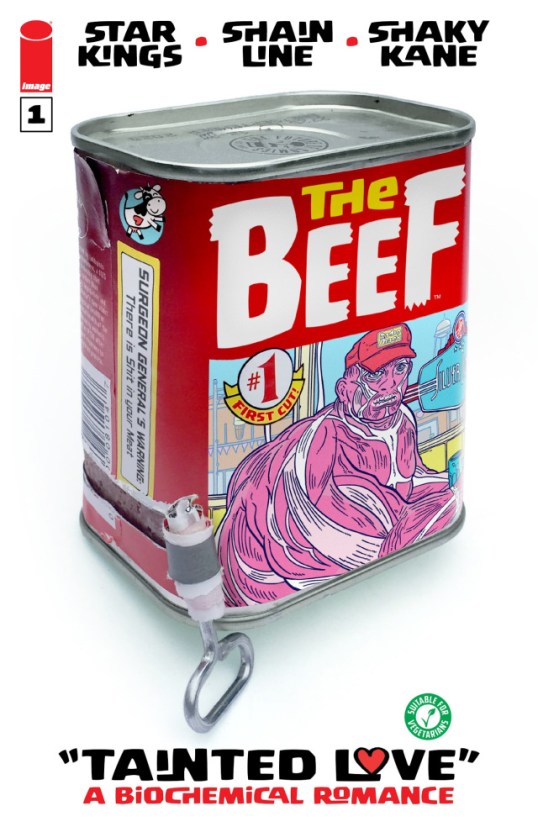
Editor’s Note : I first became aware of Tom Shapira a few years back when his book Curing The Postmodern Blues : Reading Grant Morrison And Chris Weston’s The Filth In The 21st Century was released by Sequart. I’ve followed hi “byline” around the internet since, so when he contacted me out of the blue inquiring about whether or not I’d be interested in running this thoughtful piece on The Beef #1, I jumped at the chance. Read on and I’m sure you’ll agree that he absolutely nailed what makes this comic so absolutely relevant, yet utterly unique and deliriously bizarre at the same time.
And while we’re at it, if any other critics want to “get in on the act” around here, so to speak, please don’t hesitate to get in touch.
I dunno why I don’t do this more often with these Weekly Reading Round-Ups — well, actually, now that I think about it, I do: there have just been way too goddamn many first issues to talk about lately — but I figured this week I’d check in on the relative creative health of a handful of series that I’ve talked up previously and see if I feel as generously pre-disposed toward them today as I did when they came charging out of the gate —
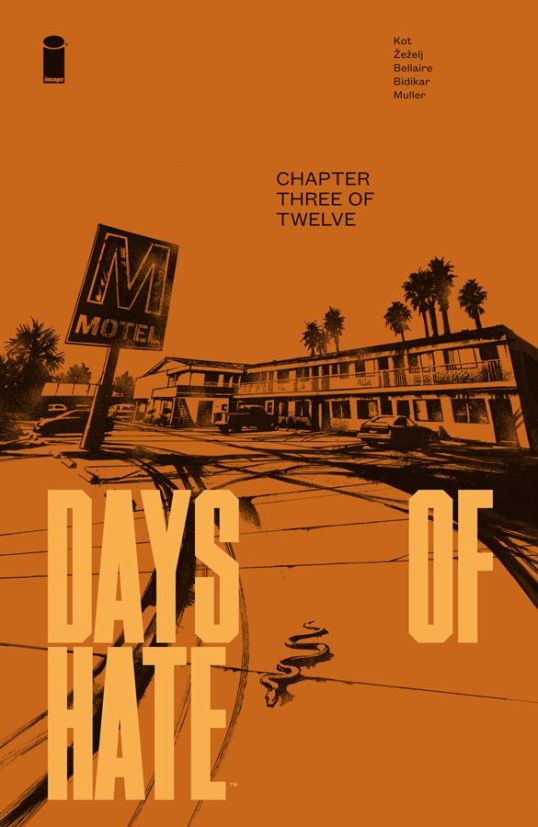
Ales Kot and Danijel Zezelj just released the third issue of their 12-part Image series Days Of Hate, and while I desperately want to still like where this thing is going given its timeliness, topicality, and superb art, I find the book hitting the same stumbling block that too many Kot-scripted titles tend to, namely : his story is becoming subsumed under the…
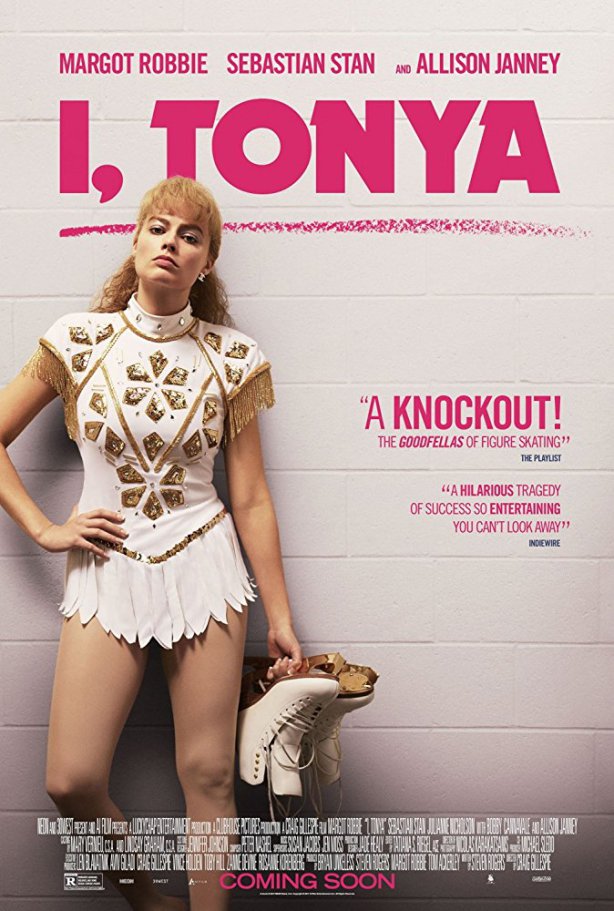
A fair number of the films nominated for one or more of the just-awarded Oscars for this past year have begun to pop up on our local cable system for the pretty-damn-reasonable rental rate of $5.99, so now is a good time for folks like me, who didn’t make it out to the theater nearly as much as we’d have liked over the past 12 months (or thereabouts), to catch up on the stuff everyone’s been talking about — and in the category of celebrated acting specifically, they don’t come much more-talked-about than director Craig Gillespie’s biopic of notorious-but-perhaps-misunderstood figure skater Tonya Harding, I, Tonya. Allison Janney went home with the Academy Award for best supporting actress for her turn as the one-time-phenom’s mother, LaVona, and Margot Robbie received rave notices for her take on the film’s troubled protagonist, so what the hell? On a low-key weeknight, have you got…
Debut graphic novels are a tricky thing : publishers are going out on a limb by backing untested — and in most cases still-developing — talent, while said “talent” is often eager, perhaps even feels pressured, to make some kind of “statement” with their work in order to elevate it above its veritable army of competitors. Attention is a hard thing to come by in the crowded comics marketplace, and whatever you’ve gotta do to get it can almost be forgiven —at least on a logical, if not an artistic, level.
With all that in mind, then, cartoonist T.J. Kirsch is to be commended for eschewing the urge to make a big splash and instead telling a quiet, honest, heartfelt, and decidedly “non-flashy” story with his first book-length work, 2017’s NBM-published Pride Of The Decent Man. Clocking in at a lean 92 pages, a good many of which…
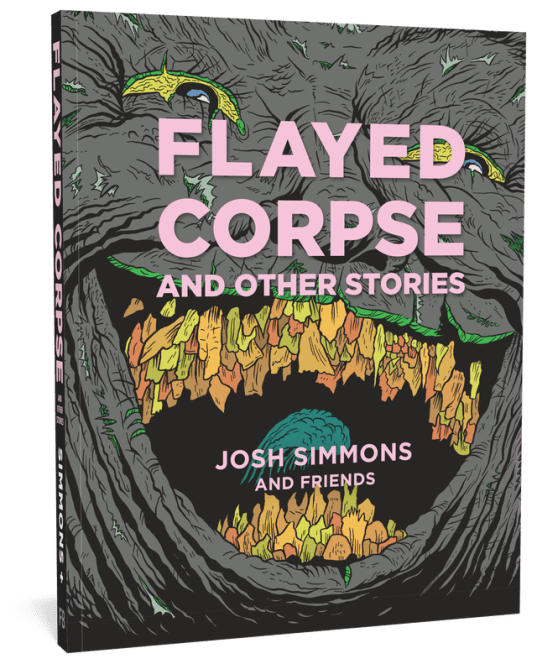
In most fields of entertainment and/or artistic expression (the two only seem mutually exclusive, they needn’t necessarily be), there is usually at least one generally-acknowledged “Master of Horror,” if not several : literature has Stephen King; cinema has John Carpenter remaining out of the one-time Carpenter/Craven/Romero “trinity,” with plenty of others ready and waiting to assume up the mantle; television has Robert Kirkman (hey, I didn’t say I liked all these folks); mainstream comics still clings to the acclaimed works of “British Invaders” Alan Moore, Neil Gaiman, and Jamie Delano, as well as to the legendary EC and Warren creators. Purportedly “alternative” or “independent” comics, though? Not so much.
Certainly the first wave of underground comix saw plenty of cartoonists who were very much at home delineating the horrific : Greg Irons, Jack Jackson, Spain Rodriguez, S. Clay Wilson and all produced memorable horror-themed works — heck, even a young…
Last week was all about first issues, but this week sees a mix of debuts and very notable finales —
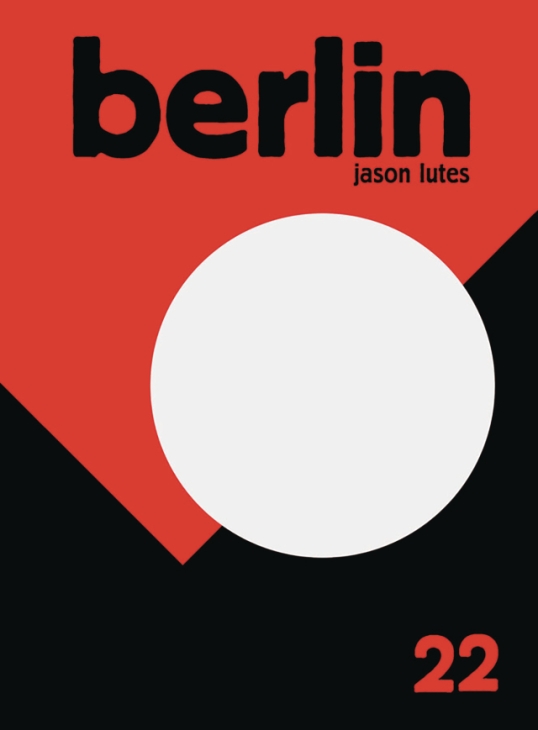
Berlin #22 concludes Jason Lutes’ 20-year epic, and I think it’s going to take awhile for those of us who have been following this series from the beginning to fully comprehend the quietly gaping hole its absence will leave in our lives. This comic has spanned two publishers (Black Eye — remember them? — and Drawn + Quarterly), three decades, even two centuries, and the idea that it’s over is really only just beginning to sink in. You’d expect a suitably poignant finale, of course, and Lutes delivers : the final fates of all our principal characters during the waning days of the Weimar Republic are revealed — Silvia, David, Marthe, Kurt, Anna, we have loved you all — but more than that we are given a privileged glimpse…
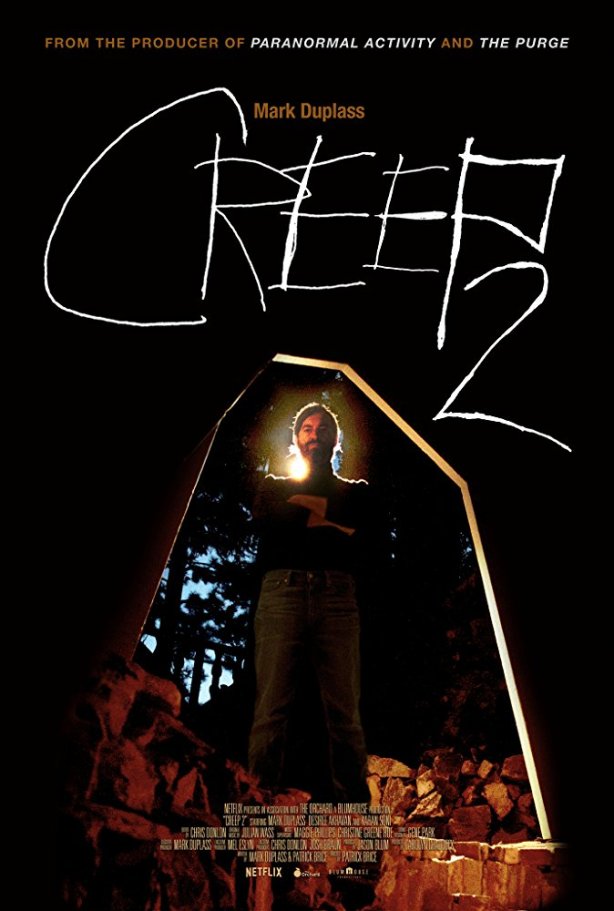
Everyone from casual horror fans to hard-core “found footage” aficionados was sufficiently impressed with co-writer/co-star/director and co-writer/co-star Mark Duplass’ 2014 indie horror effort Creep — this armchair critic included — to form a sort of impromptu “whisper campaign” in its favor that saw it end up punching well above its weight class and really leaving a strong and distinct mark among the always-bulging throng of low-budget horror offerings overpopulating the various streaming services we’ve all come to rely on to meet our entertainment “needs” on a monthly basis. It became, in short, a nice little success story. But I’m not sure that anyone — even, and perhaps especially, Brice and Duplass themselves — figured that an honest-to-God sequel would ever be in the offing. And yet here we are, three (okay, closer to four now) years later, and Creep 2 is upon us — backed by Netflix and Blumhouse financing…
Unless we’re dealing with a story like The Lord of the Rings, where the second film is just a placeholder for the more epic finale, a sequel usually comes with a great deal of responsibility. It has to be larger in scope, with more of everything. If we’re lucky, the audience will be fully invested in the story arc as we watch our favorite characters return to face greater challenges.
Or sometimes, a sequel just needs more of what worked for the first film.
Deadpool 2 ups the ante, building on 2016’s promise to include Cable (played by Josh Brolin, doing a lot of work for Marvel these days), more gunfire, swordfights and explosions. Ryan Reynolds returns as our favorite Merc with a Mouth, with a new trailer free of unfinished special effects. If the first movie made DMX’s “X Gonna Give It To Ya” or Salt ‘N’ Pepa’s “Whatta Man” its theme songs, this new trailer will do the same for LL Cool J’s classic “Mama Said Knock You Out”. YouTube is already chock full of “Deadpool 2 brought me here.” comments for the song.
Reynolds and Company know what they’re doing.
This time around, it appears that Deadpool has to protect a child (much like Logan) pursued by the time travelling mutant Cable. Though we don’t know the reasons behind this, we see Deadpool is forced to create a fighting team of his very own in X-Force. I can imagine Deadpool’s creator, Rob Liefield, is definitely proud of seeing his characters from the 1991 comic series finally brought on to the big screen.
In addition to Brolin, Deadpool 2 adds Atlanta’s Zazie Beetz as Domino. Most of the cast from the first film are back – Morena Baccarin (Vanessa), TJ Miller (Weasel), Leslie Uggams (Blind Al), Brianna Hildebrand (Negasonic Teenage Warhead), and even Karan Soni (Dopinder, who I hope has progressed in his relationship with his love interest, Gita).
David Leitch (John Wick, Atomic Blonde) takes over the directing duties from Tim Miller. I’m personally excited for that, having enjoyed his previous films. This should give the movie a different feel from the original.
Deadpool 2 premieres in cinemas on May 18th, 2018, giving audiences enough time to come off of their Avengers: Infinity War highs and enjoy.
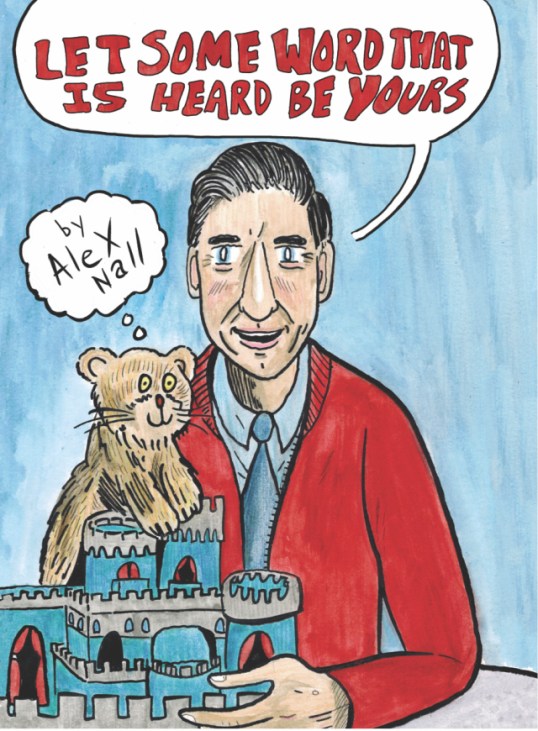
The day that I write this review, March 20th, 2018, marks the 90th anniversary of the birth of one of the kindest, most sincere, most genuinely good people this country — perhaps even this world — has ever produced. A man for whom the words “legend” and “icon” are, somehow, too small — even though he would no doubt balk at being referred to as either. A man with more genuine compassion and love in his heart than perhaps anyone we’ll ever see in the public sphere again. A man who cared for every child on the planet as if they were his own and who makes me want to believe that there really is a heaven for his soul to have ascended to after his death. I’m speaking, of course, of the singularly brilliant, compassionate, kind, and frankly beautiful (in the truest sense of the word) Fred Rogers, creator…
Was it just me, or did this past week seem particularly loaded with debut issues? I mean, I know Image has at least one new number one every Wednesday, but lately it seems like everybody’s getting in on the act. Here are the four that I read since last we met here —
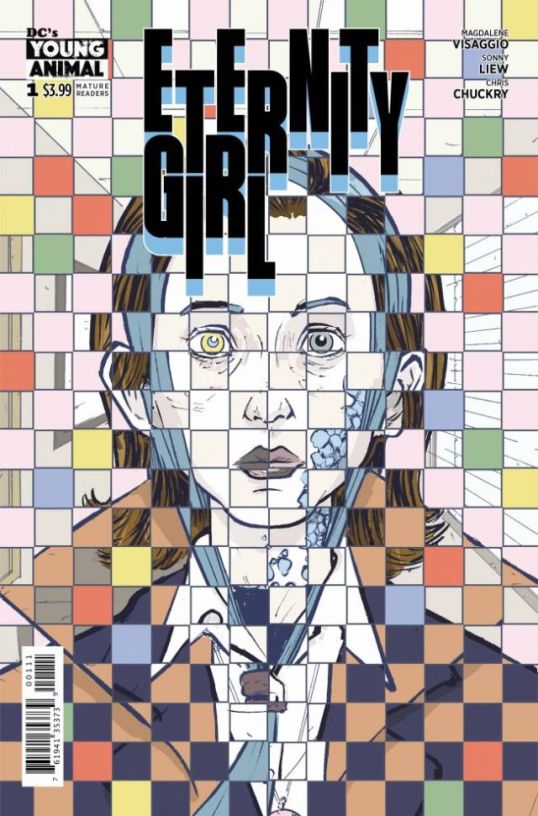
Eternity Girl #1 is the latest from DC’s Young Animal “pop-up imprint” (whatever the fuck that even means), and anything drawn by Sonny Liew is something I’m gonna buy. Truth be told, I really can’t believe that the cartooning genius behind The Art Of Charlie Chan Hock Chye is even doing a monthly book for one of the “Big Two” publishers — but I’m doubly dumbfounded by the fact that he’s not writing it, as well, since (let’s be honest) you’re not gonna pair him with anybody who’s better at the art of scripting than he is…


 Through the Shattered Lens