Some people just get it and some people don’t.
Category Archives: Scenes I Love
Scenes That I Love: The Courtroom Scene From A Few Good Men
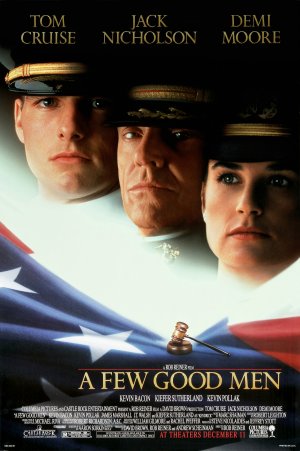
For today’s scene that I love, I decided to pick from the only Rob Reiner-directed film to be nominated for Best Picture of the Year, 1992’s A Few Good Men.
This scene features great work from two legitimate film stars, Tom Cruise and Jack Nicholson. It’s also the type of potentially stagey scene that would have proved problematic for a lot of other directors. Rob Reiner, however, handled it perfectly.
Scene That I Love: The Football Fight from Flash Gordon
That #FridayNightFlix conversation about Flash Gordon really reminded me of how much I love that film. It’s hard for me to pick just one scene that I love but today, I’ve decided to go with the football scene.
In this scene, Flash earns the title of savior of the universe. Or, at least he does until Zarkov accidentally knocks him out. Between the Queen soundterack, Melody Anderson chanting, Ornella Muti vamping, Brian Blessed mugging, and Max Von Sydow doing his thing, this is a true scene that I love!
Scene That I Love: Mr. Pink On Tipping (from Reservior Dogs)
Happy birthday, Steve Buscemi!
In today’s scene of the day, from 1992’s Reservoir Dogs, Mr. Pink explains why he doesn’t tip. Only Steve Buscemi could make a non-tipper named Mr. Pink into the film’s most likable character.
Holidays Scenes I Love: Santa Sits On A Throne Of Lies in Elf
This is one of my favorite scenes from one of my favorite Christmas stories.
“You sit on a throne of lies!”
Scenes That I Love: Betsy Palmer in Friday the 13th
Today would have been the 99th birthday of actress Betsy Palmer.
Though Palmer started her acting career in 1951 and was a regular on television, she will always be best known for playing Mrs. Voorhees in 1980’s Friday the 13th. It’s a role that she took, in her own words, because she needed $10,000 to buy a new car. At the time that the film was first released, Palmer did not particularly care for the film but she also definitely also gave the best performance. It’s impossible to imagine that the film would have been as much of a success without her. The scene where she speaks in the voice of Jason inspired Harry Manfredini’s iconic score. Palmer eventually came to embrace her status of being a horror icon.
Today’s scene of the day comes from Friday the 13th. Here is Betsy Palmer as Mrs. Voorhees, an old friend of the Christys.
Hong Kong Cinema Classics from Director John Woo coming to Theaters in 2026!
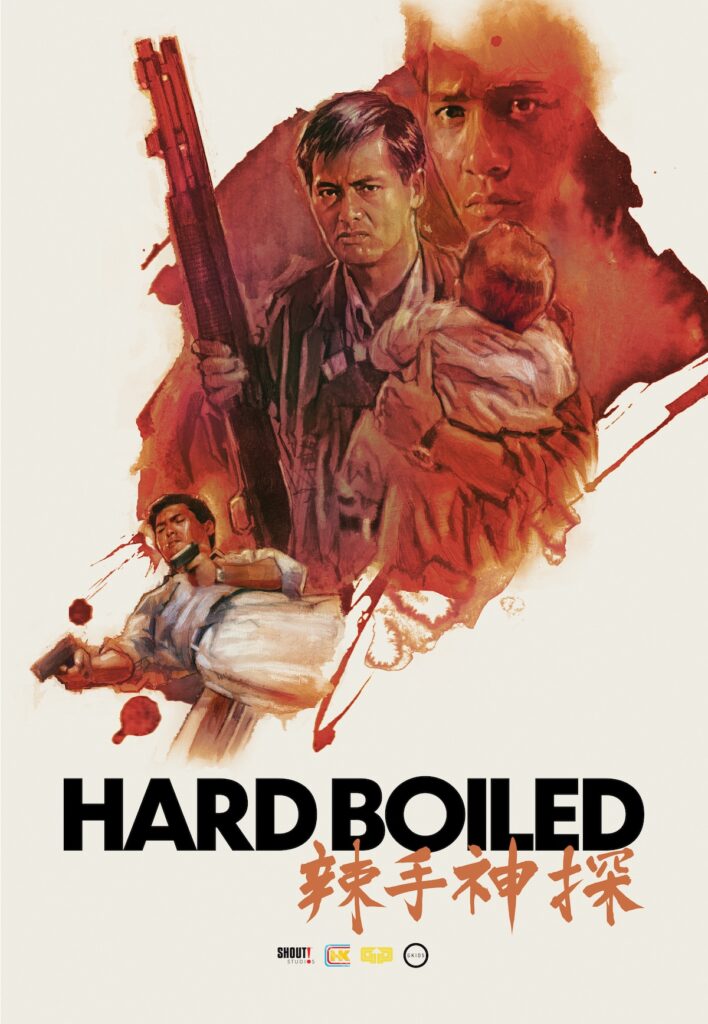
I just got an e-mail today from “Shout Studios!” that makes me very happy! In 2026, the John Woo / Chow Yun-Fat classics HARD BOILED (1992), A BETTER TOMORROW (1986), and THE KILLER (1989) will be getting extremely limited theatrical releases. If you love these movies as much as I do, or if you want to see some of the greatest action films of all time, I just want to make sure my readers are aware of this incredible opportunity. You can buy your tickets now, and I’ve checked and they’re even playing in Little Rock, Arkansas, so I know they’ll be playing all over the country. The schedule is as follows:
- HARD BOILED – January 25th, 26th and 28th
- A BETTER TOMORROW – March 1st, 2nd, and 4th
- THE KILLER – April 5th, 6th, and 8th
These may be being released during tax season, but I usually take Sundays off and each of these limited windows include a Sunday. YAY!! This is finally my chance to see these iconic films on the big screen! I hope some of you will plan to watch them as well! To whet your appetite, enjoy this incredible action sequence from THE KILLER!
Holidays Scenes That I Love: Charlie Brown Picks Out A Christmas Tree in A Charlie Brown Christmas
I was eight when I first saw this and I immediately asked my parents if we could trade our big Christmas tree for a small one that just needed some extra care.
Happy Birthday in cinema heaven to John Cassavetes!
Actor/writer/director John Cassavetes was born on this day in 1929. While he had an amazing career, I first saw him in his Oscar nominated performance as doomed military convict Victor Franko in THE DIRTY DOZEN. In celebration of what would have been his 96th birthday, enjoy this scene from Director Robert Aldrich’s classic World War II film! All I can say is, if you’re going to get your ass kicked in a movie, you might as well get it kicked by Charles Bronson, Jim Brown and Clint Walker!
Scenes that I Love: Kirk Douglas in Paths of Glory
Today’s scene that I love comes from 1957’s Paths of Glory. In this scene, Colonel Dax (Kirk Douglas) fights a losing battle to save the lives of three soldiers who have been accused of cowardice after refusing to take part in a suicidal attack during World War I.
Douglas not only starred in this film but his also production company also helped to finance it. The film was co-written and directed by Stanley Kubrick.
 Through the Shattered Lens