
by Barye Phillips
From 1957, this Barye Phillips-illustrated cover provides a lesson of how not to ride in a car.
by Barye Phillips
From 1957, this Barye Phillips-illustrated cover provides a lesson of how not to ride in a car.
Throughout the 30s and the 40s, Detective Short Stories offered readers 12 stories for ten cents. That seems like a pretty good deal to me! Today, of course, issues of the magazine cost a lot more but they are still highly sought after by collectors for their covers.
Below is just a small, chronological sampling of the covers of Detective Short Stories!

August 1937 Artist Unknown

November 1937, by John Walter Scott

February 1938, Artist Unknown

July 1938, by John Walter Scott

January 1939, by John Walter Scott

June 1939, by John Walter Scott

September 1939, Artist Unknown

April 1941, by John Walter Scott

September 1941, Artist Unknown

October 1947, by Mat Kauten

by Raymond Johnson
This is from 1960. The cigarette and the gun are bad news but I love that dress! This cover was done by Raymond Johnson.

Artist Unknown
Unfortunately, the identity of the artist responsible for this wonderful cover is not known.

by Rudolph Belarski
This cover was done by Rudolph Belarski, whose work I have shared many times in the past and I will undoubtedly share it many more times in the future. That vulture would make me nervous too.
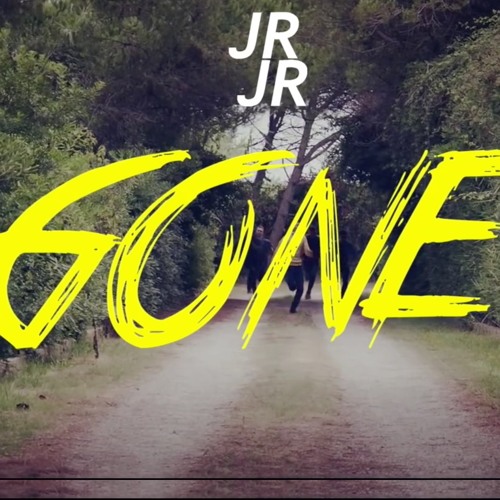
What if you are living your best life, but it’s horrible?
Depression, Anxiety, and Mental Illness are as common as Brown Eyes, but treated like mystical forces. It wasn’t even until the 1970s that we commonly used the term “Depressed”. Today, we have not acknowledged as a species that the Brain is just another organ. The brain is a miraculous organ, but an organ nonetheless. We are fine with treating a pancreas with insulin, but anti-depressants are still referred to by many as “Happy Pills”, implying recreation; or worse, there use is akin to marijuana or alcohol consumption.
“Gone” was written by Joshua Epstein, Mike Higgins, and Dan Nigro when they were 34. It was featured in films, gained popularity, and yet Joshua remained anxious and sad. Why? It was because Joshua didn’t know that he had clinical Anxiety. The upbeat tempo of the song like his upbeat life and success belied the danger and depression expressed in the lyrics. He was wasn’t diagnosed with Anxiety until after “Gone” was a hit. By danger, I mean suicide. Suicide takes out middle-aged men like a scythe. I have lost friends to it. I’m not writing that ”Gone” was a suicide note, but the lyrics point to it as true a laser sight.
Just as Joshua didn’t know he had anxiety, it was equally likely that he didn’t know that he was writing about suicide. However, I argue that his subconscious must have. The suicide theme has gone unnoticed because the tempo and melody is upbeat. This is similar to the “MASH” theme – “Suicide is Painless”, which used the exact same means to cover up the song’s inherent darkness. Although I believe the “MASH” producers intentionally covered up the theme song’s darkness and JR JR did not.
I will analyze the lyrics and post the video, allowing you to decide if you believe that I am correct.
I’ve made up my mind over and over
Here Joshua is expressing that he doesn’t understand what he’s meant to do. Do I become I dentist like my dad? Do I stay in music? Build canoes in Oregon? These are all dead ends. He’s passionate and smart; so, he might he even be successful at these re-invented Joshua’s, but he’s still wanting.
Keep pressing rewind but I’m getting older
Tried every door, don’t know who I’m looking for
Joshua is in middle-age now and he still has no clear path forward.
And I’ve made up my mind over and over
I can’t be everything you want me to be
I can’t be everything you want me to be
Frustrated, like many middle-aged men. He decides to give up. He’s going to end it.
Finally, I can see the light through the leaves
As he is dying, he looks up from the ground and sees “the light through the trees”. In his last moments, he figures out his path, but he won’t be able to “hit rewind” because his decision is a final one.
But it’s all gone
But it’s all gone
“But it’s all gone” is referring himself being all gone. No more present or future.
What comes from the ground now is returning
“What comes from the ground now is returning” is a reference to Man coming from the ground as clay and now he’s returning- Dust to Dust.
It’s all the same sound and my ears are burning
He states “my ears are burning” because people are talking about him; they’re worried.
In some strange home, don’t know who I’m working for
Now, he’s losing consciousness that’s the “strange home” and because this act is final he doesn’t “know who [he’s] working for because all self-determination and advice is now irrelevant- forever. The final chorus refrain reinforces him drifting into the abyss.
I’ve made up my mind over and over
I can’t be everything you want me to be
I can’t be everything you want me to be
Finally, I can see the light through the leaves
But it’s all gone
But it’s all gone
Over and over, over and over
Over and over, over and over
I can’t be everything you want me to be
I can’t be everything you want me to be
Finally, I can see the light through the leaves
But it’s all gone
But it’s all gone
But it’s all gone
The brain is an organ, but unlike the heart, the brain can call out for help through nightmares, outbursts, reckless behavior, or like this artist’s brain – it used art.
I could be wrong, but I do not believe that I am. If this song or my analysis strikes a chord with you, I implore you to talk to someone ASAP.

by Fred Charles Rodewald
This cover was done by Fred Charles Rodewald. Reno Tramp was originally written in 1949. The cover above is from a later edition.

by Rudy Nappi
This cover is from 1951 and was done by an artist who we’ve featured many times in the past and who will undoubtedly be featured many times in the future, Rudy Nappi!


 Through the Shattered Lens