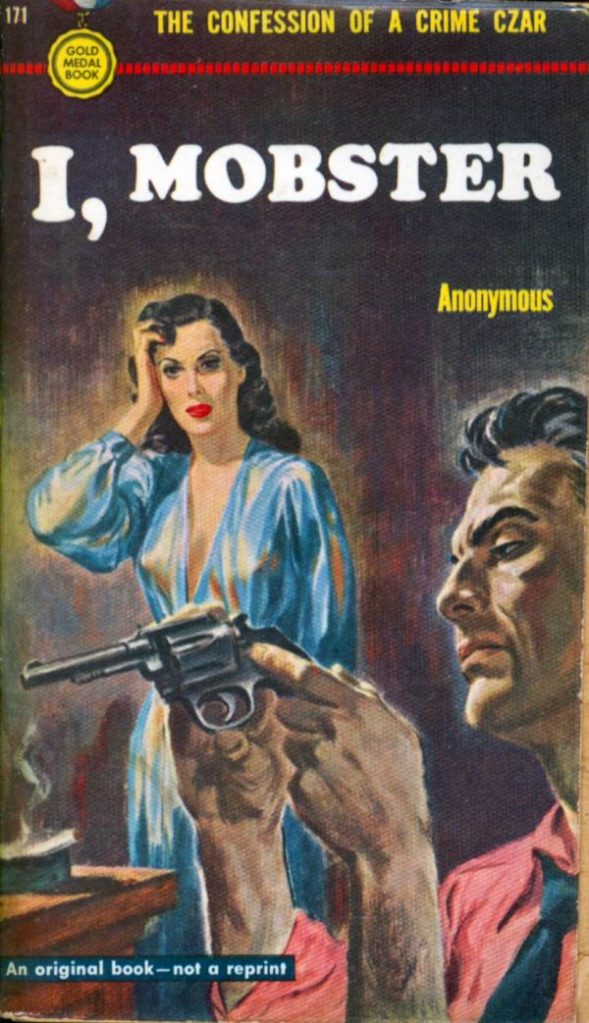
He may be a mobster but he doesn’t look like he knows much about guns.
This book was originally published in 151. The identity of the artist is unknown.
He may be a mobster but he doesn’t look like he knows much about guns.
This book was originally published in 151. The identity of the artist is unknown.
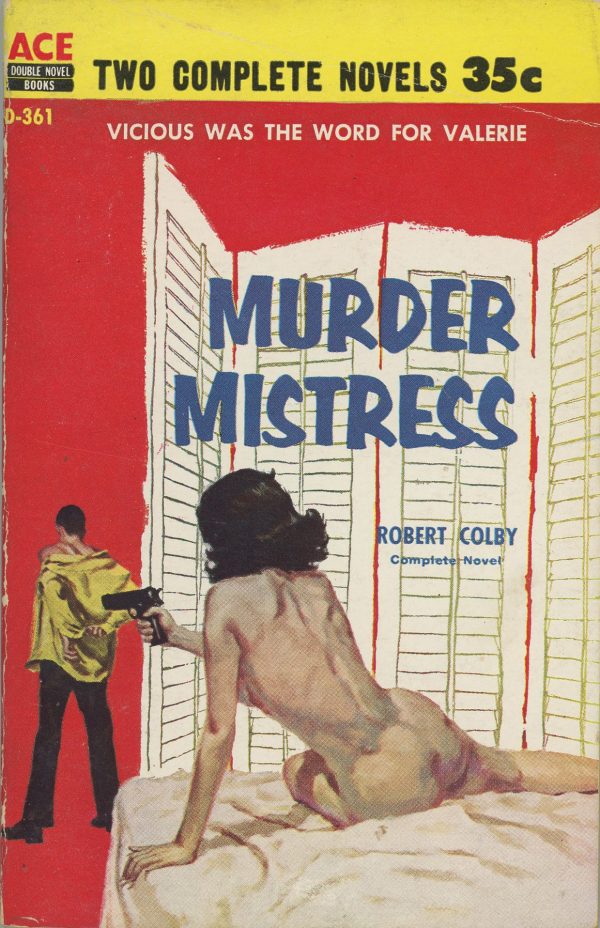
But where was she hiding the gun?
This is from 1959. Unfortunately, the identity of the artist is not known.
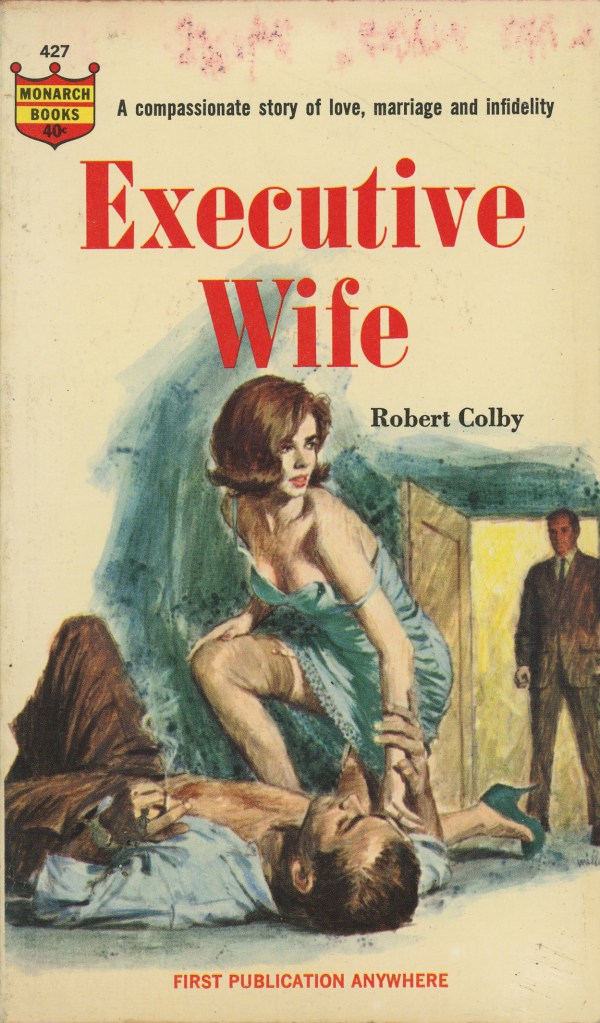
This cover is from 1964 and it’s one of my favorites. Everything about this is spot-on perfect, from the cigarette in the man’s hand to the suit on the other man, who I assume is the executive. That she’s half-undressed but still wearing high heels is the definitive 1964 touch.
This cover was done by Tom Miller.
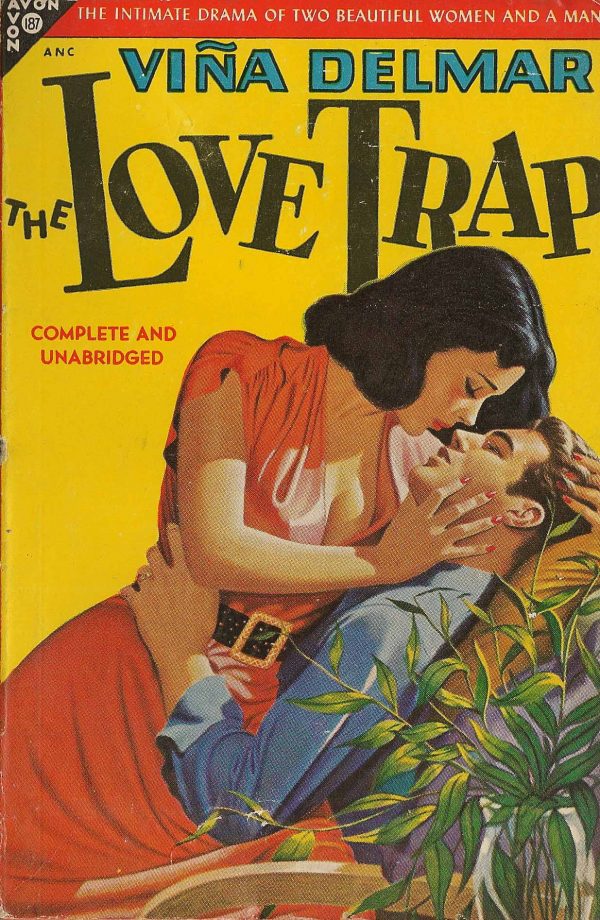
Two beautiful women and a man? Of course, it couldn’t have been two handsome men and a woman.
This novel was published in 1949. The cover was done by Ann Cantor, one of the few women to have regularly done paperback covers during the pulp era.
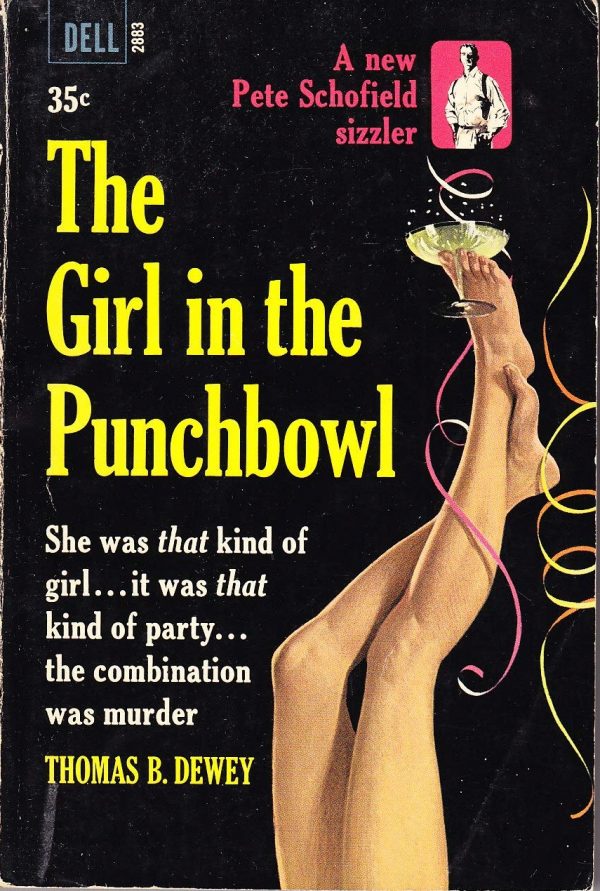
How come real parties are never this much fun?
This cover is from 1964. Unfortunately, the artist is unknown.
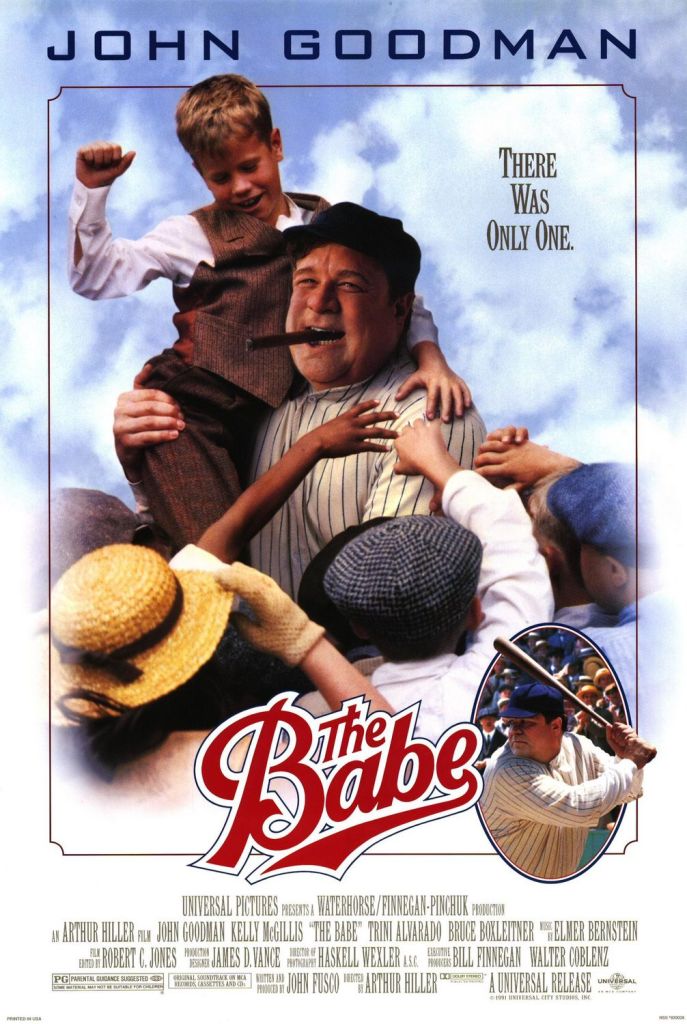
John Goodman. He’s a good actor but not a very convincing baseball player.
Last night, I watched The Babe, which starred John Goodman as Babe Ruth. Babe Ruth was one of the greatest baseball players of all time, the first of the great sluggers, and the holder of the career home run record from 1935 to 1974. He was the type of player that I wish The Rangers had right now because we’ve got a 22-27 records right now and the only bright spot is that we’re doing better than the Angels.
The Babe starts in 1902, with George Herman Ruth getting dropped off at reform school and learning how play baseball from Brother Matthias (James Cromwell) and then follows Ruth through his career, his first failed marriage, his attempts to become a manager, and his eventual retirement from the game. At first, everyone makes fun of the Babe because he’s not very sophisticated and all he wants to do is hit the ball. Then he shuts them all up by knocking ball after ball out of the park. Babe Ruth was a big man, like John Goodman. But he was also a great athlete. Goodman looked like he was in pain every time he had to swing the bat. Maybe that explains why Goodman plays the Babe as if he never actually enjoyed one minute of playing baseball.
The Babe is like a highlight reel of famous anecdotes. Babe Ruth hits his first home run in the Big Leagues. Babe Ruth promises a sick child that he’ll hit two home runs. Babe Ruth calls his shot. Babe Ruth hits three homers during his final game. In real life, Babe Ruth retired after he injured his knee. In the movie, he retires after he hears an owner talking about how having Babe on the team is only good for selling tickets to the rubes. All the famous Babe Ruth stories are here, along with all of the drinking and the womanizing. The movie never digs too deep into what made Babe tick or what it was like to be the most famous and popular athlete in America. It never even really explores how Babe Ruth changed the sport of baseball. Watching The Babe, you would never know that home runs weren’t even considered to be an important part of the game until Ruth established himself as someone who could hit one ball after another out of the park. The best baseball movies make you feel like you’re either out on the field with the player or you’re in the stands with the fans and they make you want to stand-up and cheer with every hit and every run across home plate. The Babe never does that. There’s no love of the game in The Babe.

Running from 1925 to 1951, Lariat was one of the many western magazines of the pulp era. At the time, it published stories and novellas about the men and the women who conquered the old west. Today, issues are sought by collectors who appreciate the magazine’s tough, colorful, and often violent covers. Some of the best artists of the pulp era did covers for Lariat.
Below is just a sampling of the covers of Lariat. Where known, the artists have been credited:


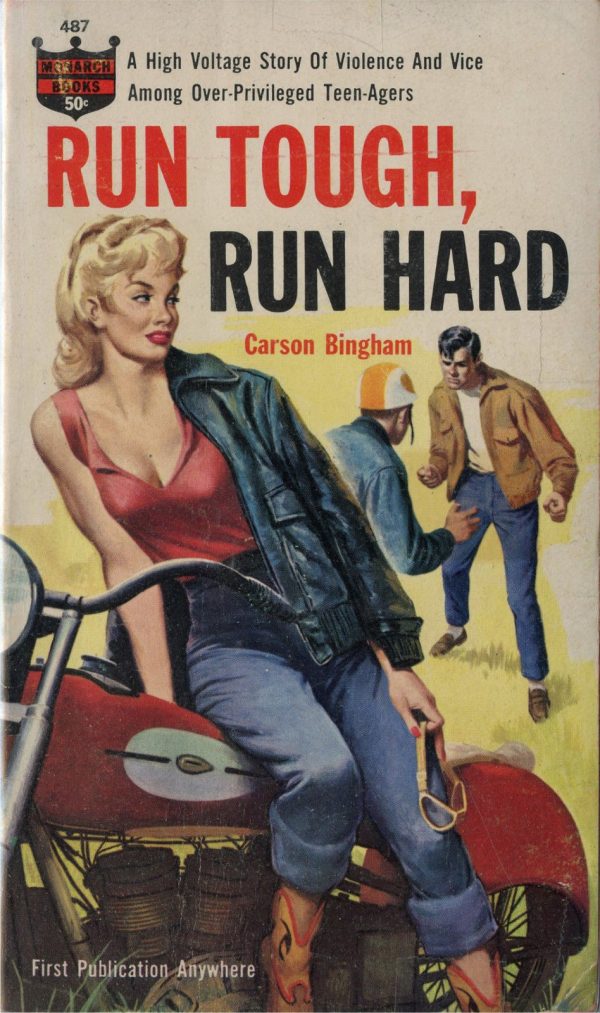
Yesterday, I said we’d probably see more artwork from Raymond Johnson and, right on schedule, today’s artwork is from Raymond Johnson!
This book was originally published in 1964. That’s a nice motorcycle, I wonder if whoever wins the fight gets to keep it. I also like her shoes. I don’t like the motorcycle helmet that’s being worn by the man who has back to us. It looks like it might be too big for his head. Hopefully, it will provide some padding when he gets punched because the other man looks like he knows what he’s doing.
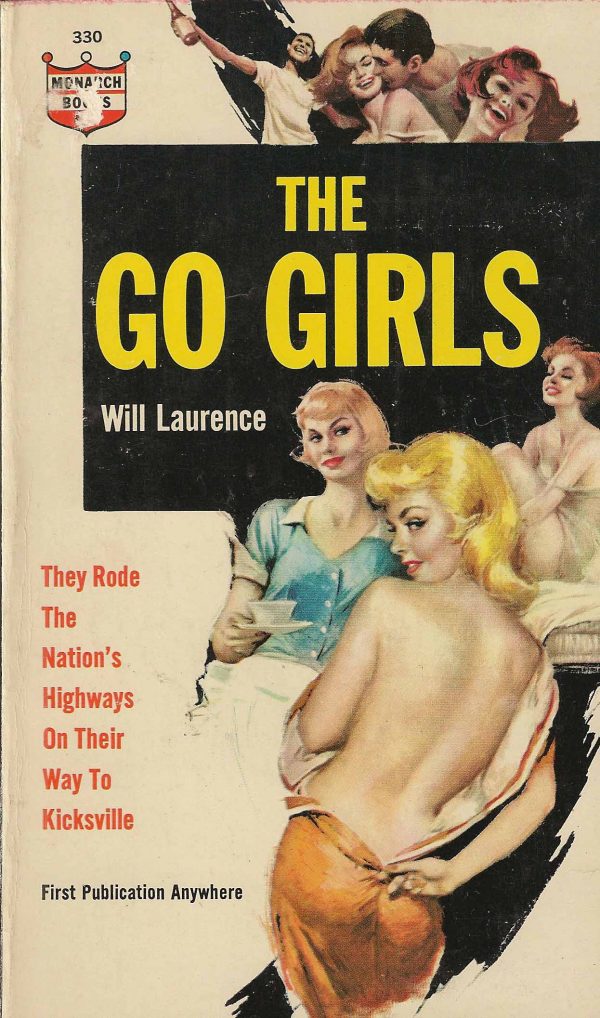
This is from 1963. Have you been to Kicksville? It sounds like a fun place where you can laugh, dance, undress, and serve coffee. Who knows where Kicksville is even located.
This cover was done by Raymond Johnson, who has been featured on this site in the past and who will undoubtedly be featured many more time in the future.
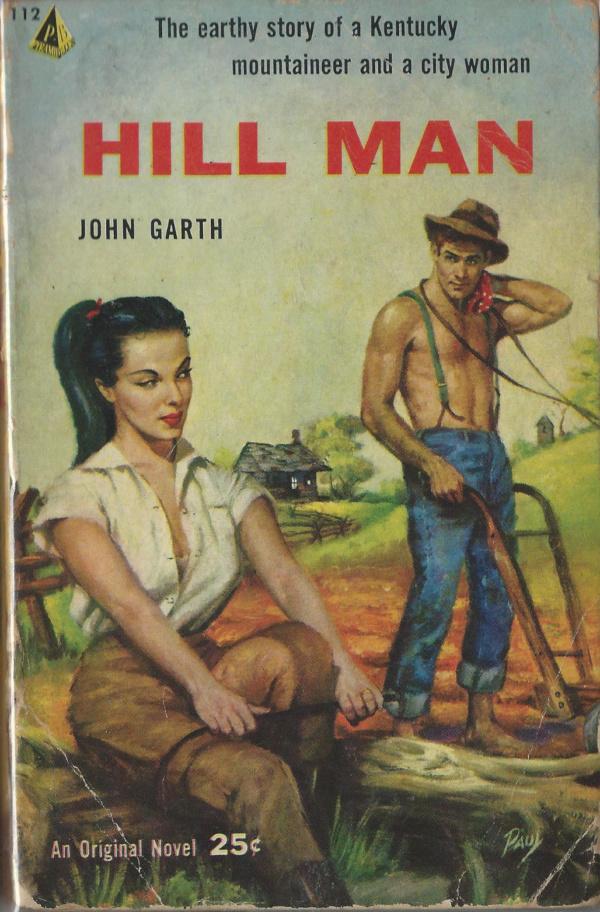
This is from 1954 and it looks like it’s the same old story about the farmer who falls in love with the city girl. The farmer exudes raw, animal sexuality with his bare-chested field plowing but that shack of a house has got to go!
This cover was done by Julian Paul. He even signed it, which is something that far too cover artists used to do. Of course, back in 1954, it’s probable no one realized that covers like this would some day become prized by collectors.
 Through the Shattered Lens