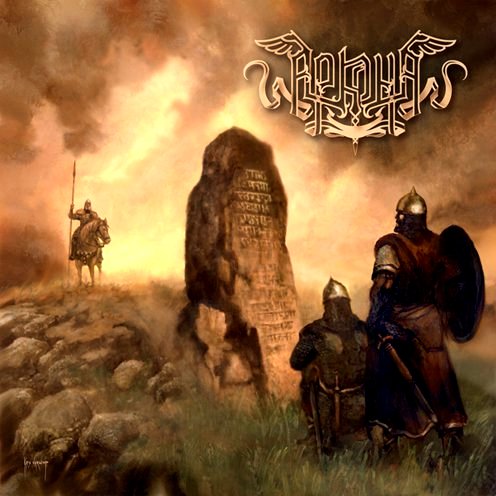
Review: Аркона – Слово (Arkona – Slovo)


I would like to believe that Аркона, or Arkona for you non-purists, is a band requiring little introduction. They did not create the Slavic brand of folk metal, nor are they necessarily the best of their kind, but I would argue that they are the most accessible. Eschewing the common pagan metal dependence on raw production, Arkona deliver directly, presenting a full sound pervaded with folk and ferocious intensity.

At least, that is how I think of them. My ability to relate to the band is a bit narrow. I have somehow only ever listened to Возрождение (Vozrozhdeniye) and От Сердца к Небу (Ot Serdtsa K Nebu), but I’ve listened to both countless times. I am in no position to describe what precisely has changed here since Гой, Роде, Гой! (Goi, Rode, Goi!), but 2007 isn’t that far removed.


Азъ/Аркаим (Az’/Arkaim)

Following their best introduction track to date, Slovo kicks off in standard Arkona form, exploding briefly and then opening up to Masha’s breathtaking vocals. The instrumentation employed differs little from the past–bagpipe and woodwinds driving over epic synths and intense pagan aggression, with slow, tense interludes setting each stage. In the details though, much has changed.

The first difference that caught my eye was the introduction of a violin to accentuate the tension. This application (not its use in general), as it turns out, is more a feature of the opening track than the album as a whole, but the mood it aims for is a recurring theme: expect softer, subtler means to distinguish Slovo’s dynamics shifts.

The other thing I immediately noticed was a diminishing in the intensity of Masha’s metal vocals, and this, unfortunately, is consistent throughout the album. Oh, she can still belt them out better than just about any female metal vocalist out there, but that Slavic shrillness behind the gutturals seems to be gone, degrading into something a bit deeper and a bit more typical to metal in general.


Никогда (Nikogda)

When I returned to a few Ot Serdtsa K Nebu tracks to confirm this latter observation, a lot of other disappointments surfaced. Masha’s mellowing out from a violent she-wolf to a standard death metal growler is only the tip of the iceberg, though her clean singing might be as good as ever. The entire album is really a step down in ferocity. Primitive folk transitions have been replaced by a more consistent reliance on synth and whispered interludes to create a sound that is perhaps fuller but not nearly as inspiring. The track at hand is a bit of a counterexample, but consider it among the heaviest Slovo has to offer, not par for the course.

Don’t get me wrong though. I consider Ot Serdtsa K Nebu one of the best albums of all time, and that’s a pretty high standard to maintain. On Slovo, Arkona continue to produce absolutely solid pagan/folk metal, they’re just complacently maintaining the genres rather than redefining them. The specifically Slavic sounds of pagan metal are here sharing the stage with a more universal approach to the genre.

The album still brings a lot of uniqueness to the table. The guitar on Nikogda manages to maintain a constant tension that never bores in spite of (or even perhaps specifically because of) its simplicity, and it pairs up with the vocals perfectly. The song Леший (Leshiy) delightfully converts a border-line cheesy, carnival accordion into convincing metal. And though no hammer dulcimer is mentioned in the album’s credits, a sound I can describe as nothing else (perhaps very convincing keyboards?) peppers many tracks like falling snow, giving them a decidedly wintery vibe. (I can’t resist pointing out, to the complete apathy of anyone potentially reading this, a peculiar reminiscence I perceive in this last feature to Midwinter Land, the Sindar Ruins theme of Suikoden III, by Michiru Yamane, Keiko Fukami, and Masahiko Kimura.)


Слово (Slovo)

As for my gripes about intensity, the title track does manage to rise to the level I’d come to expect from Ot Serdtsa K Nebu, and might bring to light the stylistic change I had in mind. What springs to life here around 3:30, THAT is what I was looking for on this album. If brief, it demonstrates the intensity hedging on insanity that Slavic folk can offer to metal. That the sort of impact I got from Ot Serdtsa K Nebu in its entirety can only be compared to a passing phrase in Slovo speaks against the album, but in all fairness, that’s a pretty high measuring stick. Slovo is a really enjoyable album throughout, and it’s taken no effort on my part to keep it on perpetual repeat these last few nights. It’s more mellow than what I’d come to expect, in its folk features even more so than in the metal, and the overuse of whispered/spoken introductions and filler tracks is a mild annoyance, but it’s still a cut above much of the competition. If you’re new to the band and these sample tracks left you unimpressed though, do acquire a copy of Ot Serdtsa K Nebu before you write them off altogether.
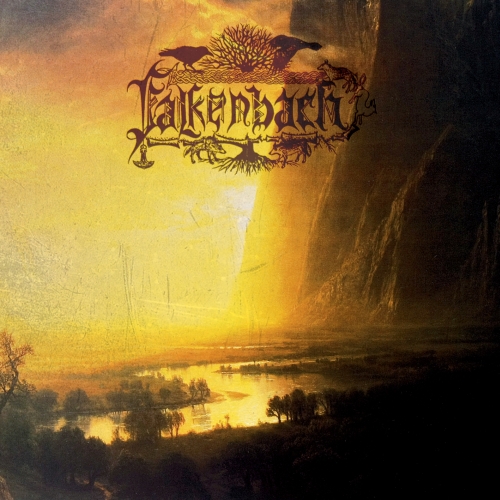
Review: Falkenbach – Tiurida


Geri and Freki does Heerfather feed, / the far-famed fighter of old, / but on wine alone does the one-eyed god / Wuotan forever live.

O’er Midgard Hugin and Munin both / each day set forth to fly. / For Hugin I fear lest he come not home. / but for Munin my care is more.

There Valgrind stands, the sacred gate, / and behind, the holy doors. / Old is the gate, but few there are / who can tell how it’s tightly locked.

Five hundred doors and forty there are, / I ween, in Walhall’s walls. / Eight hundred fighters through one door fare / when to war with the wolf they go.

Five hundred rooms and forty there are, / I ween, in Bilskirnir built. / Of all the homes whose roofs I beheld / my son’s the greatest meseemed.

There is Folkvang, where Freyja decrees / who shall have seats in the hall. / The half of the dead each day does she choose. / The other half does Othin have.

There is Gladsheim, and golden-bright / there stands Walhall stretching wide. / There does Othin each day choose / all those who fell in fight.

Now am I Othin, Ygg was I once. / Ere that did they call me Thund. / Wodan and Oden, and all, methinks / are the names for none but me.

Hail to thee, for hailed thou art / by the voice of Veratyr. / Where Valgrind stands, the sacred gate, / ye will find nine golden doors.

Hail to thee, for hailed thou art / by the voice of Veratyr. / Old is the gate, but few there are / who can tell how it’s tightly locked.


Where His Ravens Fly…

Far from a simple “see you in Valhalla,” Tiurida begins with a faring off worthy of kings, and even before understanding the lyrics you can feel their power in the music. Falkenbach’s 22 years of existence could be described as an effort to express the shared values, traditions, and beliefs of pre-Christian Europe. Written into the music just as much as the lyrics is a reverence for a greater age of man, in which fear and submission had not yet taken the place of mystery and honor. At least, that is what I have always taken out of his works, and perhaps it is why, in spite of the minimal variation in his sound over the years, I’ve always looked to new Falkenbach albums with a sort of reverence.

I never quite got the complaints that every Falkenbach album sounds the same–that he has eschewed developing as a musician and merely continued to produce the same thing over and over again. For while this is certainly true, especially of his last three albums, I would never want anything different. I would gladly take a hundred songs just like Where His Ravens Fly over any change that might cease to capture so fully the essence I’ve described.


Tanfana

I regard Tiurida as a phenomenal success, and possibly the best album of the year. Excluding the decidedly darker and heavier track Time Between Dog and Wolf, what you get on this album are five hymns. There is seldom any anxiety–no desperate or aggressive calls to return to past values, as so many other pagan bands manifest (with much success.) The lyrics are in the present tense, and so, in a sense, is the music. It’s hard to put my finger on what exactly I mean by this last comment, but it definitely lies in the folk side of his sound.

Tanfana is an instrumental song referring to a Germanic goddess of which very little is known. Tacitus’ mention of her in the 1st century is the only surviving source. Fitting, then, that the song should have no lyrics. This song is a very standard representation of how Vratyas Vakyas goes about employing folk music. A few things should stand out right away: The woodwinds are all synthesized; there are no actually traditional instruments at work here. Furthermore, they aren’t being played in any sort of traditional way, with any degree of diversity or improvisation. They are locked into the pace of the song and feel more like a sound sample loop than something performed live in studio.

The effects of this have to be significant, because it’s really what characterizes the folk element of almost all of Falkenbach’s songs. Well, two things stand out to me. Whether we’re talking monks or Burzum or really bad techno, there’s something inescapable about chanting effects. The repetition zones you in and forces you to experience the music in the here and now, whether you want to or not. It creates a heightened awareness of your present state of being. (And it might be why alcohol makes most awful music sound even worse but really bad techno sound awesome, but I’m getting way off focus now.) My point is that an element of this is present in Falkenbach’s sound, not only in the plodding progression of the drums and guitar, but in the folk. The other thing is that the folk instrumentation, being synthetic, bears a commonality with the more standard keyboard choruses he uses. Actual folk instrumentation generally calls to mind an image of something decidedly non-modern, but here there’s very little gap.

So when I say the music is in the present tense, what I mean is that his sound both evades my preconceived disconnection between folk and modernity and zones me into the moment–not of the music, but the on-going present state. Am I just babbling now? Perhaps, but it’s interesting to try and understand what about his sound appeals to me so distinctly from any other band describable as folk/viking/pagan metal. I think that, instead of taking me into the past, it has a sort of capacity to bring the past to me and blur any distinction.


Sunnavend

I suppose we all have particular bands and songs that move us in a personal way and might not have any such effect on anyone else. Falkenbach is just one of those bands for me. I don’t ever want his sound to change, and I’m so glad that on Tiurida it didn’t. This music gives me a unique sort of peace of mind–a feeling that lofty visions of the past aren’t mere idealizations or lost causes, but are entirely realizable in the present. This music is a hymn to the immortal, personified through gods whom modern society has yet to blaspheme.

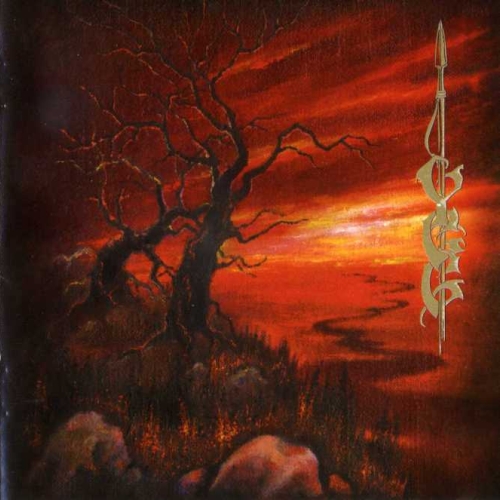
Review: Ygg – Ygg


I don’t know if I’m just a big fan of the Ukrainian metal scene so I’m inclined to notice or if that country really is popping out more bands than anywhere else in the world, but it seems like a year doesn’t go by that I can’t talk about a new band, probably from Kharkiv, releasing an impressive debut album. Ygg is comprised of three musicians from other bands you may have heard of–Nokturnal Mortum, Khors, and Святогор/Svyatogor to name a few–but I wouldn’t call it a side project. Members of that scene collaborate to such an extent that there’s next to no musician you can associate with only one act. The influences are thus a little more engrained, and it would be kind of silly for me to describe Ygg as sounding like a mix of other bands; they sound like Ukrainian metal. And they sound awfully good.

…Знаю, Висел Я В Ветвях На Ветру…(…I know, I hung in the branches in the wind…)

The album kicks off with one of the more effective intros I’ve heard in a while. Alone it might incline you to expect a pretty elementary album. Simple ambient synths, the overlapping sounds of wind blowing and waves crashing (or are those rustling leaves?), and a jew’s harp that they don’t so much play as randomly wank on amounts to something anyone could create in one take given a keyboard and a sufficiently grim, frostbitten basement.

What I’ve come to find over the course of a couple listens though is that the rest of the album is persistently faithful to the mood it sets. I wouldn’t have even noticed the continued presence of that wind and water effect buried beneath the distortion of the first metal track if the intro hadn’t brought it to my attention, and the jew’s harp bleeds into the next song as well. Over the course of the remaining six tracks these effects fade to be replaced by others, but in a way that maintains consistency from song to song.

YGG

So they’re not really switching gears here. They’re presenting the same scene as the intro from a metal perspective. The trance-like mix of tremolo chords and a moderate steady beat certainly maintains that particular ambient feel, and it’s executed in a way that should make any Drudkh fan happy.

The other elements are perhaps a little less accessible though. The kind of wavy, kind of bubbly keyboard sound would seem a bit out of place for me if Nokturnal Mortum hadn’t used the exact same thing so effectively on Weltanschauung. There is already precedence for associating it with paganism, so the sort of futuristic vibe I originally got from it isn’t an issue here. I imagine if I hadn’t listened to specifically Weltanschauung so many times before it might throw me for a loop.

The most obviously distinguishing feature of the album, the vocals, also require a little consideration. It’s a style very seldom used, and I imagine it would inevitably come off as pretty cheesy on first encounter. Previous bands that have employed it have tended to aim for an effect of pure hatred or insanity, for which it’s probably better suited. I don’t really think that fits Ygg’s picture though. Their sound focuses on nature and paganism, at least as I hear it. The track/album/band name is itself one of the many traditional names for Odin, and the introductory track’s title approximates the opening line of the Rúnatal, a 13th century recording of Odin’s self-sacrifice to acquire the wisdom of the runes. No, the vocals aren’t trying to express insanity or hatred.

So I’m inclined to hear the singing as a sort of vocal reproduction of the howling wind in the introduction. I don’t know, maybe that’s a stretch, but it’s an interpretation that works for me. It’s a sound that’s a bit harder to pull off, because a less chaotic theme requires more precision. When his voice occasionally sounds a bit too human it’s more of a brief letdown for me than a poignant reminder of music’s theme. But at this point perhaps I sound so absurdly full of myself that I’m doing the album more harm than good. I’ll just stop. Suffice to say I really like this, and I think a lot more went into its conception than just three guys jamming black metal and landing on something nice. It’s a rewarding work that’s fairly complex in its simplicity, and I highly recommend it.

Review: Kroda – Schwarzpfad


I’ve been listening to this album for months now and I’m still not sure what exactly I want to say about it. The songs are very well written in a format you might come to expect from Ukrainian metal; In some ways I feel like they’re better written than most others in their scene, including Kroda’s past works. But there is a lack of intensity in the execution that leaves me unable to be really moved by it. I don’t know if it’s a matter of performance or production, but something just isn’t there.

First Snow

The result is rather uncharacteristic. I mean, what do most Slavic metal bands have in common if not a degree of savage intensity that puts all other metal scenes to shame? Schwarzpfad goes for a much more mellow approach. It’s got this weird dual effect of highly dynamic song writing and almost monotonal atmospherics. The acoustic breaks, the woodwind solos, the occasional peak into a triumphal chorus, they all just kind of blend together for me. Like on this song, nothing really stands out to mark the switch into the guitar and vocal peak that starts about two minutes in. I sometimes barely notice anything has changed.

Now, I’m not calling this a fault. I don’t know what Eisenslav intended, so I’m in no position to say he missed the mark. But it certainly makes for a difficult listening experience. You just have to force yourself to pay attention, because it can be very inaccessible at times.

Forefather of Hangmen

Any complaints I might have about the sound quality of this album (and these youtube rips actually sound a lot better than the 192 cbr copy I found) shouldn’t overshadow its many positive traits, but what makes Schwarzpfad good I’ve had equal difficulty describing. The songs are just really well written, and I might have to leave it at something as vague as that. Honestly, the juxtaposition of really great songs and what I feel is a really bad recording make both pretty difficult to describe. I can’t hear the good attentively without thinking of the bad, and vice versa. I’ve invested a tremendous amount of time into this album and all I’ve taken out of it is a conviction that there’s something really great here and I’m not hearing it, so I think it’s time I called it quits. If they actually decide to tour the United States for once I’ll be the first in line to find out just how good Schwarzpfad really is, but until then I think I’ll give this one a rest and wait for their next album.

Hail to the Hammer: Music for October (part 1)


What an awesome month. Forget Christmas, Halloween is where it’s at. Zombie movie marathons, kids walking around dressed as ghouls and barbarians, all the candy in the world, how can you beat it? And considering Christmas has its own devoted genre of music, why shouldn’t this (far superior) autumnal advent?

I thought I’d post up ten of my favorite “songs of the season” for your enjoyment.


Månegarm – Ur själslig död
I don’t know, maybe it’s just their unusual name, but I find myself often forgetting that Månegarm exist. I really shouldn’t. They’ve put out some impressive music.


Finntroll – Trollhammaren
I never saw the English translation of these lyrics until I came across this particular video, and now I love the song even more. “Amongst the shadows rides a beast like a black tree, gripping hard a mighty hammer, looking for weak Christian blood. He is not human, not fragile and weak like you. You will be helpless. No eyes see your end.”


Troll Bends Fir/Troll Gnet El – Strawberry Berserk
No one has ever quite settled on a proper means to transliterate Тролль Гнёт Ель, but whatever we call them they certainly fit the occation. The title of this song makes no sense to me, so I’m just going to assume it’s about getting really drunk.


Korpiklaani – Kohmelo
Korpiklaani manage to release a new album every year, with six since 2003 and another planned for February. As can be seen from their most recent one, this has been no deterrent to their quality. I know I linked this once before, but I can’t resist putting it up again – by far my favorite song by them.


Myrkgrav – Endeoner
Myrkgrav, like so many bands of the genre a solo project, composed this anthem to close his only full length album, Trollskau, Skrømt og Kølabrenning.


Thyrfing – Mjölner
I don’t listen to Thyrfing all that much over all, but Mjölner has one of the most ass-kicking melodies in metal.


Ensiferum – Victory Song
In this ten minute epic the chorus says it all. “Swords in their hands, they killed each and every man who dared to invade their sacred land. Victory songs are rising in the night, telling all of their undying strength and might.”


Pagan Reign – Печаль Сварога (Novgorodian Folk Dance)
Pagan Reign hail from Russia. Though they broke up after their 2006 release, the feel of the band remains largely intact under the offshoot project Tverd (Твердь). Also, this track gets my vote for the greatest intro ever.


Falkenbach – Heathenpride
Falkenbach’s contributions to viking/pagan metal cannot be overstated. Heathenpride tells the tale of a band of missionaries who ravage the northern lands in the name of Christ. With a sacrifice to Odin and Tyr, a pagan king calls for revenge and slaughters the Christian invaders. A happy ending if ever I’ve heard one. As it relates to actual history, Saint Boniface felled the sacred Donar Oak, near Fritzlar, Germany, in 723. Thirty-one years later he was put to the sword by pagans in Friesland, northern Holland. The Christians were, at best, just as barbaric as the pagans they sought to convert, and far less justified in their actions. Boniface’s death can be seen as one of the few pagan triumphs as Christians raped and pillaged their land. Whether Heathenpride is telling this story or some similar one that I am unaware of, the point is still a strong one.


Bathory – Hammerheart
The late Quorthon, father of viking metal, had once intended Twilight of the Gods to be his final album, and this was its closing track. We’ll see him in Valhalla.

Now that the winds call my name
And my star has faded, hardly a glimpse up in the empty space
And the wise one-eyed great father in the sky stilled my flame

For the ones who stood me near
And you few who were me dear
I ask of thee to have no doubts and no fears

For when the great clouds fills the air
And the thunder roars from oh, so far away up in the sky
Then for sure you will know that I’ve reached the joyous hall up high

With my blood brothers at side
All sons of father with one eye
We were all born in the land of the blood on ice

And now all you who might hear my song
Brought to you by the northern wind, have no fear
Though the night may seem so everlasting and forever dark

There will come a golden dawn
At ends of nights for all ye upon whom
The north star always shines

The vast gates to hall up high
Shall stand open wide and welcome you with all its within
And Odin shall hail us bearers of a pounding hammerheart

Unholy Offerings, October-Present


I must have really been out of it these last three months. I was looking over some year-end lists and saw Arkona… then Kalevala… then Nokturnal Mortum… Since when did they all have new albums out? So I decided enough of this and got out my shovel. 1,097 album topics flagged as metal later, I had nine new releases by great bands between October 1st and now, and one from September that seemed sufficiently overlooked to merit mention. Some came as complete surprises. Others I’d acquired and then promptly forgot. Krallice aside I haven’t heard any of these prior to about two days ago, if at all. But these aren’t just arbitrary bands. They are all groups that have released albums I’m quite fond of in the past:


Arkona – Goi, Rode, Goi!
Аркона – Гой, Роде, Гой!
Napalm Records, October 28th, 2009
Russia
Arkona stand, in my mind, alongside Pagan Reign/Tverd’ at the forefront of pagan metal today. Ot Serdtsa K Nebu might have been too good to be topped, but this is bound to be an enjoyable album.


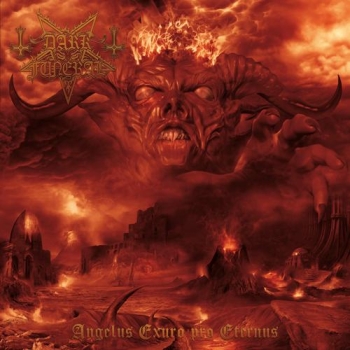
Dark Funeral – Angelus Exuro pro Eternus
Regain Records, November 18th, 2009
Sweden
I expect more completely standard Swedish bm… but who can complain?


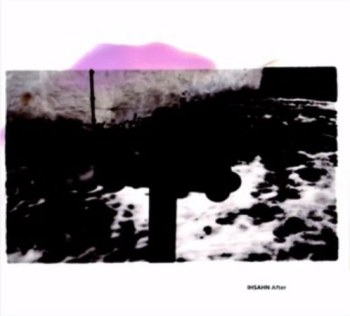
Ihsahn – After
Candlelight Records, January 26th, 2010
Norway
Emperor’s frontman needs little introduction. For those of you who were, like me, disappointed with angL, note that I did listen to After once and I think it’s pretty solid. Expect the usual prog black metal that only Ihsahn can really pull off.


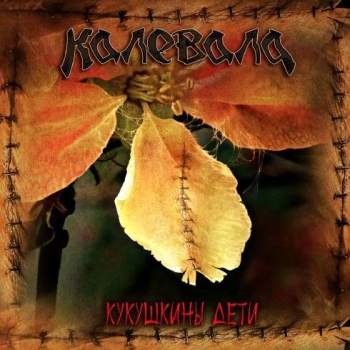
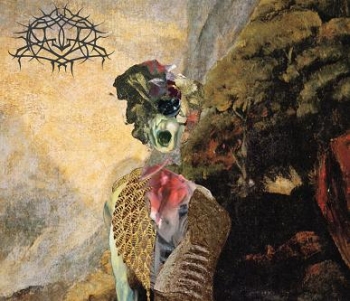
Kalevala – The Cuckoo’s Children
Калевала – Кукушкины дети
Metalism Records, October 3rd, 2009
Russia
Possibly my favorite folk metal band, these guys play songs that would stand up in any epoch if you took out the metal guitar and drumming


Krallice – Dimensional Bleedthrough
Profound Lore Records, November 10th, 2009
United States
Krallice’s self titled was an easy contender for the greatest album of 2008. They take the concept of post-black metal started by Agalloch and Klabautamann and tie it to the end of an atom bomb. This will probably turn out the best album out of the ten here listed.


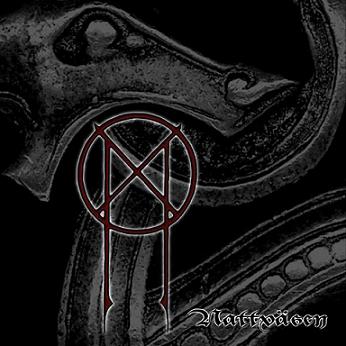
Månegarm – Nattväsen
Regain Records, November 19th, 2009
Sweden
An incredibly underrated folk metal band with tendencies towards black metal


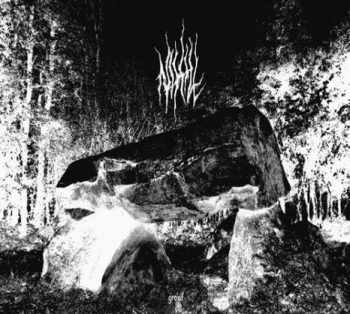
Nihill – Grond
Hydra Head, October 13th, 2009
Netherlands
Ambient, spooky American-style black metal


Nokturnal Mortum – Голос Сталі (The Voice of Steel)
Oriana, December 26th, 2009
Ukraine
Nokturnal Mortum stand at the forefront of nsbm, their music so brilliant as to compensate for all radical ideologies, though their new album is a disappointment in my opinion. It’s still better than most else out there. See my review from last week for more details.


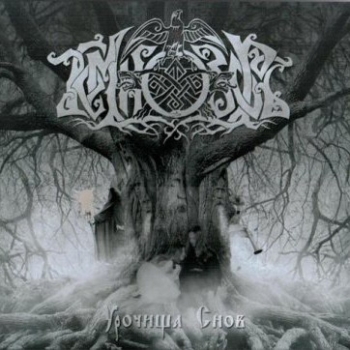
Temnozor – Haunted Dreamscapes
Темнозорь – Урочища Снов
Stellar Winter, January 3rd, 2010
Russia
Very folk-influenced nsbm, and much better than the new Nokturnal Mortum album if you ask me. (Not that it need be said, but we don’t ideologically support nsbm. The music still kicks ass.)

And last of all, for a band that never fails to confuse me:

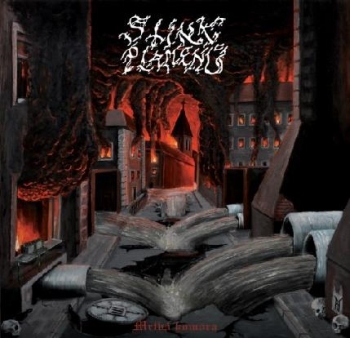
Stíny Plamenů – Mrtvá Komora
Naga Productions, September 1st, 2009
Czech Republic
“The name of the project, Stiny Plamenu (meaning “Stinky Sewer”), was born from the feelings and emotions experienced while watching the sewer expanses illuminated by a flickering fire, the fascinating places beneath the town of Plzen became the inspiration for the lyrical content of the project. Mythological characters of the world of sewer lore soon appeared: Pan Cistirensky (“The Sewage Disposal Lord”), Pani z Vodarny (“Lady of the Waterworks”), Syn Poklopu (“Son of the Manhole Lids”), Mistr Jimac (“The Cesspool Master”) and some others. Stories about these figures are told in the guise of black metal pieces with a truly bestial sound.”
Ok, well I might have edited the English translation of the band name……

5 Artists/Bands I Fell In Love w/ in 2009


While I’m not as well-versed with all sorts of music genres like some friends of mine I do have a well-rounded taste when it comes to music. Growing up during the 80’s it was hard not to get into the hair-metal which dominated the scene. Yes, I fully admit to being a Motley Crue fan and even listened to the random Poison track here and there. In addition to hair-metal I also got into rap and hip-hop during the 80’s and early 90’s which I still consider the Golden Age of the genre.

Young people nowadays can have their Lil’ Wayne or Soulja Boy (but why would they want to) and the Dirty South crew and all that. I say I’ll take giants of the genre like Eric B. and Rakim, EPMD, Wu-Tang Clan, Afrika Bambaataa, Paris, N.W.A, Ice-T and Ice Cube over these new youngbloods any day of the week and Sundays included. While rap and hip-hop have become too much about commercialization I do like current acts like Mos Def and Talib Kweli of Black Star, Common, OutKast, Mobb Deep and Goodie Mobb.

As I’ve gotten older I’ve branched out from those two genres and embraced all types of music (though folk music still escapes me most of the time). It doesn’t matter now whether the artist/band plays some subgenre of metal like Norwegian Black, Viking, Pagan or combinations in-between. Or if they’re more classical genres like baroque, chamber and symphony. If they sounded good and I got into them I couldn’t care less what sort of genre they went under.

2009 was a good year for me in terms of discovering some new bands and artists. These were not new in the way that they’ve just been making music recently. All five I’m about to mention have been making music for at least a decade or decades for a couple.

1. Altan Urag

Altan Urag is a folk-rock band from Mongolia who have combined traditional Mongolian folk music, Western rock stylings and traditional Tuvan/Mongolian “karkhiraa” throat singing. It’s just very difficult to try and explain Altan Urag who has never heard of throat singers and folk music from the region. I’ve pretty much scoured every music store in my area, the net and other shadowy options to find their music. To say that I fell in love with this band would be one of the major understatement of the year.

2. Bathory

Bathory is one band I’ve heard of in the past but never really bothered to try. I was still very leery of the subgenres of metal that went by labels such as Norwegian Black, Pagan, Viking, etc. I was very much still a child of the NWOBHM movement of the lat 70’s and early 80’s and the rise of trash/speed metal of the 80’s. But the last two years I’ve branched out to try more types of metal and in 2009 I finally gave Bathory a chance and was instantly hooked. I’ve wondered since why I never gave them a chance. My favorite track of theirs has to be “Hammerheart” from their “Twilight of the Gods” album. It’s a much more subdued Bathory, but every time I listen to it I feel like I should be at a pub or some Viking hall downing a few pints of ale or horns of mead with my buddies before going off to battle. I definitely feel like Odin is watching over me when I listen to Bathory.

3. Blind Guardian

What is there to say about Blind Guardian that its most ardent fans haven’t already said ad infinitum about this greatest of all power metal bands. Power metal have been a genre I’ve dabbled in here and there in years past but never really paid them much attention as they truly deserve. Blind Guardian changed all that for me in 2009 and I now count Power Metal as one of my favorite type of music. Blind Guardian’s epic and quite operatic 2002 album, “A Night at the Opera”, was my first introduction to this power metal band of all power metal. While I’ve come to love all the other albums of their pre- and post-Opera I found this album of theirs the most accomplished and musically complete. Even people who are not typically fans of metal would find this album as something they would enjoy listening to. My favorite track is also the longest and most complex in the album, “…And Then There Was Silence.” It is an epic 14-minute track that tells the story of the Trojan War. If there’s a song more epic than this one I haven’t heard it.

4. Boris

Whenever I used to think of Japanese popular music and rock I always thought of J-Pop and it’s rock equivalent. I’m not wrong in that assumption as those type of music coming out of Japan have become quite popular due to the rise in the popularity of anime in the West. So, color me surprised when the same friend who introduced me to Blind Guardian and Altan Urag told me to check out Boris. The band is the power trio of Atsuo (vocals/drums), Wata (lead guitar) and Takeshi (bass guitar/vocals) out of Tokyo who simply cannot be hobbled by any particular genre of rock. One album may be stoner rock while the next all about doom and drudge metal. They’ve even released ambient rock and noise rock albums where one would think the music was just amps feedbacking back on themselves. I’ve come to call Boris the mad scientists of rock and their albums attest to that. My favorite track of theirs come from their 2003 album, “Akuma no Uta.” The song in question is called “Naki Kyoku” and one just has to listen to this song just what sort of musical geniuses the trio of Boris really are.

5. Tom Waits

Tom Waits. There’s just nothing much I can say about my love for Tom Waits other than people who have never heard him should just listen to “Pasties and a G-String” and be amazed. To try and describe Tom Waits would be an exercise in failure. One either loves The Waits or just don’t get him. There’s no middle-ground when it comes to The Waits.

So that makes the 5 bands and artists I fell in love with in 2009. Honorable mentions must go to these others: Mastodon, Turisas, Isis, Otis Taylor, Mantic Ritual, The Black Keys, Mirrorthrone and Nightwish just to name a few.