One Piece: Into the Grand Line (Season 2, Episode 3 “Whiskey Business”) Review


“I still have a long way to go to get to his level. That’s what the journey’s all about.” — Roronoa Zoro

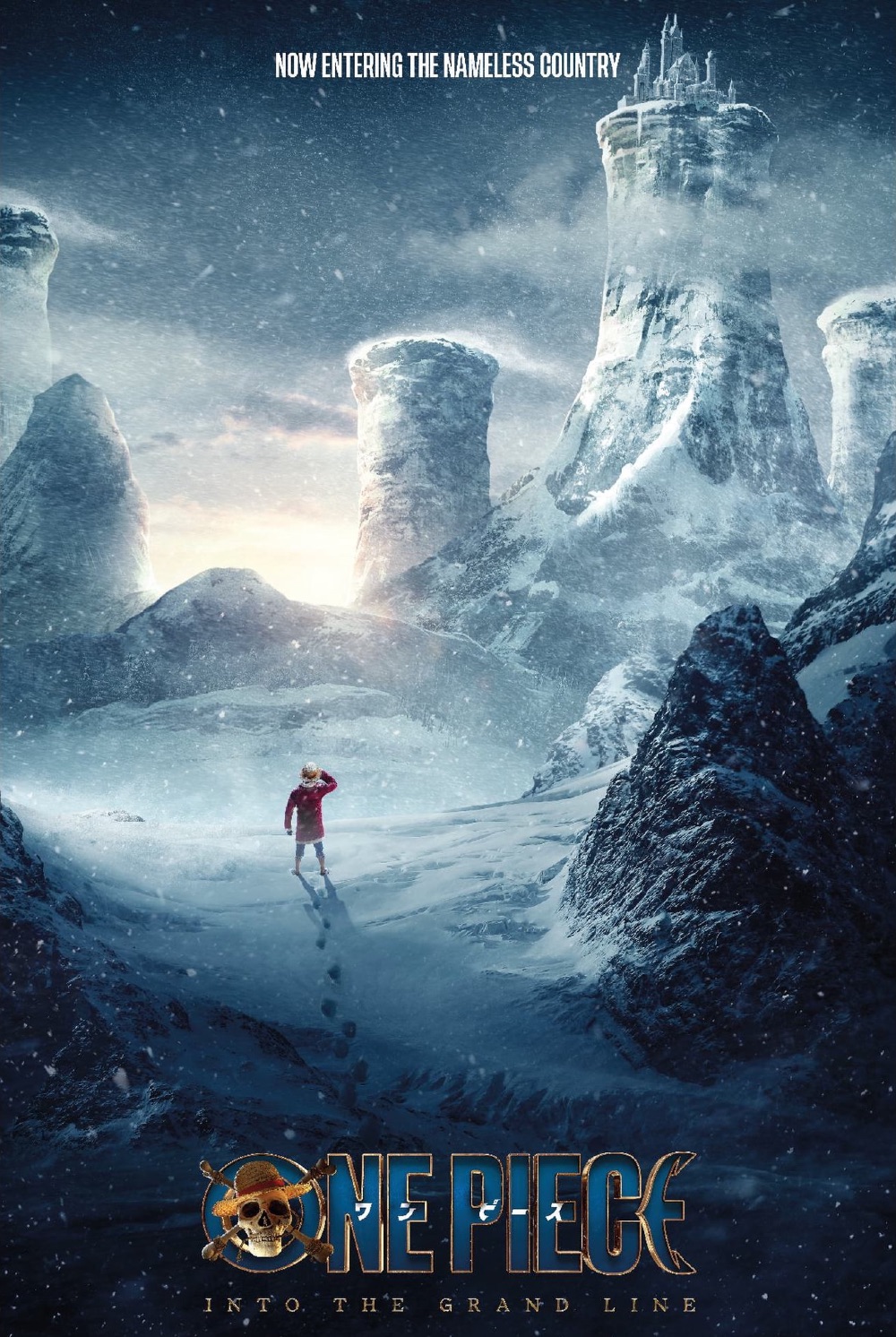
One Piece season 2 is building serious steam, and episode 3, Whiskey Business, delivers a thrilling payoff after the previous episode’s quieter, more tragic tone centered on fan-favorite Laboon’s bittersweet backstory. While that installment leaned into emotional depth with less chaos, this one explodes into the Grand Line’s wild unpredictability as the Straw Hats wash up on Cactus Island, stepping into the deceptive oasis of Whiskey Peak amid the region’s bizarre “cyclone of seasons”—sweltering heat one moment, flurries the next. Luffy’s unshakeable optimism shines as he greets quirky newcomers like Mr. 9 and Miss Wednesday, setting up the intrigue that defines this arc. It’s a smart move to blend character beats with rising tension early on, reminding viewers why this crew clicks so effortlessly.

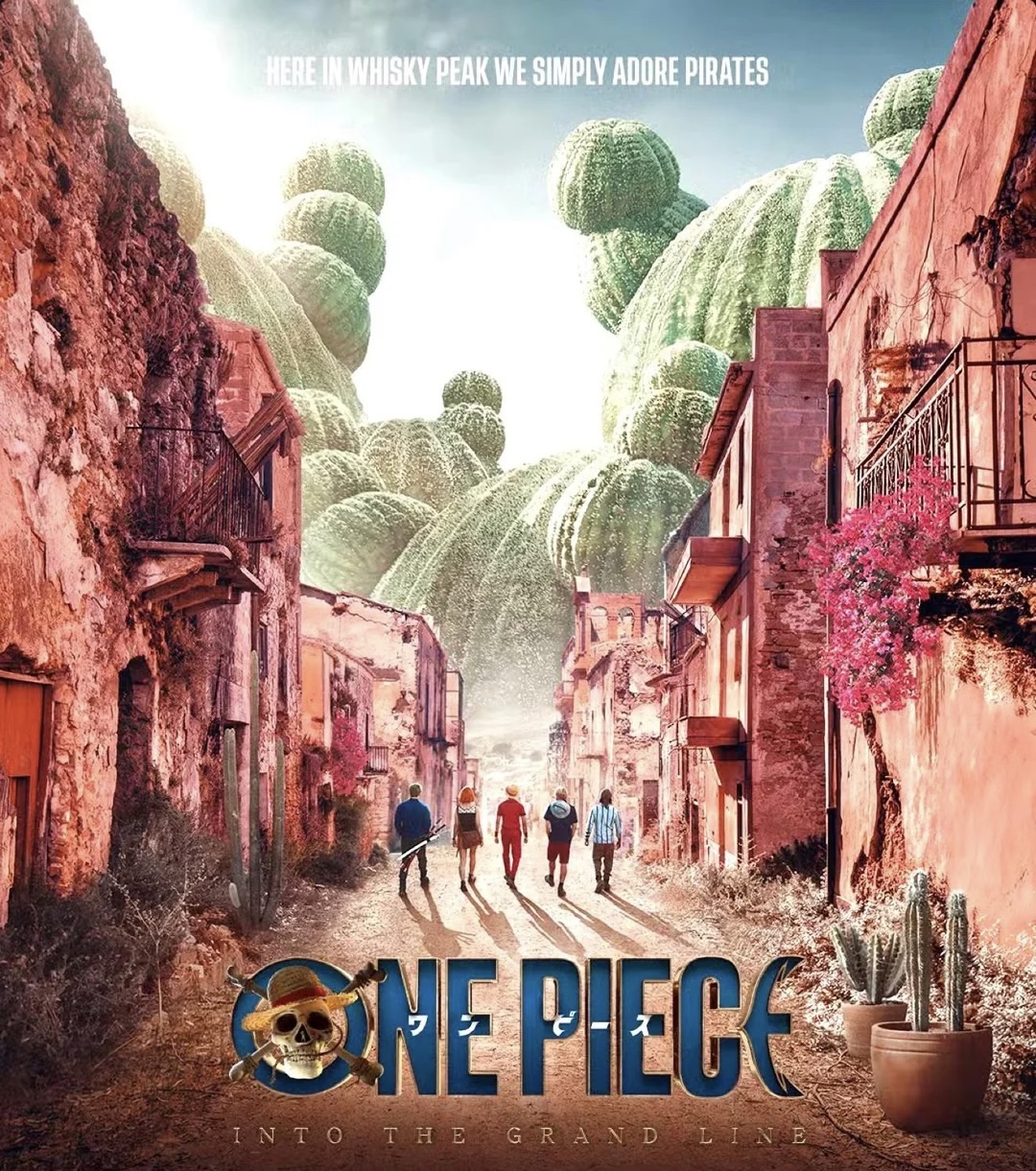
The episode wastes no time establishing Whiskey Peak as a deceptive paradise, a cactus-riddled town on Cactus Island that lures in pirates with open arms and flowing booze. The locals throw an over-the-top welcome party for the Straw Hats, complete with cheers and toasts that feel genuine at first glance. Luffy, ever the glutton for fun, dives right in, scarfing down food while bonding with the quirky newcomers—Miss Wednesday’s poised charm and Mr. 9’s bumbling bravado add fresh dynamics to the mix. Usopp and Sanji get their moments to shine too, with Usopp spinning tall tales that endear him to the crowd and Sanji whipping up dishes that steal the show. These lighter scenes ground the episode, highlighting the crew’s camaraderie before the rug-pull hits.

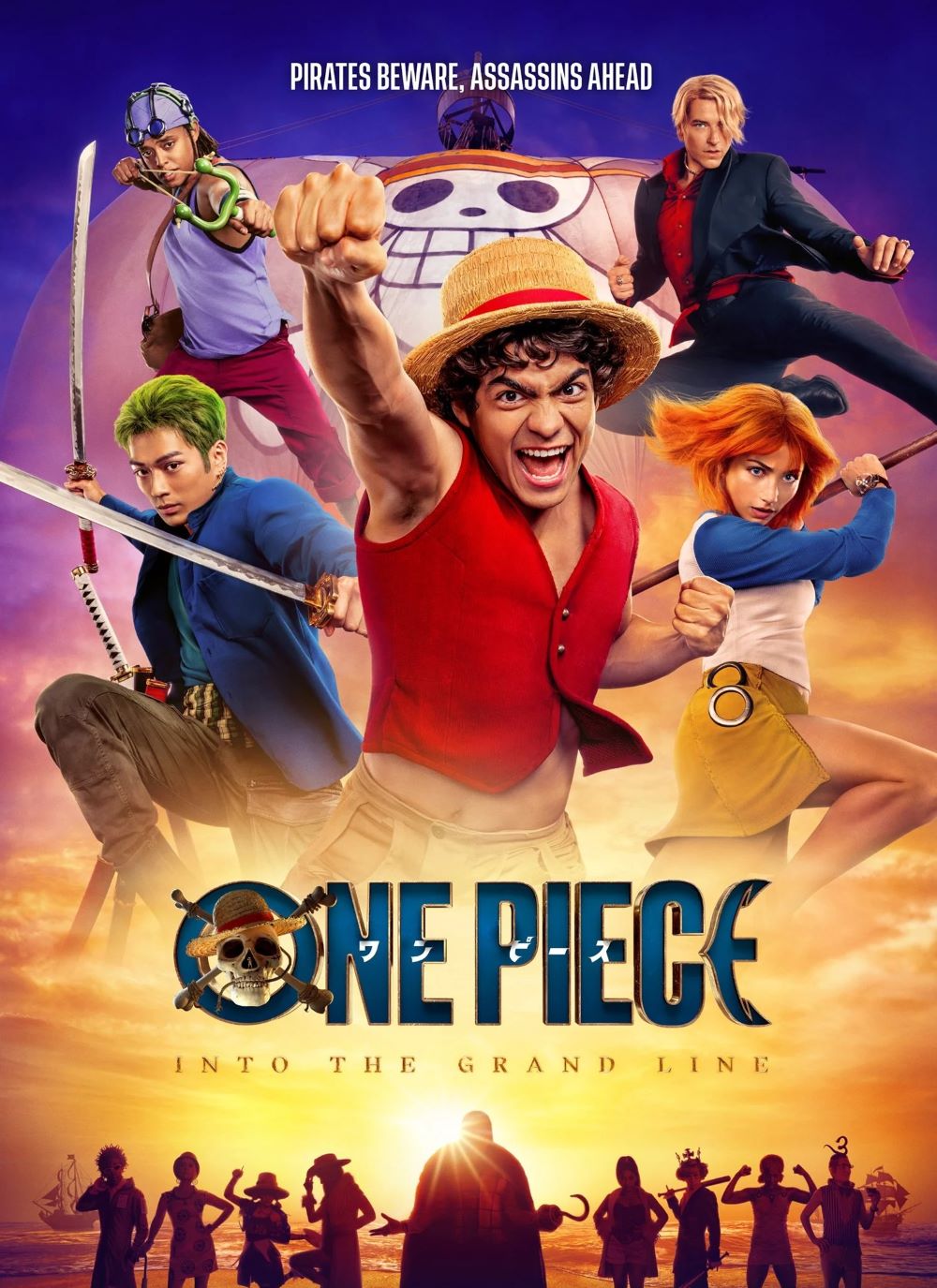
Then comes the turn, and it’s handled with precision. Zoro, still haunted by his loss to Mihawk, picks up on the off vibes during a tavern scuffle, sniffing out the trap laid by Baroque Works agents masquerading as friendly townsfolk. What follows is the episode’s crown jewel: a brutal, multi-tiered brawl where Zoro faces off against a hundred foes in a stunning set piece. The stunt work is top-tier, choreographed to feel relentless yet stylish, with Zoro’s three-sword style cutting through waves of attackers like a whirlwind. It’s not just mindless action; flashes of his internal struggle—Mihawk visions fueling his drive—add emotional weight, making his dominance feel earned rather than flashy for flashy’s sake. The production design elevates it all, turning Whiskey Peak‘s ramshackle buildings into a vertical battlefield that pops on screen.

Nami’s sharp instincts pair perfectly with Zoro’s blade work, as she uncovers the agents’ hidden weapons and signals the crew to snap out of their stupor. Sanji and Usopp jump into the fray too, their fights more scrappy but no less entertaining—Sanji’s kicks land with precision, while Usopp’s slingshot tricks show his resourcefulness under pressure. Luffy, true to form, stays mostly out of the melee, prioritizing his gut feeling about Miss Wednesday and Mr. 9, which plants seeds for future alliances. This balanced distribution of heroics keeps the episode from relying solely on one star, though Zoro undeniably carries the combat load.

Baroque Works emerges as a credible threat here, their numbers and coordination hinting at a larger syndicate without overwhelming the runtime. Mr. 9’s failed leadership and Miss Wednesday’s hidden agenda tease deeper lore, while the mayor Igaram’s reveal as Mr. 8 adds a layer of betrayal that stings. The episode smartly foreshadows bigger players like Miss Valentine and the enigmatic Mr. 0, building tension for the season without spoiling the payoff. It’s a fair adaptation choice, condensing the Whiskey Peak arc to heighten pacing while preserving Eiichiro Oda’s themes of deception and loyalty.

Emotionally, Whiskey Business punches above its weight. The crew’s kindness amid the carnage—sparing lives where possible—reinforces their pirate ethos, contrasting Baroque Works’ ruthless efficiency. A poignant beat with Vivi (Miss Wednesday’s true identity subtly emerging) tugs at heartstrings, her conflict over duty and friendship feeling authentic in the actors’ hands. Iñaki Godoy’s Luffy remains a beacon of joy, his infectious laugh cutting through the violence, while Mackenyu’s Zoro conveys quiet intensity that hints at growth ahead. The supporting cast nails their roles too; the Baroque agents’ over-the-top designs and quirks make them memorable cannon fodder rather than bland goons.

Visually, the episode impresses across the board. Cactus Island’s stark landscapes, from sun-baked dunes to the town’s mechanical underbelly, blend CGI with on-location shots seamlessly. The Grand Line’s “cyclone of seasons”—sweltering heat flipping to blizzards—amps up the peril right after arrival, selling the world’s dangers. Fights incorporate practical stunts where possible, with wire work enhancing the spectacle without veering into uncanny valley territory. Sound design deserves a nod too; clashing steel and Zoro’s grunts mix with a swelling score that echoes the anime’s adventurous spirit.

That said, it’s not flawless. Pacing dips slightly in the party scenes, stretching what could be tighter to build suspicion—some viewers might fidget before the action erupts. A few Baroque agents blend together, diluting their individuality despite fun powers like Miss Valentine’s weight-shifting (briefly teased). Luffy’s hands-off approach, while canon-faithful, sidelines him a tad in this early season outing, though it smartly spotlights the crew’s expanding talents. For manga veterans, the arc’s brevity skips minor gags, but show-only fans won’t miss much, as the core thrills land intact.

As a key early episode in season 2, Whiskey Business delivers on escalation. Season 1 nailed East Blue’s small-scale wonders; this ramps up to Grand Line stakes with bigger fights, richer world-building, and hints of political intrigue via Baroque Works’ shadow over Arabasta. It balances fan service—like Zoro’s Onigiri stance—with accessibility, ensuring newcomers stay hooked. The emotional core, blending laughs, bonds, and brutality, cements One Piece‘s live-action staying power. By episode’s end, as the Going Merry sails off with new questions about Vivi’s quest, you’re left buzzing for more—not revolutionary TV, but damn fun pirate escapism that honors its roots while carving its path.

One Piece: Into the Grand Line Season 2 Episodes

One Piece: Into the Grand Line (Season 2, Episode 2 “Good Whale Hunting”) Review


“That whale’s been waiting over 50 years for pirates who ain’t coming back.” — Crocus

One Piece’s second season doesn’t ease you back in so much as fire you out of a cannon straight into the Grand Line, and Good Whale Hunting is where it really clicks that this show still knows exactly what kind of emotional rollercoaster it wants to be. Coming right after a premiere that’s busy setting up new Marines, new wanted levels, and the general sense that the East Blue training wheels are off, episode 2 narrows its focus to a single iconic manga arc and treats it with a surprising amount of patience and sincerity.

The season 2 opener (“The Beginning of the End”) is basically the big hand‑off episode: a Loguetown victory lap, a check‑in with Smoker and Tashigi as the new Marine threats, and a reminder that the Straw Hats are now sailing with real eyes on them. It’s longer, busier, and a bit more sprawling, juggling the execution platform legacy of the Pirate King with Luffy’s usual chaotic optimism and a few early‑teased antagonists the anime took its time introducing. As a premiere, it gets the job done—stakes are sketched in, the world opens up—but it can feel like it’s compressing two finales and a soft reboot into one hour‑plus block. The upside is that when episode 2 hits, the show finally breathes.

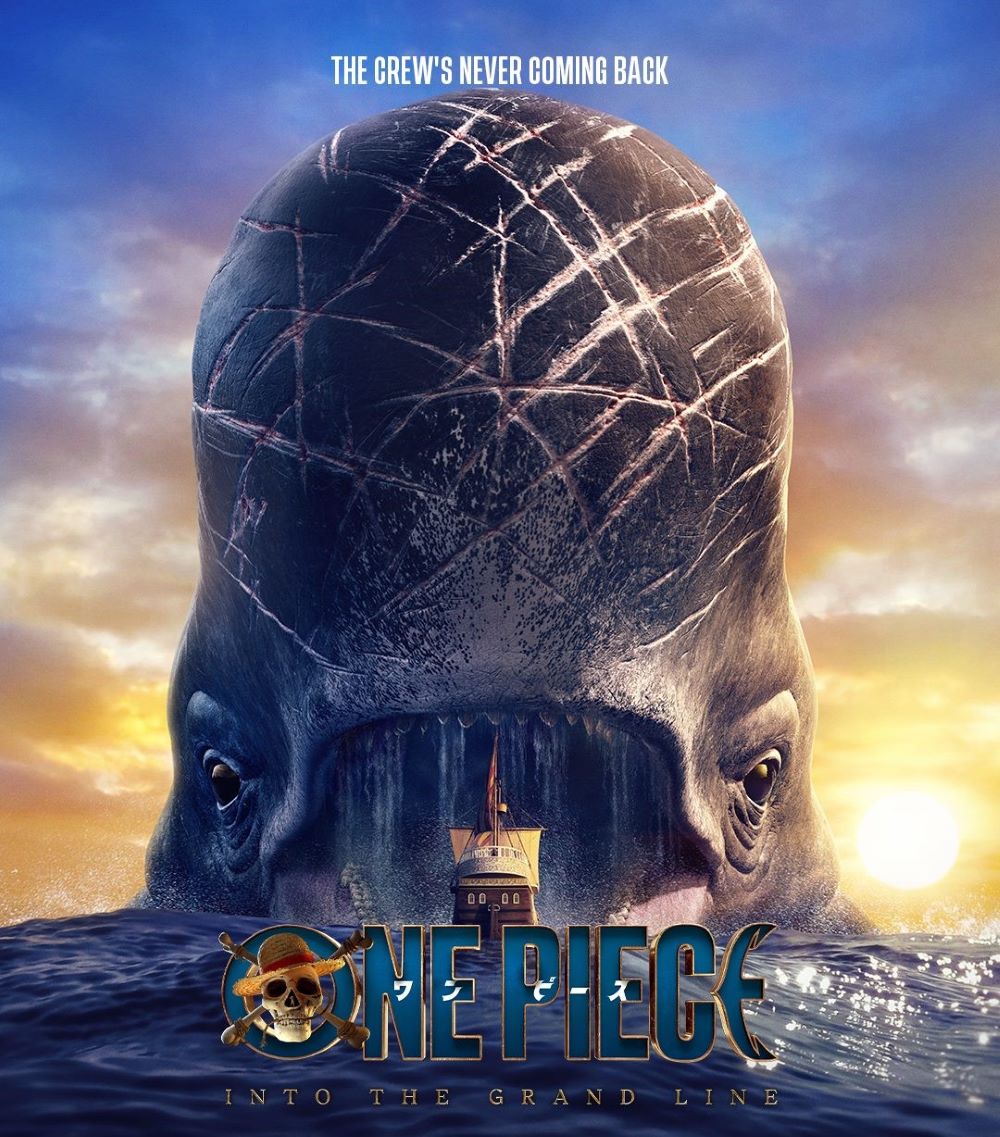
Good Whale Hunting is the first time this season where you can feel the adaptation relax into a single, weird, very One Piece idea: Reverse Mountain as a death trap, and a lovesick kaiju whale with abandonment issues. The sequence of the Going Merry grinding and climbing up the Grand Line’s infamous entry ramp is shot like a disaster movie: broken steering, a ship that’s very clearly outmatched by the environment, and a bunch of pirates who suddenly remember they’re not exactly seaworthy professionals. It’s a smart way to underline that, for all their wins in season 1, this crew is still held together with duct tape, vibes, and a rubber captain willing to literally turn himself into a human steering system just to survive the climb.

Once they crest Reverse Mountain and slam straight into Laboon, the episode goes full fairy tale without losing the slightly grounded texture the live‑action has worked hard to build. Splitting the cast—most of the crew trapped inside the whale while Luffy ends up outside on Twin Capes with Crocus—is a clever structural move because it lets the show alternate tones: goofy bickering and bafflement inside, melancholy exposition and quiet character beats outside. Clive Russell as Crocus brings that ornery performance the character deserves, playing him like the Grand Line’s grumpy lighthouse keeper therapist, always one snark away from sending these kids back down the mountain but clearly invested in both Laboon and their survival.

Laboon’s tragedy could have easily tipped into pure melodrama, especially in live action, but the episode mostly earns its feelings. The idea of a whale repeatedly smashing itself against a continent because it refuses to accept a broken promise is inherently big, almost mythic, and the show doesn’t overcomplicate it: Crocus explains the Rumbar Pirates’ disappearance, the Straw Hats process it in their own ways, and Luffy responds not with a speechifying monologue but with a mix of stubbornness and childlike logic. You can feel the writers leaning into what makes Luffy special as a live‑action protagonist—he doesn’t intellectualize the pain, he reframes it through action and a promise that’s simultaneously ridiculous and deeply sincere.

The Jolly Roger moment, where Luffy paints the Straw Hat symbol on Laboon’s head to give the whale a new “contract,” is the kind of scene that tests whether this adaptation can handle the manga’s emotional core. On paper, it’s almost absurd: the solution to suicidal grief is “don’t smash your head anymore or you’ll scuff my cool skull flag, and also, we’re totally coming back to have more adventures.” In practice, the actors sell the hell out of it—Luffy playing the clown and the knight in the same beat, Laboon responding like a giant, wounded kid, and the rest of the crew hovering between “this is insane” and “this is exactly why we follow this guy.”

As a follow‑up to the premiere, Good Whale Hunting also works as a mission statement for how season 2 plans to adapt the early Grand Line arcs. The pace is still accelerated compared to the anime, but not to the point where big emotional tentpoles get flattened into drive‑by cameos; Laboon and Crocus feel like a self‑contained short story inside a larger journey, not just obligatory canon boxes being ticked. The episode also builds up the Baroque Works roster by introducing Miss Wednesday and Mr. 9, which moves that plot point forward without derailing the Laboon storyline. The addition of these Baroque Works characters is done seamlessly, folded into the chaos of the Grand Line in a way that feels organic rather than forced.

Visually, the episode continues the show’s streak of making inherently cartoonish imagery feel tactile without draining it of personality. Reverse Mountain’s chaotic water physics, the internal “whale interior” sets, and Laboon himself all sit in that slightly heightened zone where you never fully forget you’re watching a fantasy, but you also buy the weight and texture of what’s on screen. Season 2’s budget seems to be focused in the right places too: the Grand Line feels bigger and more dangerous, and the effects work on Laboon gives him enough expressiveness that you’re not just staring at a big grey blob while the humans emote around him.

Performance‑wise, the core cast continues to feel more settled in their roles than they sometimes did back in the earliest episodes of season 1. Iñaki Godoy’s Luffy benefits a lot from material like this; you can see how much more comfortable he is playing the captain as both earnest idiot and moral center when the script gives him contained, character‑driven scenarios instead of just bouncing from fight to fight. The supporting Straw Hats get smaller individual spotlight moments here—this isn’t a huge Zoro or Nami showcase hour—but their reactions to Crocus, Laboon, Miss Wednesday, Mr. 9, and the sheer insanity of the Grand Line add warmth and humor that keep the episode from sinking under its own sadness.

The main fair criticism of both the premiere and Good Whale Hunting is that, because the season has to blaze through multiple arcs in eight episodes, some of the build‑up can feel like it’s happening off to the side. Loguetown’s significance as a turning point in pirate history, Smoker’s introduction as a real force of nature, and the mounting Marine pressure on the Straw Hats are all present but slightly undercooked compared to how much emotional space the anime gave them. For viewers who live and breathe the source material, that compression will always sting a bit, even when individual episodes like this one land emotionally.

Still, as a package—season 2’s two‑episode opening stretch capped by Good Whale Hunting—this is a strong re‑entry into the world of One Piece. The premiere lays the geopolitical and Marine groundwork, while episode 2 reminds you that this series survives or dies on whether you care about a whale with a broken heart and a captain who thinks the answer is a paint job and a promise. If you were worried the jump to the Grand Line would sand down the series’ weirder, more sentimental edges, this episode is a pretty clear sign the live‑action is still willing to get strange, sincere, and just a little bit corny in exactly the right ways.

One Piece: Into the Grand Line Season 2 Episodes

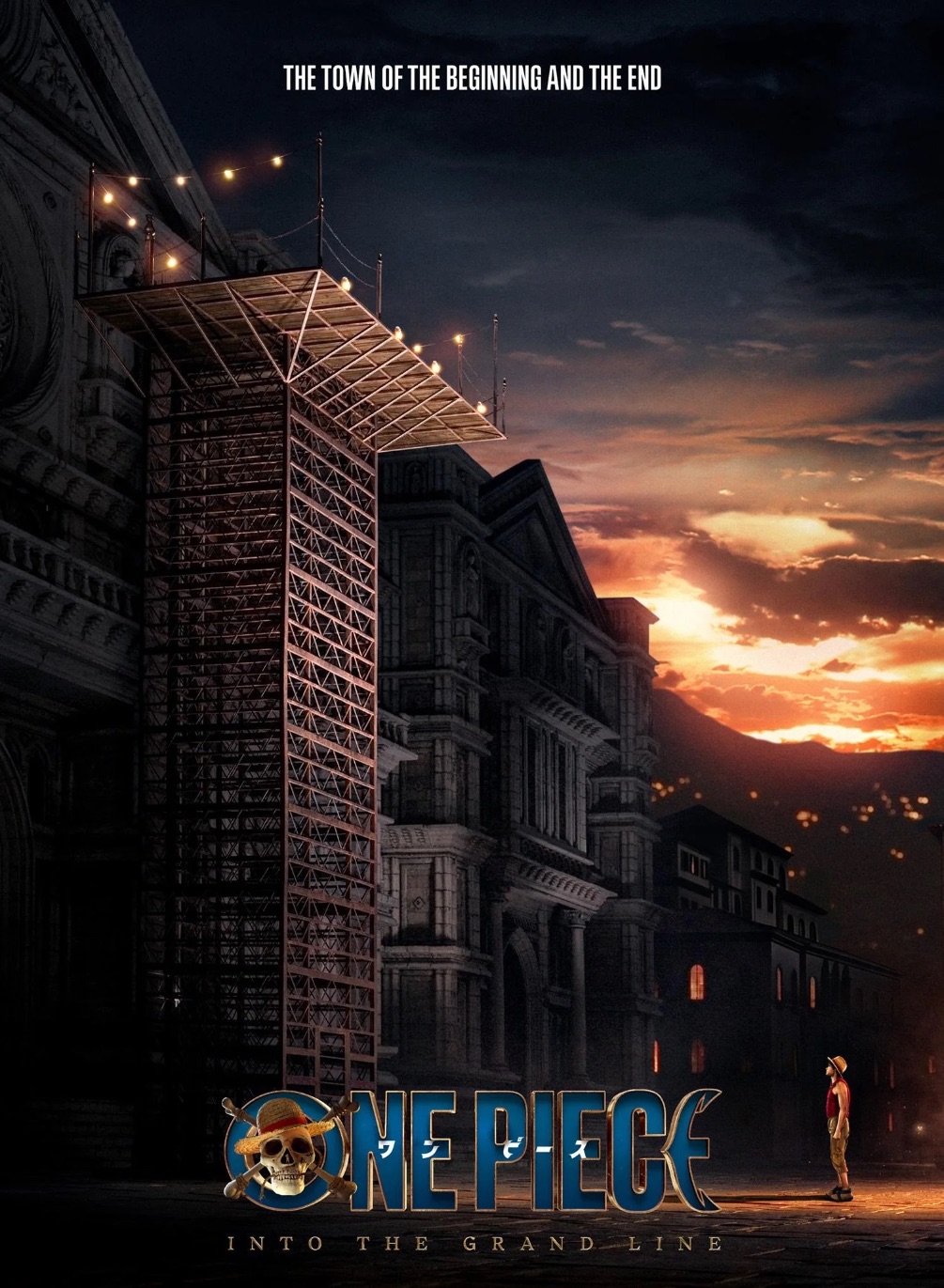
One Piece: Into the Grand Line (Season 2, Episode 1 “The Beginning and the End”) Review


“Don’t hold a father’s sins against his son. Blood doesn’t dictate destiny—everyone chooses their own path on this sea.” — Gol D. Roger

The Season 2 premiere of One Piece feels like a confident “we know what worked, and we’re doubling down” while also quietly admitting there’s still a long Grand Line of growing pains ahead. The episode is busy, sometimes overstuffed, but it’s rarely dull, and it mostly recaptures the scrappy charm that made Season 1 such an unexpected win for anime-to-live-action adaptations.

Season 2 picks up with the Straw Hats heading toward the Grand Line, and the show wastes no time reminding you how much the core ensemble carries this adaptation. Iñaki Godoy’s Luffy still feels like the glue: goofy, earnest, and occasionally dangerous in that “you can’t believe this idiot is a future legend” way that matches the spirit of the source without copying the anime’s louder extremes. Emily Rudd’s Nami and Mackenyu’s Zoro remain the show’s emotional and stoic anchors, respectively, and the premiere leans on their established dynamics rather than reinventing them. You feel like you’re hanging out with a crew that’s already lived together for a while, which is half the battle in making this world feel real.

The premiere’s biggest shift is structural. Season 2 is tasked with bridging Loguetown, Reverse Mountain, and the early Alabasta material, and you can feel the writers trying to thread a needle between faithfulness and streamlining. Instead of lingering on the smaller beats of each arc, the episode compresses them into a fast-moving chain of set pieces and character introductions. Loguetown becomes less a full-fledged arc and more a dense prologue to the Grand Line era, packed with Marines, pirate legends, and hints of the Revolutionaries. Depending on what you want from this adaptation, that’s either exciting or mildly frustrating.

On the positive side, the sense of scale is undeniably bigger. The Marines’ presence, especially with Smoker and Tashigi entering the mix, gives the premiere a sharper cat-and-mouse energy. Smoker arrives as a force of nature—less cartoonishly overpowered than in the manga, but still clearly the kind of threat that turns Luffy’s carefree adventuring into something riskier. The show smartly plays him as a guy who thinks he’s in a different, more serious story, which makes his clashes with the Straw Hats fun to watch. Tashigi, meanwhile, brings a softer, more idealistic edge that contrasts nicely with Zoro’s exhaustion with swordsmen who talk too much.

The premiere also continues the series’ habit of sliding in big-name players earlier than the manga did, and that’s where the episode gets more divisive. Nico Robin and Dragon show up as ominous presences in the larger world, giving you a clearer sense of the many factions circling this goofy rubber pirate. The upside is that it makes the One Piece universe feel interconnected sooner; casual viewers get a better roadmap of who matters long-term. The downside is that some of these appearances flirt with Marvel-style “universe building” more than organic storytelling. When every scene is either paying off an old setup or seeding three new ones, it can be tough to just sit in a moment and feel it.

Production-wise, Season 2’s extra time and budget show. The premiere gives Loguetown and the surrounding seas a lived-in, often cinematic atmosphere that outpaces Season 1’s more patchwork locations. Costumes continue to walk that tightrope between cosplay-accurate and functional; Smoker, in particular, looks like he walked straight out of a stylized military drama with just enough anime flair layered on top. The CGI still isn’t blockbuster-tier, but the show compensates with smart framing and selective use—powers and creatures are used to accent action, not dominate it, which keeps things from tipping into uncanny territory.

Action remains one of the adaptation’s better tools, even if it still doesn’t fully hit the insanity of Oda’s panels. The premiere emphasizes clarity over spectacle: you can actually follow where people are standing, how the fight geography works, and what the emotional stakes are. That’s a big improvement over a lot of modern genre TV. When Smoker crashes into the story or the Straw Hats get caught up in the chaos of Loguetown, the choreography sells impact even when the VFX can’t quite keep up with the wilder Devil Fruit abilities. You won’t mistake it for Hong Kong–tier action cinema, but it’s clean, readable, and character-driven, which matters more for this kind of swashbuckling adventure.

Where the episode stumbles most is pacing and tone. The premiere is under pressure to reintroduce the main cast, onboard new viewers, set up Loguetown, tease Reverse Mountain, and seed the Alabasta saga, all while dropping in cameos and lore nods for fans who know exactly where this is all heading. That leads to a few whiplash moments where the show jumps from lighthearted crew banter to life-or-death tension to ominous worldbuilding monologues in rapid succession. Season 1 sometimes had that problem too, but the stakes are higher now, and you can feel the strain.

Character-wise, the core Straw Hats come out of the premiere in good shape, but some of the supporting cast is still fighting for oxygen. Garp appears in a flashback, speaking to Gol D. Roger before he is sent to the gallows—a visit that teases the arrival of a future fan-favorite set for season 3. While it’s good to see that thread remain important, these cutaways occasionally feel like they belong to a spin-off series. That worked in Season 1 as a way to broaden the world; here, with even more plates spinning and new villains entering, it risks crowding an already packed episode. At the same time, those scenes help underline one of the show’s better instincts: it keeps asking what piracy and justice actually mean in a world this chaotic, rather than just treating the Marines as cartoon bad guys.

Thematically, the premiere starts nudging One Piece toward slightly heavier waters without losing its goofy heart. The looming Grand Line, the introduced Revolutionaries, and the presence of more morally gray Marines all hint at a story that will increasingly interrogate systems of power and inherited ideals. But the episode never forgets that this is, first and foremost, a story about a weird found family chasing impossible dreams. The crew’s conversations on the Going Merry, the small jokes, and the quiet beats where they process what lies ahead are what keep the whole thing grounded.

As a Season 2 premiere, this episode does its job: it reassures fans that the live-action experiment wasn’t a fluke, raises the narrative ceiling, and points the ship squarely at the Grand Line with confidence. It’s not flawless—worldbuilding occasionally overtakes character focus, the pacing can feel like a sprint, and not every early cameo lands as organically as it should. But if you liked Season 1’s mix of earnestness, scrappy visual ambition, and slightly awkward but heartfelt adaptation choices, this opener suggests you’re in for a bigger, messier, and still surprisingly sincere voyage. For a story built on the idea that chasing the horizon is worth the risk, that feels like the right kind of start.

Retro Television Reviews: The Failing of Raymond (dir by Boris Sagal)


Welcome to Retro Television Reviews, a feature where we review some of our favorite and least favorite shows of the past!  On Sundays, I will be reviewing the made-for-television movies that used to be a primetime mainstay.  Today’s film is 1971’s The Failing of Raymond!  It  can be viewed on YouTube!

Poor Raymond!

Played by a young Dean Stockwell, Raymond is patient at a mental hospital who blames everything that has gone wrong on his life on one failed test.  During his senior year of high school, he got a 61 on an English test and, as a result, he not only only failed the class but he also wasn’t allowed to graduate.  The test was administered by a substitute teacher named Mary Bloomquist (Jane Wyman), one who did not know that Raymond had a reputation for being a bit eccentric.  When Raymond tried to ask her whether or not the final two questions were for extra credit, Mary refused to call on him because she was more preoccupied with her failed affair with another teacher (Dana Andrews).  Raymond didn’t answer the final two questions, even though he believed that he had the correct answers.  Now, locked away in a hospital, Raymond comes across an article announcing that beloved teacher Mary Bloomquist will soon be retiring and moving to England.

Seeking revenge, Raymond escapes from the hospital.  While police Sgt. Manzek (Murray Hamilton) search for Raymond, Raymond returns to his old school.  When he finds Mary in her classroom, Mary mistakes Raymond for a mover responding to a classified ad asking for help in getting all of her things packed up.  Raymond may be a homicidal but he also craves direction and praise so he helps Mary with her packing.  As he packs, Mary talks about her decision to retire and it turns out that she’s not quite the monster that Raymond imagined her to be.  Mary is retiring because she feels that she has never made a difference as a teacher.

That said, Raymond is still determined to get his revenge.  He wants Mary to give him the test a second time and to give him a passing grade.  And if she doesn’t, he’s prepared to kill her.  Unfortunately, despite claiming to have spent years studying the material, Raymond still thinks that Robert Browning wrote the Rhyme of the Ancient Mariner.

As the old saying goes, you never know how much your actions might effect someone else’s life.  Mary is a dedicated and well-meaning teacher who cares about her students but her decision to fail Raymond, made on a day when she was distracted by her own personal problems, is something that Raymond has never forgotten or forgiven.  Mary can barely remember it happening but Raymond has based his entire life around that moment and, as the film progresses, it becomes clear that he’s incapable of understanding that the entire world doesn’t revolve around what happened to him during his senior year.  On the one hand, Mary definitely should have answered Raymond’s question about whether or not the final two questions were multiple choice.  On the other hand, Raymond has clearly been using the incident as an excuse to justify every mistake that he’s made sense.  Ironically, Raymond’s quest for revenge gives Mary the chance to finally be the teacher that she truly wants to be.

It’s an intriguing premise.  Unfortunately, like so many made-for-TV movies from the early 70s, The Failing of Raymond is occasionally a bit too stagey for its own good.  Despite only being 73 minutes long, it never really develops any sort of narrative momentum.  That said, Dean Stockwell gives a performance that makes clear why Alfred Hitchcock was planning on casting him as Norman Bates if Anthony Perkins somehow fell through.  As played by Stockwell, Raymond is unfailingly polite and so obviously wounded that it’s impossible not to feel sympathy for him, even when he’s threatening to kill his former teacher.  Jane Wyman, as well, gives a sympathetic performance as Mary, who, despite that one bad day with Raymond, really is the type of teacher we all wish we could have had.

This film was directed by Boris Sagal, who did several made-for-TV movies and also directed Charlton Heston in The Omega Man.  His daughter, Katey Sagal, makes her film debut in a small role as one of Raymond’s fellow patients.

Horror on the Lens: The Failing of Raymond (dir by Boris Sagal)


Raymond (Dean Stockwell) has just escaped from a mental hospital and he has only one thing on his mind.  Raymond wants revenge.  Having looked over the past events of his life, Raymond has figured out that things started to go downhill for him when he failed a test in high school.  He blames his failure on his old teacher, Mary Bloomquist (Jane Wyman).

At the same time that Raymond is escaping, Mary is planning her retirement.  She’s decided that she no longer wants to teach.  The job just doesn’t seem worth it anymore.  But Raymond has other ideas.  Raymond wants her to give him the same test that he failed ten years before.  And this time, Raymond wants her to pass him or else.

The Failing of Raymond is a made-for-TV movie from 1971 and it features a good performance from Jane Wyman and a great one from Dean Stockwell.  The film ultimately hinges on one question.  Did Raymond really fail that test or did Mary fail Raymond?

Enjoy!

Playing Catch-Up With 6 Mini-Reviews: Amy, Gloria, Pitch Perfect 2, Sisters, Spy, Trainwreck


Amy_Movie_Poster

Amy (dir by Asif Kapadia)

Amy opens with brilliant and, in its way, heartbreaking footage of a 14 year-old Amy Winehouse and a friend singing Happy Birthday at a party.  Even though she’s singing deliberately off-key and going over-the-top (as we all tend to do when we sing Happy Birthday), you can tell that Amy was a star from the beginning.  She’s obviously enjoying performing and being the center of attention and, try as you might, it’s impossible not to contrast the joy of her Happy Birthday with the sadness of her later life.

A star whose music touched millions (including me), Amy Winehouse was ultimately betrayed by a world that both wanted to take advantage of her talent and to revel in her subsequent notoriety.  It’s often said the Amy was self-destructive but, if anything, the world conspired to destroy her.  By focusing on footage of Amy both in public and private and eschewing the usual “talking head” format of most documentaries, Amy pays tribute to both Amy Winehouse and reminds us of what a great talent we all lost in 2011.

Gloria_(2014_Film_Poster)

Gloria (dir by Christian Keller)

The Mexican film Gloria is a musical biopic of Gloria Trevi (played by Sofia Espinosa), a singer whose subversive songs and sexual image made her a superstar in Latin America and challenged the conventional morality of Catholic-dominated establishment.  Her manager and lover was the controversial Sergio Andrade (Marco Perez).  The movie follows Gloria from her first audition for the manipulative Sergio to her arrest (along with Sergio) on charges of corrupting minors.  It’s an interesting and still controversial story and Gloria tells it well, with Espinosa and Perez both giving excellent performances.

Pitch_Perfect_2_poster

Pitch Perfect 2 (dir by Elizabeth Banks)

The Bellas are back!  As I think I’ve mentioned a few times on this site, I really loved the first Pitch Perfect.  In fact, I loved it so much that I was a bit concerned about the sequel.  After all, sequels are never as good as the original and I was dreading the idea of the legacy of the first film being tarnished.

But the sequel actually works pretty well.  It’s a bit more cartoonish than the first film.  After three years at reigning ICCA champions, the Bellas are expelled from competition after Fat Amy (Rebel Wilson) accidentally flashes the President.  The only way for the Bellas to get the suspension lifted is to win the World Championship of A Capella.  The plot, to be honest, really isn’t that important.  You’re watching the film for the music and the interplay of the Bellas and, on those two counts, the film totally delivers.

It should be noted that Elizabeth Banks had a great 2015.  Not only did she give a great performance in Love & Mercy but she also made a respectable feature directing debut with Pitch Perfect 2.

Sisters_movie_poster

Sisters (dir by Jason Moore)

It’s interesting how opinions can change.  For the longest time, I really liked Tina Fey and I thought that Amy Poehler was kind of overrated.  But, over the past two years, I’ve changed my opinion.  Now, I like Amy Poehler and Tina Fey kind of gets on my nerves.  The best way that I can explain it is to say that Tina Fey just seems like the type who would judge me for wearing a short skirt and that would get old quickly, seeing as how I happen to like showing off my legs.

Anyway, in Sisters, Tina and Amy play sisters!  (Shocking, I know.)  Amy is the responsible one who has just gotten a divorce and who wants to make everyone’s life better.  Tina is the irresponsible one who refuses to accept that she’s no longer a teenager.  When their parents announce that they’re selling the house where they grew up, Amy and Tina decide to throw one last party.  Complications ensue.

I actually had two very different reactions to Sisters.  On the one hand, as a self-declared film critic, it was easy for me to spot the obvious flaw with Sisters.  Tina and Amy should have switched roles because Tina Fey is simply not believable as someone who lives to have fun.  Sometimes, it’s smart to cast against type but it really doesn’t work here.

However, as the youngest of four sisters, there was a lot of Sisters that I related to.  I saw Sisters with my sister, the Dazzling Erin, and even if the film did not work overall, there were still a lot of little scenes that made us smile and go, “That’s just like us.”  In fact, I think they should remake Sisters and they should let me and Erin star in it.

Spy2015_TeaserPoster

Spy (dir by Paul Feig)

There were a lot of very good spy films released in 2015 and SPECTRE was not one of them.  In fact, the more I think about it, the more disappointed I am with the latest Bond film.  It’s not so much that SPECTRE was terrible as there just wasn’t anything particular memorable about it.  When we watch a film about secret agents saving the world, we expect at least a few memorable lines and performances.

Now, if you want to see a memorable spy movie, I suggest seeing Spy.  Not only is Spy one of the funniest movies of the year, it’s also a pretty good espionage film.  Director Paul Feig manages to strike the perfect balance between humor and action.  One of the joys of seeing CIA employee Susan Cooper (Melissa McCarthy) finally get to enter the field and do spy stuff is the fact that there are real stakes involved.  Susan is not only saving the world but, in the film’s best scenes, she’s having a lot of fun doing it and, for that matter, McCarthy is obviously having a lot of fun playing Susan and those of us in the audience are having a lot of fun watching as well.

Spy also features Jason Statham as a more traditional action hero.  Statham is hilarious as he sends up his own macho image.  Seriously, who would have guessed that he could such a funny actor?  Here’s hoping that he, McCarthy, and Feig will all return for the inevitable sequel.

Trainwreck_poster

Trainwreck (dir by Judd Apatow)

There’s a lot of great things that can be said about Trainwreck.  Not only was it the funniest film of 2015 but it also announced to the world that Amy Schumer’s a star.  It was a romantic comedy for the 21st Century, one that defied all of the conventional BS about what has to happen in a romcom.  This a film for all of us because, let’s just be honest here, we’ve all been a trainwreck at some point in our life.

But for me, the heart of the film was truly to be found in the relationship between Amy and her younger sister, Kim (Brie Larson).  Whether fighting over what to do with their irresponsible father (Colin Quinn) or insulting each other’s life choices, their relationship is the strongest part of the film.  If Brie Larson wasn’t already guaranteed an Oscar nomination for Room, I’d demand that she get one for Trainwreck.  For that matter, Amy Schumer deserves one as well.

Seriously, it’s about time the trainwrecks of the world had a film that we could truly call our own.