The American Streets


by Erin Nicole

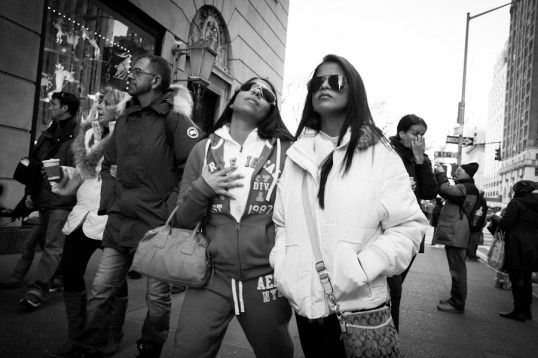
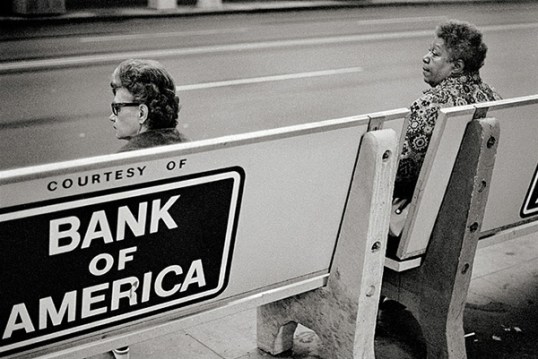
For this 4th of July, let’s consider the diversity of America with these 12 wonderful examples of American street photography!

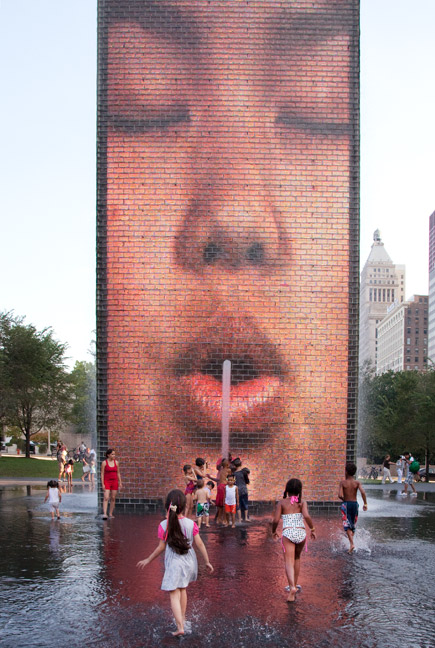
Photography by Andrew Sweigart

Photograph by Andrew Sweigart

by Carol Highsmith

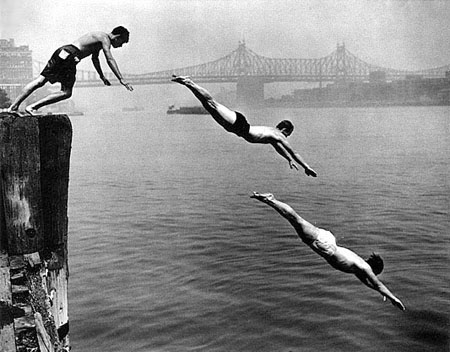
Photography by Arthur Leipzig

Photograph by Arthur Leipzig

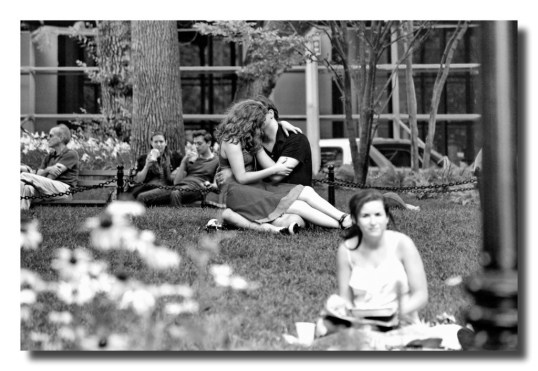
Photograph by Arthur Tressman

Photograph by Arthur Tressman

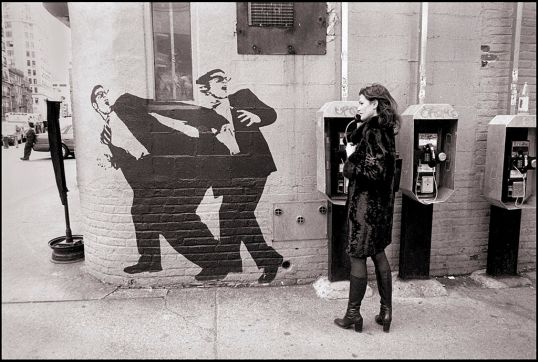
Photograph by David Lewis Baker

Photograph by David Lewis Baker

Photograph by Eddie Wexler

Photograph by Eddie Wexler

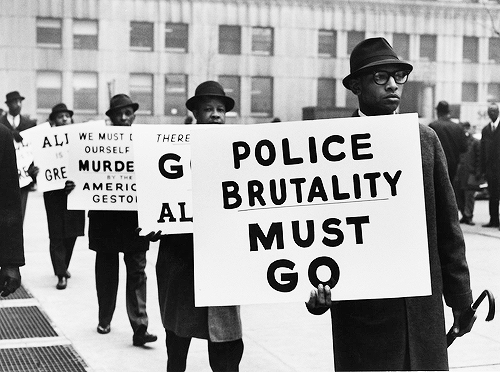
by Gordon Parks

Photograph by James Maher

Photograph by James Maher

Photograph by Robert M. Johnson

Photograph by Robert M. Johnson

Photograph by Troy Holden

Photograph by Troy Holden

Photograph by James Maher

Photograph by James Maher

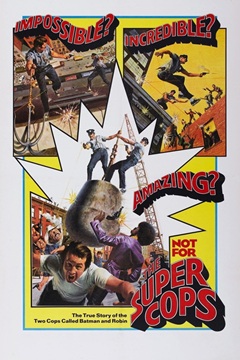
The Super Cops (1974, directed by Gordon Parks)


David Greenberg (Ron Liebman) and Robert Hantz (David Selby) are two tough and smart New York City cops who become detectives and play by their own rules.  They make arrests off-duty.  They drive their lieutenants crazy.  They bust drug dealers and prostitutes and single-handedly clean up their police precinct.  They’re the Super Cops and they’re even nicknamed Batman and Robin.  When they throw punches, a graphic “POW” appears on screen with a sound effect.

There’s an old saying about how, when the truth is different from the legend, always print the legend.  That’s certainly the case here.  The real-life David Greenberg went into politics and ended up doing time for mail fraud, insurance fraud, and obstruction of justice.  Robert Hantz was busted for possessing marijuana while he was on vacation in the Bahamas.  The arrest led to a demotion and Hantz quit the force as a result.  The film hints at Greenberg and Hantz’s involvement with the Knapp Commission, which investigated police corruption in the 70s.  (Lisa wrote about it when she reviewed Serpico.)  But the film does not mention that the Knapp Commission suspected that Greenberg and Hantz murdered two drug dealers.

You don’t get any of that with The Super Cops, which tries to mix the grittiness of films like The French Connection, The Seven-Ups, and Serpico with moments of cartoonish comedy and it really doesn’t work.  (Years after The Super Cops was released, Hill Street Blues proved that gritty drama and dark comedy could be mixed but it has to be done just right.)  Ron Liebman overacts while David Selby doesn’t seem to be acting at all.  (Liebman and Selby are both good actors but you wouldn’t know that from this movie.  For Liebman, I suggest checking out his performance in Night Falls On Manhattan.  For Selby, I recommend an overlooked dark comedy called Headless Body in Topless Bar.)  It’s hard to believe that Gordon Parks went from doing Shaft to doing this.  Shaft would have tossed the Super Cops through a window.  Popeye Doyle would have given him an assist.

There is one good thing to note about The Super Cops.  Edgar Wright is a fan of this film and it partially inspired the far superior Hot Fuzz.
 

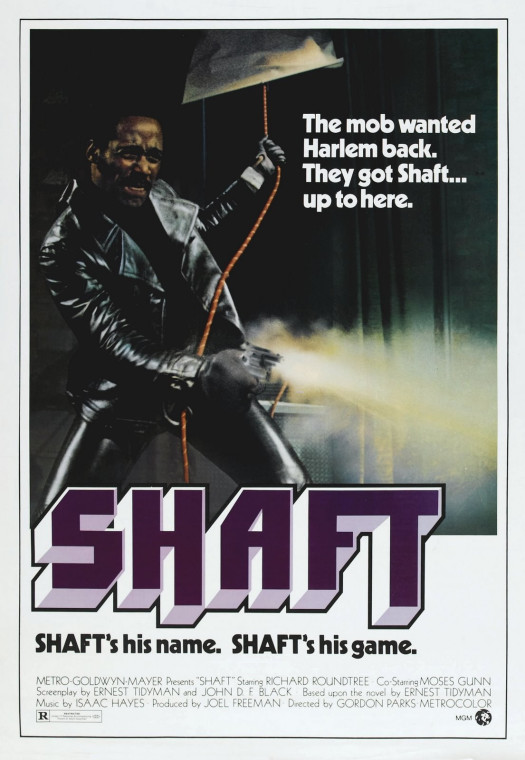
That’s Blaxpolitation! 12: SHAFT (MGM 1971)


gary loggins's avatarcracked rear viewer

“That Shaft is a bad mother…”

“Shut your mouth!”

“But I’m talkin’ about Shaft”

“We can dig it!”

  • – lyrics from Isaac Hayes’ “Theme from SHAFT

1971’s SHAFT, starring Richard Roundtree as “the black private dick that’s a sex machine to all the chicks”, is the movie that kicked off the whole 70’s Blaxploitation phenomenon.  Sure, Mario Van Pebbles’ indie SWEET SWEETBACK’S BADASSSSS SONG was released three months earlier, but it’s X-rating kept younger audiences out of the theaters. SHAFT reached more people with it’s R rating, and the publicity machine of MGM behind it. In fact, John Shaft not only saved the day in the film, but helped save the financially strapped MGM from bankruptcy!

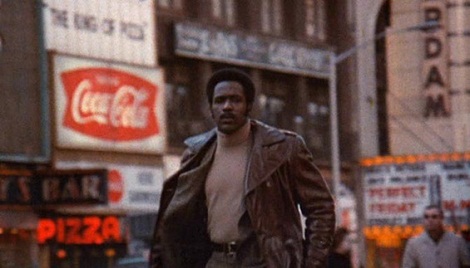
The opening sequence alone makes it worth watching, as the camera pans down the gritty mean streets of New York City (42nd Street, to be exact!) and that iconic funky theme song by Isaac…

View original post 458 more words

Artist Profile: Gordon Parks (1912 — 2006)


1 Self-Portrait

Self-Portrait by Gordon Parks

Born and raised in segregated Fort Scott, Kansas, Gordon Parks was eleven years old when three white boys tossed him into the Marmaton River, knowing that he couldn’t swim.  Parks ducked underwater until the boys left so that they would not see him make it to land.  When Parks told his teachers that he wanted to go to college, he was told that it would be a waste of money.  After his mother died, a 15 year-old Parks found himself living on the streets and struggling to survive.  He worked as a singer, a piano player, a busboy, and even in a few brothels.  It was while working as a waiter in a railroad dining car that he first saw the photographs in magazines and realized that he wanted to be a photographer.

Parks was 25 when he bought his first camera and soon, he was both documenting everyday African-American life and working as a fashion photographer.  At a time when segregation was still the law of the land, Parks became one of the most prominent and acclaimed photojournalists in America.  Parks would eventually branch out into film directing, becoming the first African-American to direct a major studio film when, in 1969, he directed The Learning Tree for Warner Bros.

Below is a small sampling of Gordon Parks’s work.

American Gothic Washington D.C.betsybrett-20090616122427-1956_Gordon_Parks__2_-originalfashiongordon3gordon-parks-4-1014x487gordon-parks-issues-in-black-and-white-ethel-sharrief-elijah-mohammeds-daughter-chicago-1963Ingrid BergmanMalcom X

Protestslide_396436_4867418_freeslide_396436_4867428_freeslide_396436_4867436_free