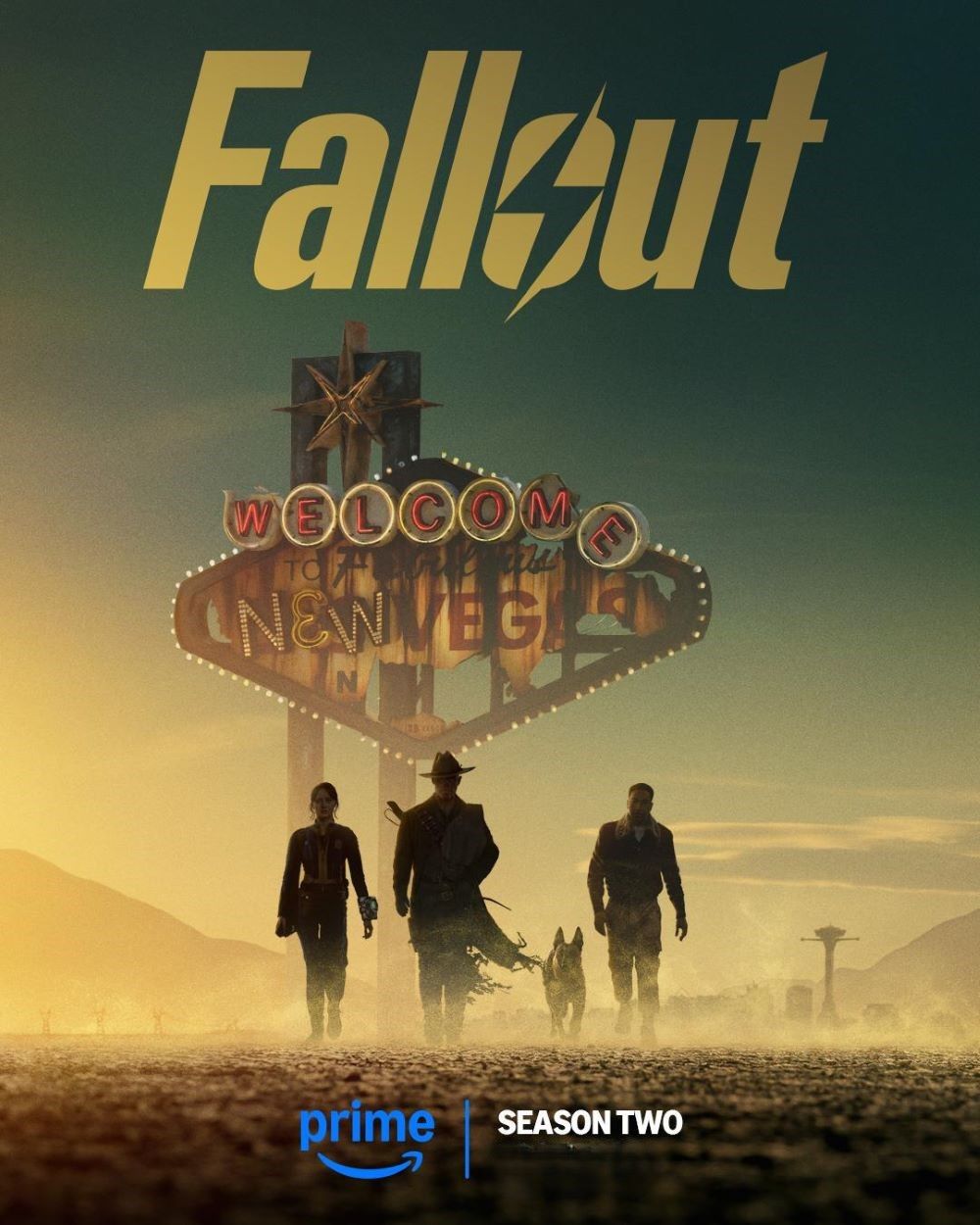
“Empathy is like mud. You lose your boots in that stuff. Folks been screaming for two hundred years.” — The Ghoul
Fallout season 2, episode 2, titled “The Golden Rule,” eases the series back into its wasteland rhythm with a blend of tense character moments and signature post-apocalyptic absurdity. It’s not the flashiest hour, but it builds tension steadily through moral dilemmas and faction intrigue, rewarding patient viewers with hints of bigger conflicts ahead.
The episode weaves a tapestry of power struggles and ethical compromises across its split storylines. Maximus navigates the Brotherhood’s ruthless internal games, Lucy and the Ghoul debate the cost of mercy in a brutal world, and Norman from Vault 31 leads survivors peeling back more of the pre-war conspiracy’s ugly layers. At its core, it’s about testing how long personal codes hold up when survival demands compromise, forcing characters to confront who they’re really fighting for.
Maximus’s thread packs the most immediate emotional wallop, trapping him in a brutal boxing tournament that’s equal parts ritual and execution. What starts as a show of unity ends with him forced to kill a fellow Knight under the roar of the crowd, stripping away any lingering loyalty to the Brotherhood. His face after the win—drained and distant—captures the hollowness of victory in a machine that chews up its own, turning a grunt’s ambition into quiet tragedy.
The arrival of one of the new faces, Kumail Nanjiani as the slick Paladin Xander Harkness from the Commonwealth, shakes things up right after the fight. His cocky demeanor and whispers of a brewing civil war ripple through the ranks, pulling Maximus from personal survival into something that feels like the edge of a larger schism. It’s a clever escalation that promises fireworks without tipping its hand too soon.
Meanwhile, Lucy and the Ghoul’s road trip revisits old ground, which could feel like treading water if not for the sharp dialogue and escalating stakes. Their clash over stopping to help screams familiar—they clash over optimism versus cynicism, split paths briefly, then reconvene out of necessity—but it deepens their mismatched partnership. A hospital pitstop turns sinister fast, revealing ties to a slaver faction straight out of the game’s lore, where good intentions lead straight into ambush territory.
The Ghoul’s rant about empathy weighing you down like dead weight lands with his usual bite, but Lucy’s frustration with his cryptic warnings flips the script, painting his toughness as half selfishness. Their chemistry carries it, turning repetition into a believable cycle of two scarred people circling trust. And that massive radscorpion brawl? Pure adrenaline-fueled chaos, a hulking nightmare that embodies the wasteland’s random cruelty and gives the duo a shared “not today” win.
Shifting underground, Norman delivers pitch-black satire as he guides cryogenically thawed junior executives who wake up clueless and entitled in the apocalypse. They’re all petty squabbles and status games amid the ruins, a perfect skewer of corporate rot that outlasted the bombs. His scramble for leadership mixes fumbling comedy with a poignant glimpse of awe at the surface world, humanizing the bunker farce while his companions gripe like it’s a bad vacation.
Elsewhere, the pre-war corporate angle simmers darkly, with hints that ongoing “work” stems from a deliberate architecture of doom. It’s subtler than the surface mayhem, but it reinforces the show’s thesis: the end times weren’t random fallout, but a branded catastrophe whose machinery still grinds on.
Pacing strikes a deliberate balance, advancing multiple fronts without rushing payoffs, which suits the serialized vibe but might test newcomers. It prioritizes atmosphere over non-stop action, letting ironic humor—like deadly fights dressed as bonding or doomsday treated as HR drama—bridge the quieter beats. The result feels immersive, like wandering the game’s open world rather than railroading through quests.
Visually and tonally, the episode nails Fallout‘s essence: gritty practical effects, cluttered retro-futurism, and violence that shocks without overkill. Costumes evoke lived-in lore, from power armor gleam to faction garb, while the humor undercuts horror just enough to keep it addictive.
In the end, Fallout season 2, episode 2 is sturdy groundwork that shines in its character crucibles and world-deepening touches. Maximus’s ring of fire and Norman’s Vault meltdown stand tallest, while the road warriors deliver sparks amid echoes. The radscorpion frenzy injects raw thrill, priming the pump for faction clashes ahead. Not a lone-wolf classic, but a smart piece in a sprawling puzzle—fairly balanced, casually compelling, and true to the franchise’s warped heart.
 Through the Shattered Lens