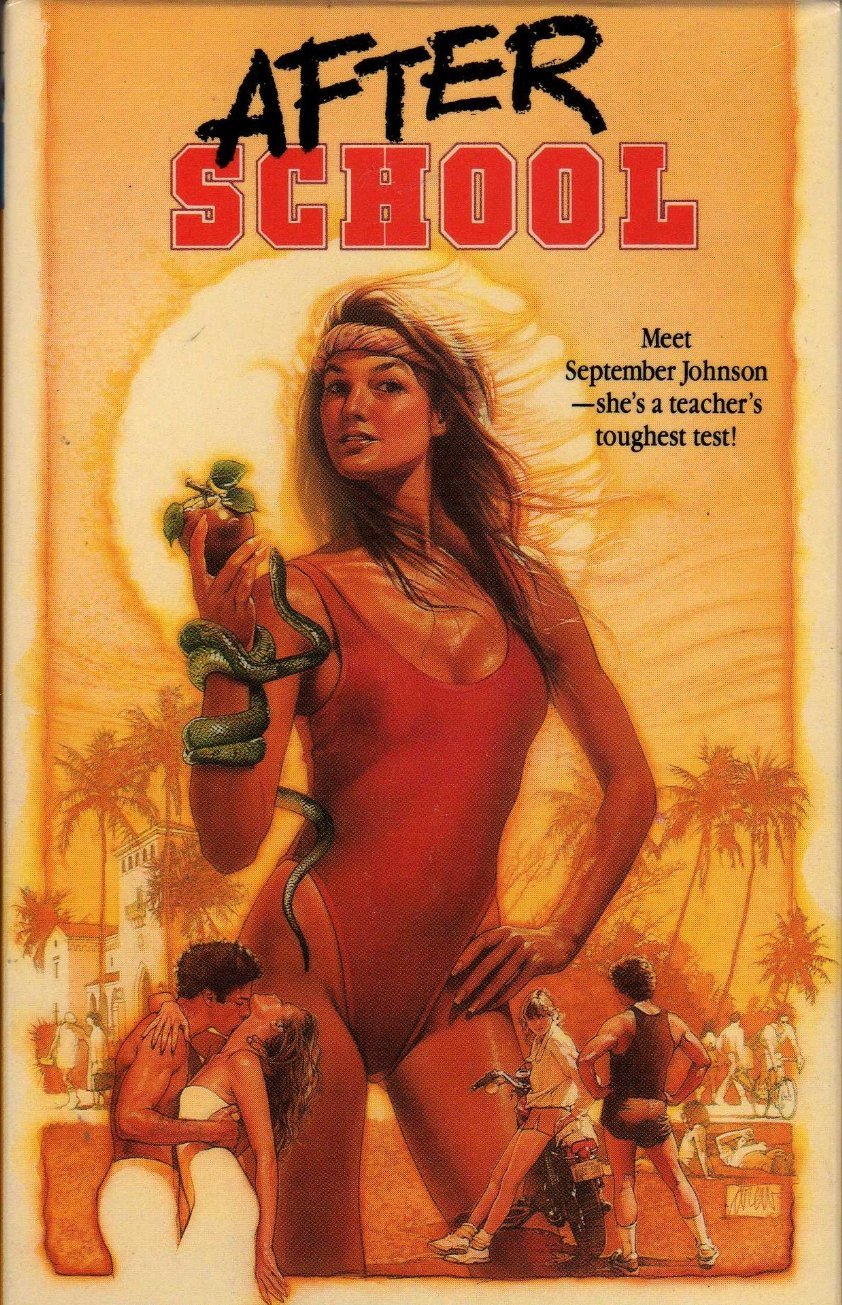
After School is a strange “what were they thinking?” type of movie. It’s also probably the only movie to end with a religious debate that’s moderated by Dick Cavett.
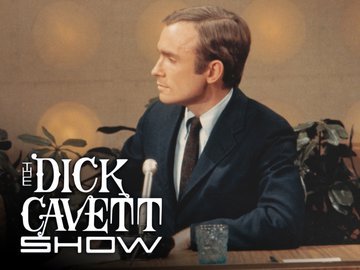
Cavett plays himself. In this film, he still has a talk show and one of his guests is going to be C.A. Thomas (Robert Lansing), a former priest who has written a novel claiming that man created God and not the the other way around. Cavett has reached out to the Catholic Church to ask them to send someone to represent their views on the show.
For reasons that are never clear, the Church selects Father Michael McClaren (Sam Bottoms), who teaches at a college in Florida. Father McClaren is youngish and he rides a motorcycle, which the monsignor thinks will appeal to younger viewers of Cavett’s show. (Did The Dick Cavett Show have younger viewers?) Because Dick Cavett is legendary for investigating the pasts of all of his guests (that’s what they say in the movie, anyway), another priest is sent down to Florida to make sure that Father McClaren does not have any skeletons in his closet.
At first, Father McClaren seems to be perfect but it turns out that he’s having a crisis of faith. It’s not just that the local bikers don’t have much respect for a priest, even when who does ride a bike. It’s also that he’s become attracted to one of his students, the improbably-named September Lane (Renee Coleman). It doesn’t take the movie long to settle into a familiar pattern of September coming on Father McClaren and then Father McClaren having to run off so that he can pray for strength.
So far After School might sound like a typical movie about a priest being tempted to break his vows. However, what sets After School apart from other films of its type is that there are frequent scenes featuring a group of cavemen living in prehistoric times. It’s never really made clear why the cavemen are in the film. The main caveman yells a lot and there’s a scene with a snake that suggests that he might live in the Garden of Eden. (The movie was originally released under the title Return to Eden.) There’s also several naked cavewomen who are in the film so that they can be ogled by the cavemen. Oddly, the cavepeople scenes are full of broad comedy while the rest of the movie takes itself fairly seriously.
Why are the caveman there and what does it have to do with Dick Cavett? Who knows? That’s one of the many unanswered questions to be found in After School. When C.A. Thomas and Father McClaren do finally meet on the Dick Cavett Show, they debate the origins of mankind. Neither one has nothing new to say on the subject. Even though everything that C.A. Thomas says sounds like New Age gobbledygook, Father McClaren proves himself to be incapable of countering him.
I don’t know what the point of After School was. There were so any scenes, like one in which Father McClaren attends an aerobics class, that didn’t seem to have any purpose. September’s lust for Father McClaren never makes any sense and his sudden declaration of love makes even less. Even if you can make sense of all that, there’s still the cavemen and Dick Cavett to deal with.
After School thinks that it is about something but who knows what?
 Through the Shattered Lens