4 Shots From 4 Films: Special Oscar Micheaux Edition


4 Or More Shots From 4 Or More Films is just what it says it is, 4 shots from 4 of our favorite films. As opposed to the reviews and recaps that we usually post, 4 Shots From 4 Films lets the visuals do the talking!

139 years ago today, Oscar Micheaux was born in Metropolis, Illinois.  After working in several different jobs and writing a few novels, Micheaux would become the first African-American to produce and direct a feature length film and, later, a sound feature length film.  He began his directorial career in 1919 and continued it throughout the sound era, often making films that were meant as a response to the films that were coming out of Hollywood.  (For example, 1920’s Within Our Gates was meant to answer and condemn the racism of The Birth of a Nation.)  At a time when blacks were usually only used for comedic relief and when it wasn’t uncommon for white actors to wear blackface on screen, Micheaux created an alternative film industry and, along the way, he gave early and rare starring roles to black actors like Paul Robeson.

Micheaux distributed the majority of his films himself and, unfortunately, the majority of them have been lost.  The ones that survive were often hampered by their low budgets but they still provide a view into African-American life in the early days of the 20th Century.  As well, Micheaux was one of the first successful “independent” filmmakers.  Working without the support of the major studios, Micheaux still did what he had to do to share his vision with audiences.

It’s time for….

4 Shots From 4 Oscar Micheaux Films

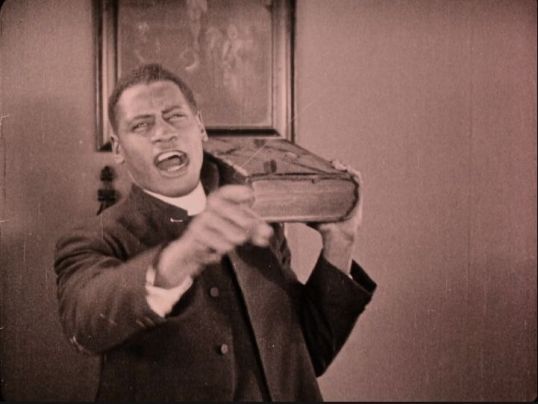
Within Our Gates (1920, dir by Oscar Micheaux)
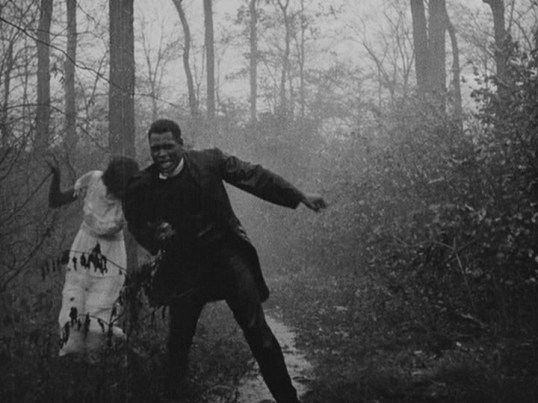
Body and Soul (1925, dir by Oscar Micheaux)
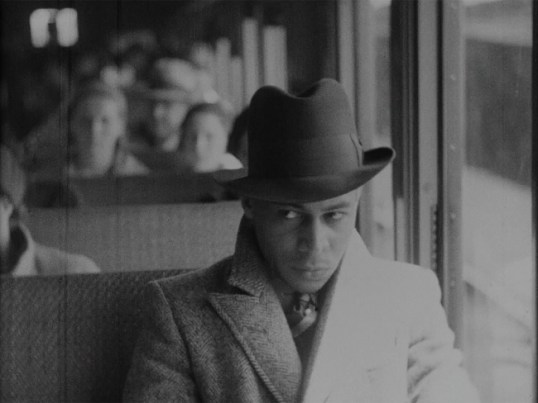
10 Minutes To Live (1932, dir by Oscar Micheaux, DP: Lester Lang)
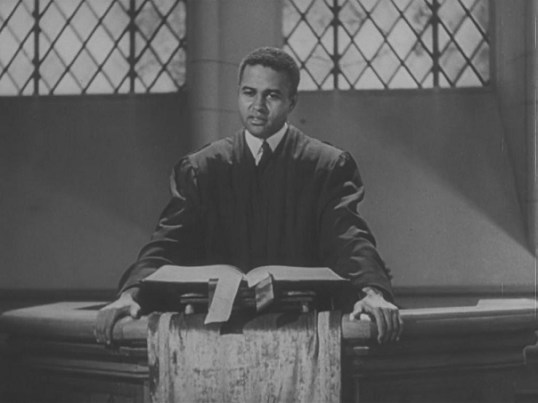
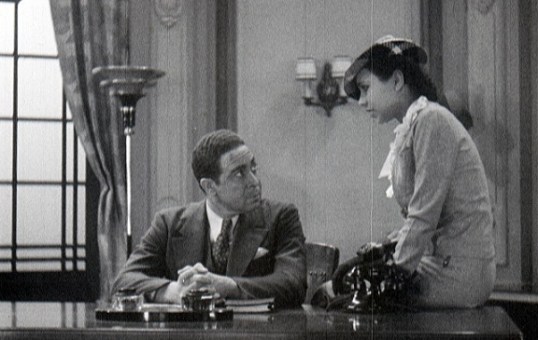
Harlem After Midnight (1935, dir by Oscar Micheaux)
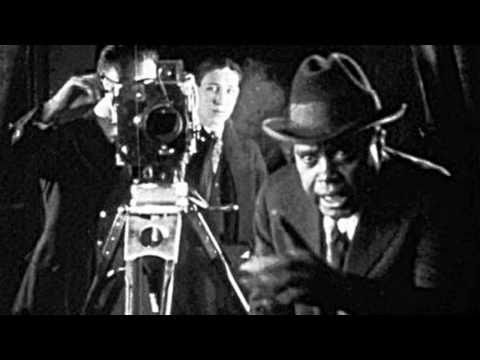
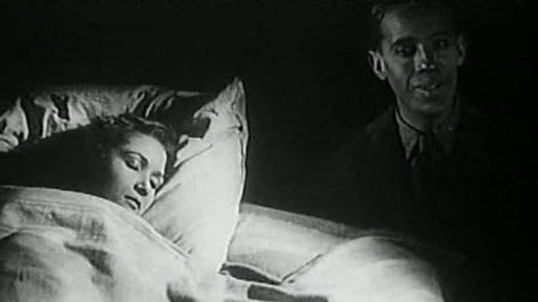
4 Shots From 4 Oscar Micheaux Films


4 Or More Shots From 4 Or More Films is just what it says it is, 4 shots from 4 of our favorite films. As opposed to the reviews and recaps that we usually post, 4 Shots From 4 Films lets the visuals do the talking!

One hundred and thirty-eight years ago, on this date in 1884, Oscar Micheaux was born in Metropolis, Illinois.  Starting his career as a writer and an investor, Oscar Micheaux eventually moved into the film industry.  At a time when theaters were still segregated and black characters were regularly portrayed by white actors in blackface, the African-American Micheaux founded his own studio, financed his own movies, and distributed them himself.  Micheaux’s films dealt directly with themes of systemic racism and the struggle of blacks to get ahead in American society.  Many of Micheaux’s early films were designed as an “answer” to D.W. Griffith’s Birth of a Nation  while his later films deal with themes of inequality and corruption among both the police and the clergy.

Micheaux gave roles to talented black performers like Paul Robeson, actors who faced limited prospects in Hollywood during the silent and early sound eras.  (Even the white characters in Micheaux’s films were played by light-skinned blacks, a reverse of Hollywood’s unofficial policy of using white actors in dark makeup to play black characters.)  Unfortunately, many of Micheaux’s films are now lost but the few films that remain present a look at black life in America during the early decades of the 20th century.

In honor of the man and his legacy, Through the Shattered Lens presents….

4 Shots From 4 Oscar Micheaux Films

WIthin Our Gates (1920, dir by Oscar Micheaux)

The Symbol of the Unconquered (1920, dir by Oscar Micheaux)

Body and Soul (1925, dir by Oscar Micheaux)

Murder in Harlem (1935, dir by Oscar Micheaux)

The Seventh Annual Academy Awards: 1920


Over on Through the Shattered Lens Presents the Oscars, we are reimagining Oscar history, one year at a time. Today, we take a look at 1920. Prohibition goes into effect, women finally get the right to vote, Harding is elected President, D.W. Griffith finally gets some recognition, and Fatty Arbuckle is the most popular man in Hollywood!

Lisa Marie Bowman's avatarThrough the Shattered Lens Presents The Oscars

William S. Hart, the Third President of AMPAS William S. Hart, the Third President of AMPAS

1920 was a year of many changes.

On January 16th, the 18th Amendment went into effect and prohibition became the law of the land.  Suddenly, it was illegal to transport and sell alcohol in the United States.  As social reformers rejoiced, the government grew and ordinary citizens started to hoard whatever liquor they had.  (Selling alcohol was illegal but drinking it was not.)  Perhaps the people happiest about prohibition were the gangsters who now had a totally new market to exploit.

On August 26th, the 19th amendment to the U.S. Constitution passed and, finally, all women were granted the right to vote.  And it came not a minute too late because it was time for the United States to elect a new president.  Weary after the nonstop drama of  8 years of Woodrow Wilson, the American electorate turned to Warren…

View original post 1,342 more words