“A man dies when he is forgotten… as long as someone remembers you, you never truly die,” — Dr. Hiriluk
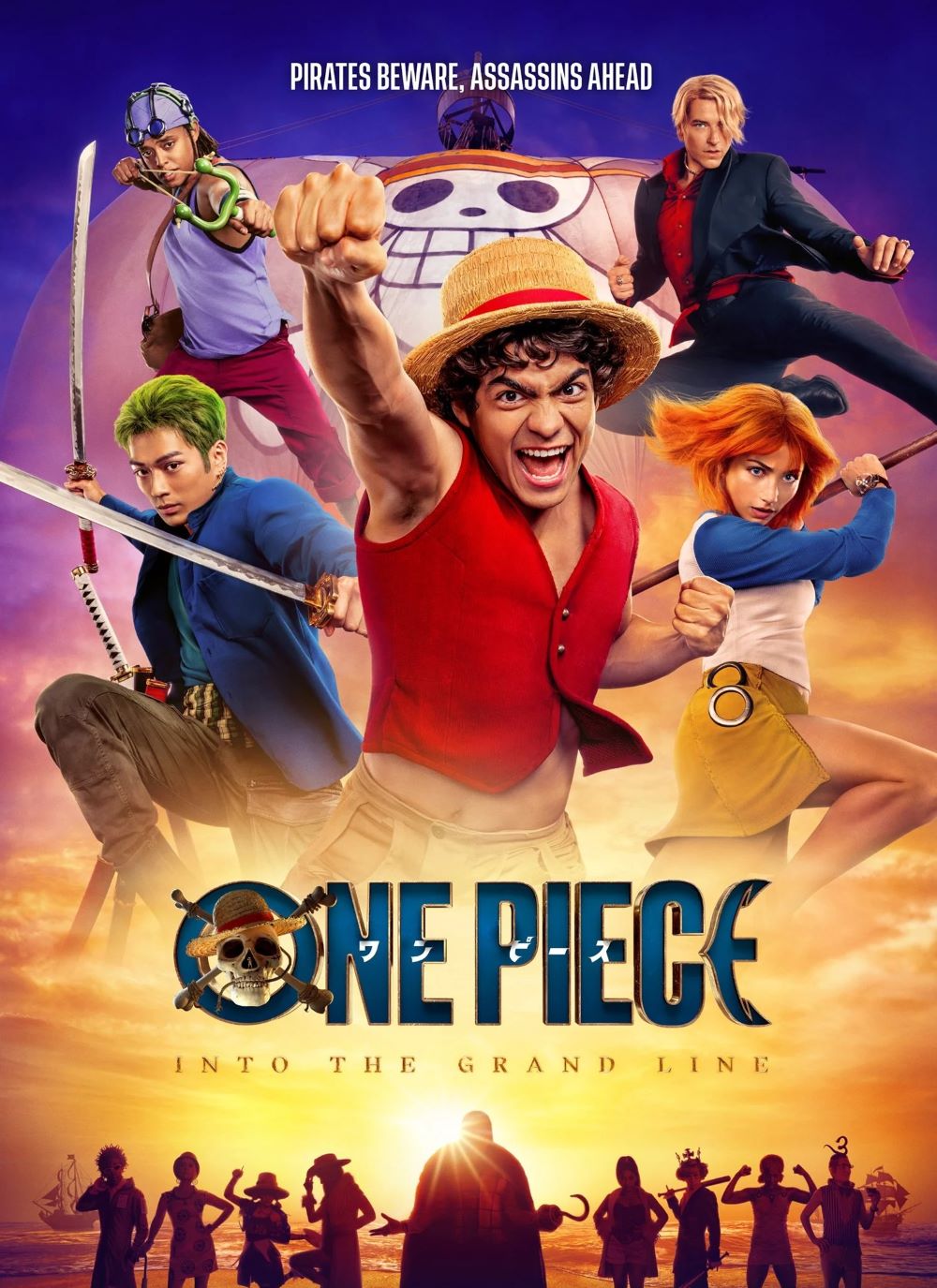
Netflix’s One Piece live-action sails into its second season with a lot more swagger, a lot more snow, and just enough rough edges to keep the debate interesting instead of purely celebratory. Season 2, subtitled Into the Grand Line, takes the Straw Hats from Loguetown through Reverse Mountain, Whisky Peak, Little Garden, and finally Drum Island, and you can feel the creative team leaning into the idea that season 1’s success wasn’t a fluke. It’s bigger, louder, more emotionally direct, and also a bit more overstuffed, but the core mix of sincerity, goofiness, and found-family melodrama still mostly works in live action.
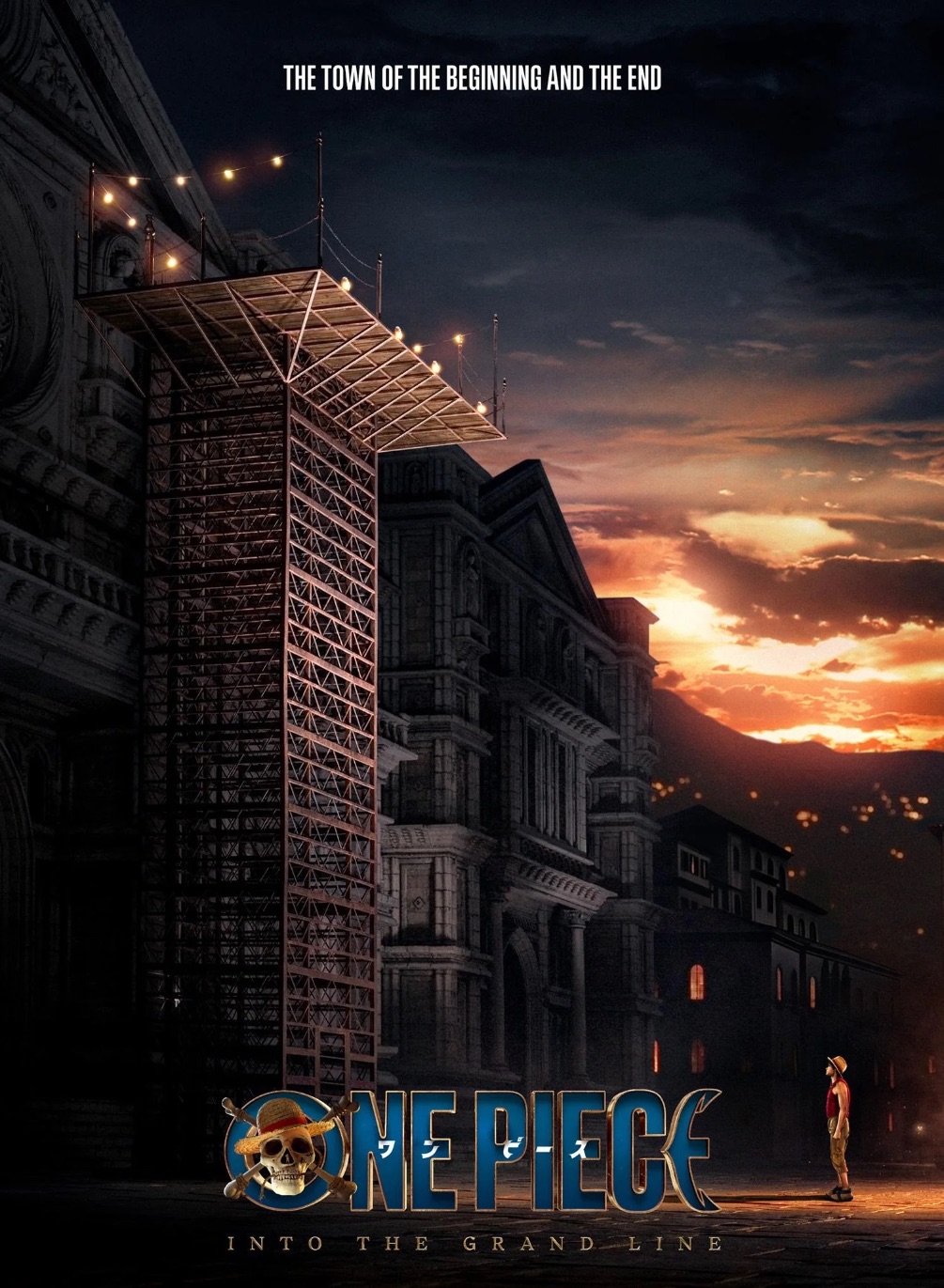
The early stretch, especially episode 1, comes out swinging like the writers have a checklist of “stuff we have to set up before the Grand Line” and they’re determined to cram it all into a single opening salvo. Loguetown gets positioned as both a victory lap for the season 1 crew and a promise that the stakes are rising; you’ve got the looming execution platform, the legacy of Gol D. Roger, and the Marines closing in from multiple angles. Smoker and Tashigi are introduced as new Marine threats, and while they’re not as absurdly overpowered as their manga counterparts, their presence immediately shifts the atmosphere from “wacky pirate road trip” to “you’re on borrowed time, kids.” The result is an opener that’s busy to the point of clutter, but rarely boring, and it reassures you that the show still understands the scrappy, earnest energy that made season 1 feel like a minor miracle.
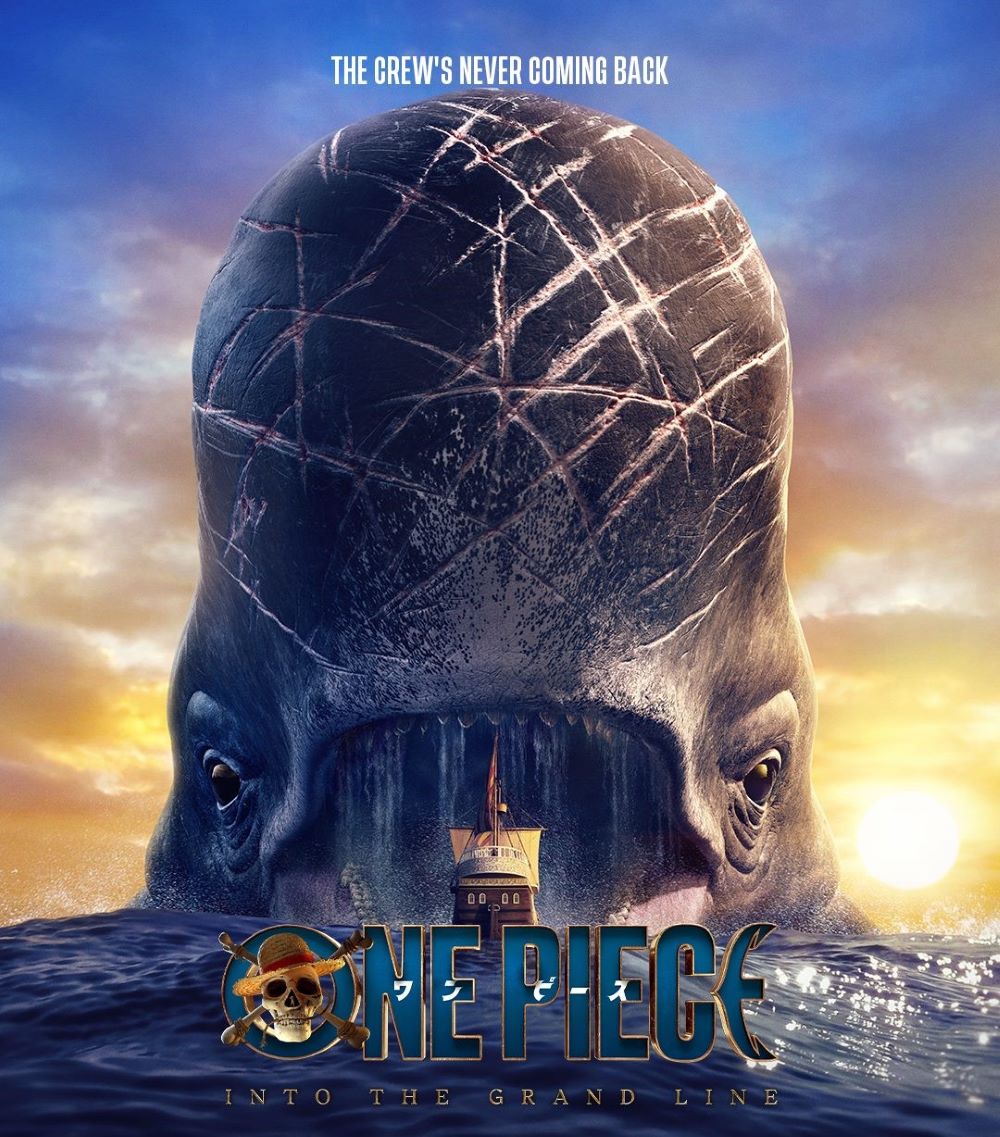
Once the Going Merry officially commits to the Grand Line, the season loosens up and starts having fun with its new sandbox. Reverse Mountain and Laboon give you that classic One Piece blend of absurdity and heartache: a giant whale with abandonment issues, a sea route that wants to kill you on the way in, and a protagonist who treats impossible odds like minor inconveniences. The adaptation trims and rearranges details from the manga, but the emotional throughline—Luffy refusing to dismiss someone else’s pain as a joke—still lands. Visually, the show takes advantage of wild weather and vertical ship movement to signal that Netflix has clearly opened the purse strings a bit.
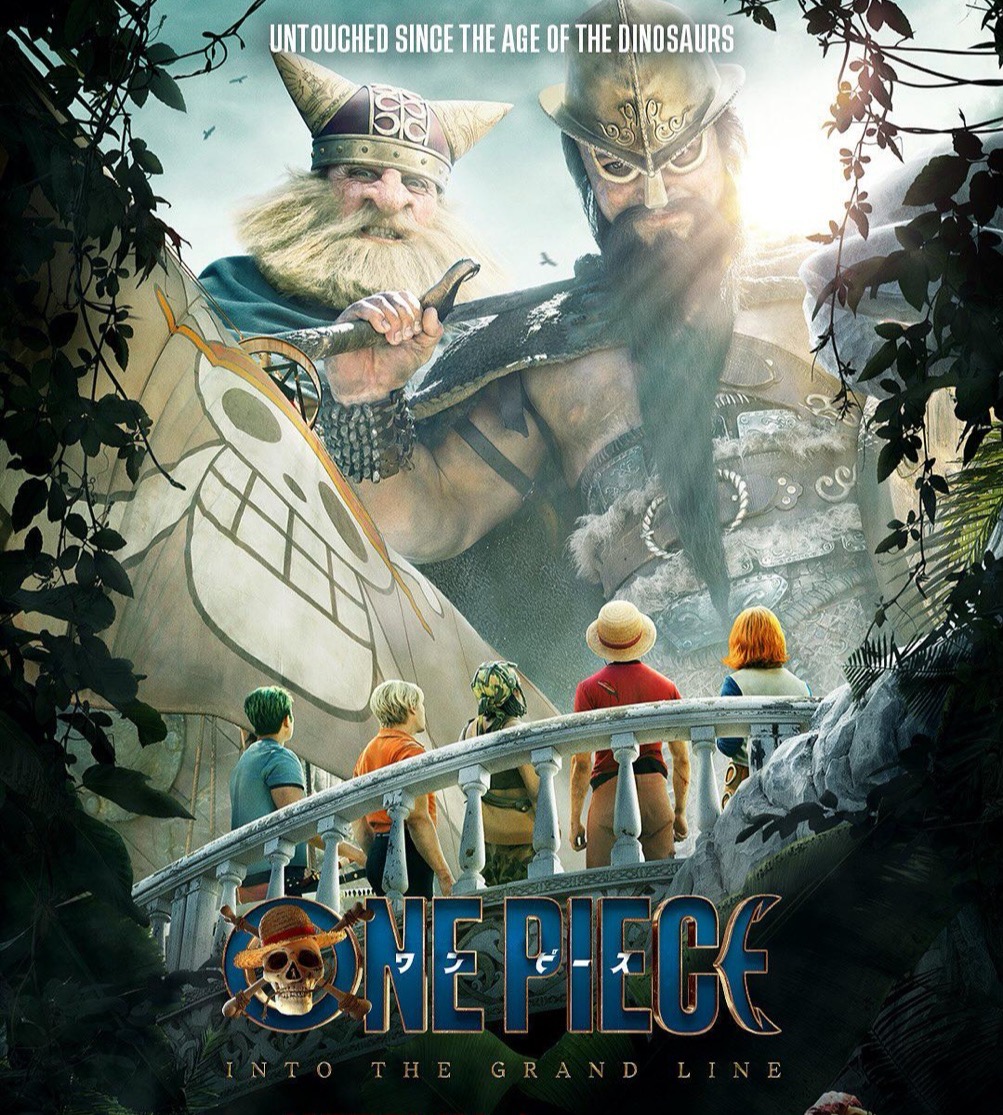
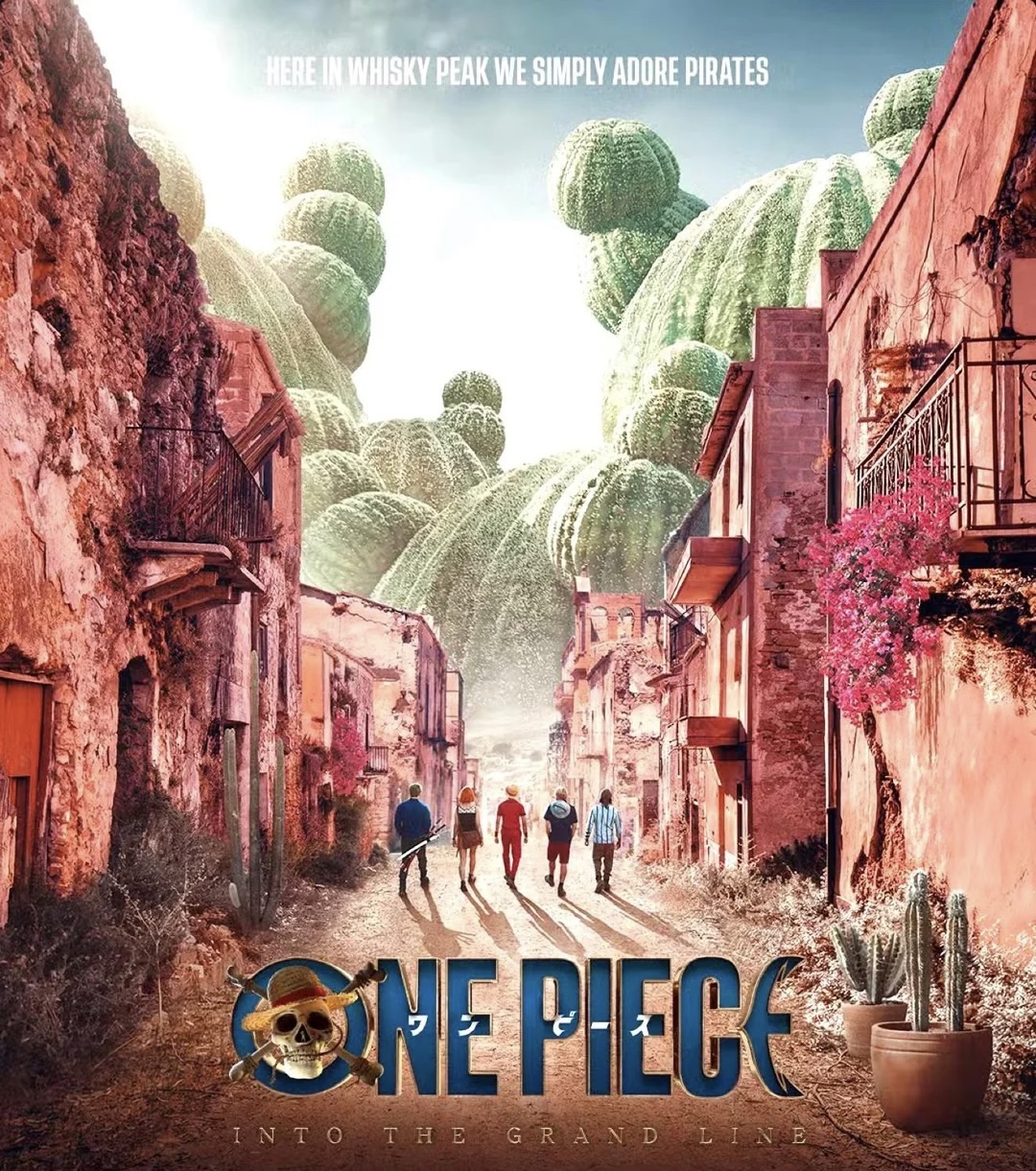
The midseason arcs on Whisky Peak and Little Garden are where the season’s strengths and weaknesses sit side by side. On the plus side, the show feels far more confident staging ensemble scenes now; the Baroque Works intrigue in Whisky Peak gives everyone a small moment to shine, from Zoro’s stoic overkill to Usopp’s anxious resourcefulness. At the same time, you can tell the writers are racing a clock. Baroque Works as a threat sometimes plays like “sassy assassins of the week” rather than a deeply rooted conspiracy, and certain reveals hit faster than they probably should just to keep the plot on schedule. There’s a similar push-pull in the Little Garden episodes: the prehistoric island, giant warriors, and dinosaur mayhem are inherently goofy in a way that fits the franchise, but the story occasionally feels like it’s checking off “cool arc landmarks” rather than letting the weirdness breathe.
What keeps that middle section from sagging is how much better the show has gotten at tying action beats to character beats. Sanji and Zoro’s rivalry plays as casual, lived-in banter rather than forced comic relief, and Nami’s role as the crew’s unofficial grown-up becomes more prominent now that they’re in genuinely lethal territory. Usopp’s arc quietly levels up too; by the time we reach the Drum arc, he’s shifted from pure punchline to someone whose lies and bravado hide a growing sense of responsibility to the crew. The series still loves its shonen clichés, but it’s more careful now about using them as punctuation for character moments instead of the entire sentence.
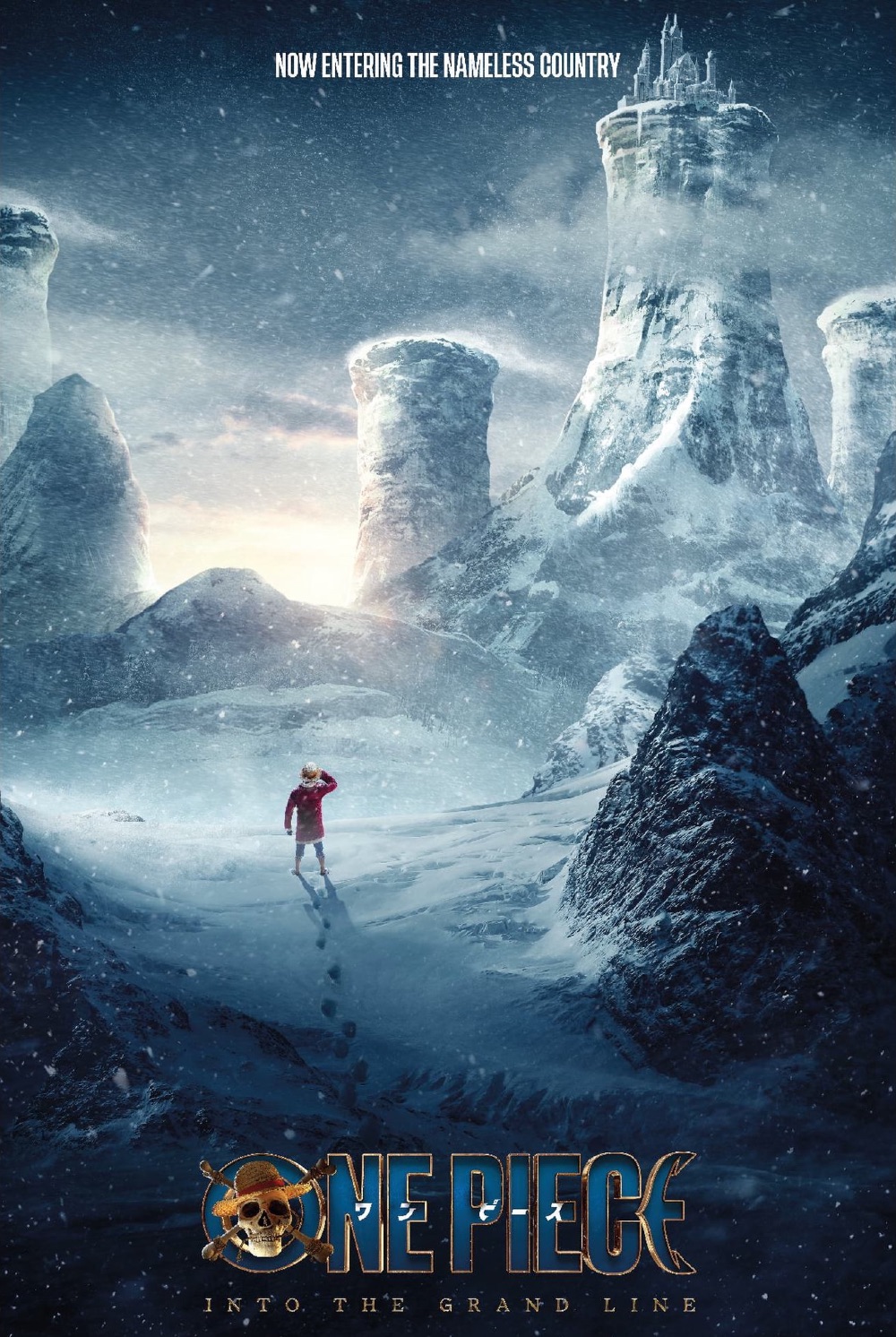
The season really finds its footing once Nami falls ill and the plot veers into Drum Island. Episode 6 uses a simple hook—crew member in medical danger—to justify a full tonal pivot into survival mode, and it pays off. Nami’s fever forces Luffy and Sanji into a desperate climb toward a supposedly witch-haunted castle, and suddenly the story is about how far these idiots will go for each other, framed against a harsh, snowy landscape that looks genuinely inhospitable rather than just “TV cold.” The direction leans into long, wind-whipped shots of the mountainside and the rickety pathways up to Drum Castle so the physical effort feels real, even while we’re still dealing with rubber limbs and talking reindeer.
Visually, Drum Island is where the production team flexes the hardest. Drum Castle plays like a kind of “Winterfell of the Grand Line”: a looming, half-mythic fortress on a cliff that feels grounded enough to stand alongside the more heightened CG work. The snowstorms, the avalanche sequence, the torchlit interiors of Kureha’s domain—all of it sells the idea that the crew has wandered into a different kind of danger than the sunny East Blue of season 1. The score shifts accordingly, mixing sweeping orchestral swells with more intimate piano lines during the quieter medical scenes, and it does a lot of work underscoring the “we might actually lose someone this time” tension.
Episodes 7 and 8 are easily among the strongest hours the live-action has produced. The first of the two slows the pace to focus almost entirely on Tony Tony Chopper’s backstory, and it does that classic One Piece thing of luring you in with a silly premise—a talking reindeer in a tiny hat—and then punching you in the throat with abandonment, discrimination, and grief. The flashbacks to Chopper’s exile from his herd and rescue by Dr. Hiriluk are played surprisingly straight; Hiriluk becomes a ridiculous, heartbreaking figure whose speeches about miracles and cherry blossoms somehow dodge corniness through sheer conviction. Chopper’s performance has a gruff vulnerability that makes his early defensiveness around humans feel earned instead of cute schtick, and the combination of prosthetics, motion capture, and restrained CG works well enough that he reads as a real presence in the room, not a cartoon pasted in after the fact.
That said, the Chopper flashback episode isn’t flawless. Some of the emotional beats linger a bit too long, clearly honoring manga moments that don’t fully translate to live-action pacing, and a few of his transformation gags resort to quick cuts that blunt the imaginative body-horror silliness you get in animation. Still, the emotional spine is strong: Hiruluk’s doomed confrontation with Wapol, punctuated by illusory sakura petals and a speech about when a person truly dies, is staged with an almost theatrical sincerity that the cast actually pulls off. In the present, the B-plot with Zoro and Usopp anxiously waiting in the village for word about Nami is simple but effective, reinforcing how helpless it feels when your role in the crew doesn’t let you directly fix what’s wrong.
In the finale, the action splits cleanly between the village and the castle on the mountaintop, and that structure helps the chaos feel coherent instead of just noisy. Zoro and Usopp are down in Drum Village, hacking their way through the grotesque monster-soldier constructs that Wapol literally spits out as disposable shock troops, giving the ground battle a messy, creature-feature energy. Meanwhile, Sanji and Chopper are up in Drum Castle on top of Drum Mountain, clashing with Wapol’s advisors in tighter, more personal skirmishes that double as a test of Chopper’s resolve to stand with the Straw Hats. Wapol himself returns juiced up on his Baku Baku no Mi powers, and the episode leans hard into the grotesque humor of a villain who eats anything—including his own men—to spit out living weapons and fleshy blob minions.
The blend of practical creature work and CG in that finale isn’t flawless, especially in a few slow-motion shots where the animation looks more rubbery than Luffy, but it’s inventive enough that the absurdity never completely breaks immersion. The action is staged with a nice sense of geography: the snowy streets and rooftops of Drum Village, the cramped interior corridors of the castle, and the exposed battlements all feel distinct, so you always know where you are in the fight. The editing gives each Straw Hat a clear lane—Zoro as the unstoppable blade, Usopp as the desperate tactician, Sanji as the stylish brawler, Chopper as the rookie trying to prove he belongs—without turning the climax into a series of disconnected hero shots.
What really elevates the finale is how it uses the big battle to crystallize character arcs. Vivi, who’s been threaded into the season as a wavering princess-turned-co-conspirator, finally gets a proper leadership moment confronting Wapol and calling out his idea of kingship, and it feels earned instead of “we needed a speech here.” Dalton’s evolution from dutiful soldier to rebel champion hits a satisfying crescendo when he throws himself into the fight in a way that echoes his beastly manga counterpart, giving the non-Straw Hat side of the conflict some emotional heft. Luffy’s most telling moment isn’t about defending his own crew’s banner, but about protecting Dr. Hiriluk and Chopper’s sakura-painted Jolly Roger flag, making it clear that, to him, it isn’t just the Straw Hat symbol he respects but the very idea of a pirate flag as someone’s dream, no matter whose it is.
Chopper’s actual recruitment is peak One Piece cheese in the best way. After an episode and a half of backstory and reluctance, Luffy’s straightforward “You’re our doctor now” carries the weight of everything we’ve seen without turning into a speech, and Usopp’s outsider-to-outsider encouragement seals the emotional deal. The sleigh escape from Drum Castle, complete with impossible cherry blossoms blooming in a blizzard as Kureha salutes them with artillery, should be ridiculous, and it is—but it’s also exactly the kind of heightened, tear-jerking nonsense this series lives on. The show even sneaks in a small but potent Sanji beat, linking his obsession with feeding people to a sickly mother in his past, which adds a layer of vulnerability to his usual horny-cook routine without hijacking Chopper’s spotlight.
To keep things fair, the season does have some recurring issues. The pacing is uneven; cramming five arcs into eight episodes means some side characters and worldbuilding details flash by as cameos rather than lived-in pieces of a larger world. Wapol, while fun, sometimes leans too far into hammy buffoonery, undercutting his menace just when the show wants you to take Drum’s past trauma seriously. A few CG shots—particularly around Wapol’s more exaggerated transformations and some of the blob soldiers—don’t quite match the otherwise solid stunt work and practical sets, which can be jarring when the show is trying to sell you on grounded emotion. Nami spends a big chunk of the Drum arc sidelined by illness, and even though the narrative logic is sound, fans of her more active role in season 1 may feel shortchanged.
On the flip side, the main cast continues to carry the whole enterprise. Iñaki Godoy’s Luffy still walks that fine line between live-action goofball and shonen hero, radiating a kind of unfiltered optimism that makes his big declarations—about friendship, dreams, pirate kings—feel less like memes and more like core character. Mackenyu’s Zoro leans even further into deadpan exasperation, Taz Skylar’s Sanji gets both action hero and quietly wounded pretty boy notes, and Emily Rudd’s Nami remains the emotional anchor even when she’s stuck in a sickbed. Jacob Romero, meanwhile, gets a massive upgrade this season, with Usopp’s arc quietly becoming one of the highlights; he evolves from a running gag and anxious sniper into the Straw Hat who undergoes the most visible growth, fumbling his way toward that dream of being a “brave warrior of the sea” in a way that feels messy, vulnerable, and genuinely human. Add in strong turns from the Drum Island newcomers—Hiriluk’s big-hearted foolishness, Chopper’s skittish warmth, Kureha’s boozy tough love, Dalton’s stoic decency—and you end up with a season that feels richer in performance even when the story is sprinting.
Taken as a whole, One Piece: Into the Grand Line isn’t a flawless second voyage, but it is a confident one. It respects Eiichiro Oda’s world without trying to copy the manga panel-for-panel, it isn’t afraid to tweak pacing and emphasis for live action, and it continues to bet hard on earnest emotion over ironic distance. The rushed arcs, occasional CG wobble, and tonal whiplash won’t work for everyone, especially if you wanted a slower, more atmospheric take on the Grand Line. But if you were on board with season 1’s big-hearted cosplay-epic vibe, season 2 doubles down on that spirit, nails the Drum Island climax, and ends with the crew stronger, weirder, and more ready than ever to take on Alabasta.

 Through the Shattered Lens