Review: Liturgy – Aesthethica


Two months ago I thought I could actually finish reviewing every album I wanted to before it came time for the year-end lists. Then I got hooked on Diotima by Krallice again, bought Skyrim, and had finals. (Yes, I will be a student until I’m pushing 40 at this rate.) So much for writing the rest of the reviews I’d intended to. But there remains one band that’s just too loud to pass up, and I am not necessarily referring to their music.


Returner

In certain ways, Aesthethica is the triumphal conclusion to a seed I first noticed begin to sprout on Ulver’s Nattens madrigal, recorded back in 1996. Hymn VI: Of Wolf and Passion accomplished something completely unprecedented in the history of black metal up to that time. The song began with a frightfully fleeting glimpse at something beautiful; it wasn’t an “introduction” to the song, prefixed for the purpose of defilement. No, it was an ecstatic jubilation shouting out from the depths, proclaiming a profound sublimity hidden beneath this shroud of loathsome chaos. Almost a decade later, in 2005, Neige found himself transfixed upon a fleeting vision of a word of pure light and recorded Le Secret. This is, roughly, a description he himself has used in attempting to articulate his muse. Feeling that the original recording failed to capture this, he recently released a new version of the EP. It, like Souvenirs d’un autre monde and more so Écailles de Lune, has a tendency to overemphasize the aural light, with angelic vocals and an uplifting shoegaze fuzz drowning out the cold death of traditional black metal. He has turned to what you might regard as stereotypical representations of purity in order to recreate his vision.

But this sense of something whole and eternal falls on deaf ears. To me it is merely pretty, never spiritual, because it fails to capture what made the original Le Secret so profound. There, the black metal never made amends. It was an ever present, undeniable force, fulfilling its original purpose and not merely conforming to a new creative whim. The beauty rested within it, perpetually fleeting, not beyond it and eternal. Neige was never aware of his own masterpiece. Perhaps that sort of innocence is what made it possible in the first place. I applaud him for seeing through his own vision to completion and not settling for mine, but the future of Alcest is of no further relevance to the musical progression I have been anticipating these past few years.

For that I turn to Liturgy. On Aesthethica we hear one of the first conscious recognitions of that seed I detected in Ulver, which has been slowly blossoming in the darkness ever since.


Harmonia

In case the video to Returner did not suffice, Liturgy’s frontman, Hunter Hunt-Hendrix, made a complete fool of himself in an interview last year while attempting to explain the philosophy behind his music. I will make no apologies here; he deserves every ounce of ridicule he’s received from it. At one point he suggested that fans read his ‘manifesto’, which is free to download, and I did. It is crammed to the hilt with pomp and self-righteousness, amidst which the following constitutes, I believe, his main idea: He describes metal as a pursuit of maximum intensity. The closer music evolves towards that end, the more apparent it becomes that “totality is indistinguishable from nothingness” (Hideous Gnosis: Black Metal Theory Symposium I, 57). Black metal long embraced nihilism as the ultimate end, but nihilism is a hollow reward. The true apex of humanity lies in the penultimate, one step from the void, reveling in the finite.

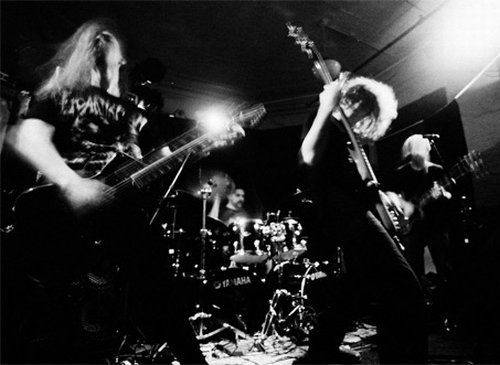
What I find interesting here is not what he’s saying (well, I do find it interesting, but I’ll keep those thoughts to myself), but rather the fact that paradigms are beginning to emerge which attempt to define the sensation I expressed in terms of my experiences with Ulver and Alcest. I call Aesthethica a triumphal conclusion because it is the first thoroughly self-conscious result of a musical trend I’ve been following for quite some time now–triumphal because, well, it’s pretty damn good. It marks the end of an evolutionary process, from which a new cycle will begin. Transcendental black metal is going to happen whether we like it or not, and in the process we will witness a very peculiar clash of values. I mean, just look at these guys:


High Gold

Aesthethica isn’t always this good. Some tracks bore me to tears. It’s in their intense moments that Liturgy really shine, and while these comprise the bulk of the album, the band seems to have little else to offer. Generation is a rhythmic plod which dreams of being post-metal but feels more like my cd is skipping. Glass Earth is a vocal chant that inspires only laughter; it sounds like something off a really bad indie rock album, and this amidst a genre as intimately connected to folk as metal. The intentional 60 seconds of silence at the end of Sun of Light is annoying, though forgivable in the wake of the album’s best track; but the three minute doodle filler track that follows seems to serve no purpose whatsoever.

Its finest moments though, such as High Gold, are amazing. I can’t say that the album is great, because it’s so inconsistent, but I will acknowledge that it contains some of the best songs written this year, and moreover, it is unique in what it attempts to accomplish. Perhaps a lot more could be said on its behalf had Hunter Hunt-Hendrix declined all interviews and published no ‘manifesto’, but I’m kind of glad he did what he did. It confirmed a message which I’ve been preaching for years now; not, that is, his precise philosophy, but at least a feeling. There has been something entirely positive and uplifting lurking out there in the black metal scene for a very long time. Liturgy are the first band I know of to not merely incorporate it but embrace it as the fundamental focus of their entire sound. Other bands have occasioned to evoke it in passing more effectively (Krallice for instance), or have consistently approximated it without ever fully cashing in (post-Le Secret Alcest and associated acts), but Liturgy provide me with something solid to point at and say unequivocally that is what I was talking about.
My Top 5 Albums of 2011 So Far


Well, it’s June, and as usual I’m getting behind in music. There is a lot more to keep up with this year than the last, and I’ve only downloaded 30 new releases so far. Hopefully that will change over the summer. Allow me to kick off three months of more active music reviews with my top five albums of 2011 thus far.

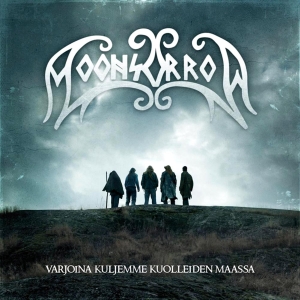
5. Moonsorrow – Varjoina Kuljemme Kuolleiden Maassa

Moonsorrow have a lot of material out there, and suffice to say I haven’t heard enough of it. I am used to really long songs in black metal, but not in folk, and I always find myself treating them like the former, playing their albums for ambient effect and paying close attention only where the music reaches out and demands it. I’ve listened to all 30 minutes of Tulimyrsky 19 times apparently, and I don’t remember it. Likewise, I forgot they’d released an album this year until I was browsing last.fm and discovered that I’d listened to it 13 times.

So take that for what it’s worth. This album has four full songs with a few 1-2 minute tracks in between. The two middle ones of the four are decidedly more catchy, whether you want to call them better or not. Moonsorrow may never move me as successfully as Finsterforst did copying their style on the underrated masterpiece Zum Tode Hin, but nevertheless here is an album I will probably never tire of, even as I never fully embrace it. I want to call it my fifth favorite of the year so far, but it’s so difficult to place.

Their songs are too long for youtube, but this video fits in the vast majority of track 5, Huuto.

.

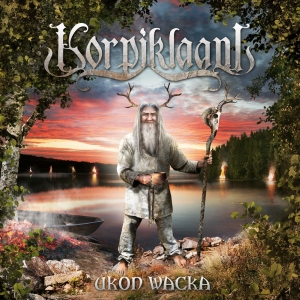
4. Korpiklaani – Ukon Wacka

Another year, another Korpiklaani album. Since 2003 they’ve released seven. That’s 83 songs that all sound pretty much the same and are all either about beer, drinking beer, being out of beer, having a hangover, or killing your hangover by drinking beer. But while they might not be folk metal’s most poetic troupe, they are hands down the most fun of the lot.

Ukon Wacka doesn’t really have any down time. From start to finish it’s a consistently enjoyable, catchy album. Sure, every song could have appeared on every other album without being out of place, but unlike on many of their others you’ll never find yourself skipping tracks. And like on Karkelo, they saved the best track for last, encouraging you to stick around:

.

3. Altar of Plagues – Mammal

I never really talk about White Tomb. I got it the first day it leaked and have listened to it dozens of times since, but it’s not something I feel inclined to sing the praises of. With the exception of the first few minutes of Watchers Restrained, there was never a point where I could tell people wow, you’ve got to hear this. It’s something a bit more personal–the sort of thing I like to play when I’m working late and really need to concentrate. It’s got a slow brooding energy that you can just feed off of. It empowers the listener without ever demanding much attention. Mammal can be described similarly, but should you choose to shut off the lights, sit back, and just soak it in, you’ll find it has a lot more to offer than their first album. I’ve only listened to it five times so far, but I feel confident placing it among the best. Here are the first 15 minutes of the opening track:

.

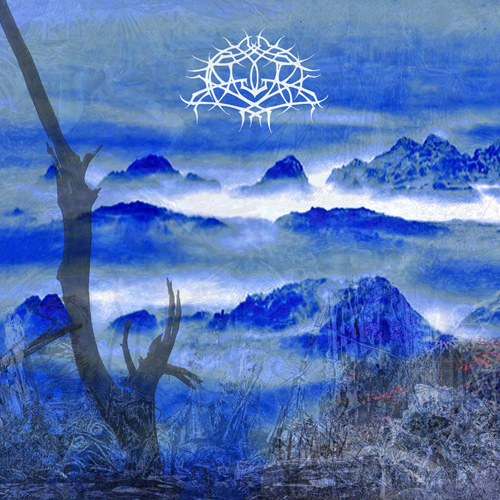
2. Krallice – Diotima

Here we get into the albums I consider true masterpieces. Krallice have pioneered a sound that few artists are physically capable let alone creatively inclined to emulate. But their last album, Dimensional Bleedthrough, was a bit of a disappointment. Last.fm claims I have listened to it twelve times, and I’m here to tell you I don’t remember the slightest thing about it. While it might have been more technical and refined than their first release, it lacked those standout moments that made songs like Wretched Wisdom and Forgiveness In Rot so unforgettable.

Diotima reclaims the beauty and emotion of their first album, and couples it with the mind-bending technical skill and complexity they have further developed since then. This is easily my second favorite album of 2011 at the moment, and may in time lay claim to the top slot. I highlighted Telluric Rings last week, so allow me to point out my other favorite, the title track. The lead guitar from 5:30 to 7:20 will leave you speechless.

.

1. Falkenbach – Tiurida

I was both shocked and disappointed to see this album go almost entirely unnoticed. I mean, Vratyas Vakyas is the second most important figure in the history of folk and viking metal after Quorthon. Yet even on wikipedia’s quite inclusive article on metal releases in 2011 it goes unmentioned. This would be excusable were it the washed-up product of an artist past his prime, but Tiurida is my favorite album of 2011.

The only complaint I have read is that it’s too repetitive, but that’s exactly what Falkenbach is meant to be. There’s a difference between repetitive and generic, and he has always been far from the latter. Indeed, it was my fear that Tiurida, his first release in six years, might lack that creative genius present in all his prior works and compensate by at last substituting some stylistic variance. But Vakyas never lost his edge, and has here created his best work since En Their Medh Riki Fara fifteen years ago. Let the glorious opening and closing tracks speak for themselves:

Song of the Day: Krallice – Telluric Rings


This is a difficult song to introduce. It is not a gradual build-up to an overwhelming conclusion–an accurate description of my other favorite song by them, Wretched Wisdom. It’s not post-metal in that sense (granted most of their songs aren’t.) No, I want to say it reminds me first and foremost of Opeth circa My Arms Your Hearse. The styles aren’t at all alike, but in a similar manner it flows from movement to movement, each astoundingly memorable and neither oppressively aggressive nor tame, before winding down into a slow, apprehensive timebomb anticipating the final desperate explosion that catches you off guard no matter how convinced you are that it’s coming. And though the Drudkh influence is obvious, it’s much like Opeth in that there’s really very little it can be compared to.

If you are familiar with Krallice, the song should strike you from the get-go for beginning in stride rather than exploding out of a wall of feedback or gradually building into anything.

As a final note, notice how significant the bassist’s role is in this song. It’s a feature rather uncommon to the genre.

If you listen to only one version of this, I recommend the studio cut in spite of the poor sound quality on youtube. If you feel inclined to hear it twice though, this second, live video really lets you grasp what’s going on. It wasn’t until I saw them live that I was compelled to really dive into the studio version of this song and realized what a masterpiece it was.

Unholy Offerings, October-Present


I must have really been out of it these last three months. I was looking over some year-end lists and saw Arkona… then Kalevala… then Nokturnal Mortum… Since when did they all have new albums out? So I decided enough of this and got out my shovel. 1,097 album topics flagged as metal later, I had nine new releases by great bands between October 1st and now, and one from September that seemed sufficiently overlooked to merit mention. Some came as complete surprises. Others I’d acquired and then promptly forgot. Krallice aside I haven’t heard any of these prior to about two days ago, if at all. But these aren’t just arbitrary bands. They are all groups that have released albums I’m quite fond of in the past:


Arkona – Goi, Rode, Goi!
Аркона – Гой, Роде, Гой!
Napalm Records, October 28th, 2009
Russia
Arkona stand, in my mind, alongside Pagan Reign/Tverd’ at the forefront of pagan metal today. Ot Serdtsa K Nebu might have been too good to be topped, but this is bound to be an enjoyable album.


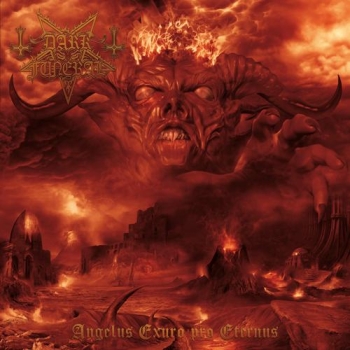
Dark Funeral – Angelus Exuro pro Eternus
Regain Records, November 18th, 2009
Sweden
I expect more completely standard Swedish bm… but who can complain?


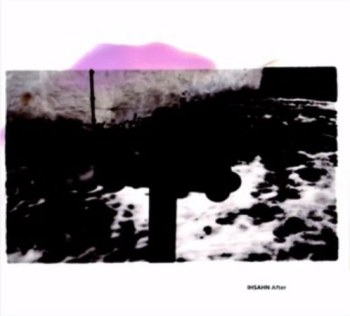
Ihsahn – After
Candlelight Records, January 26th, 2010
Norway
Emperor’s frontman needs little introduction. For those of you who were, like me, disappointed with angL, note that I did listen to After once and I think it’s pretty solid. Expect the usual prog black metal that only Ihsahn can really pull off.


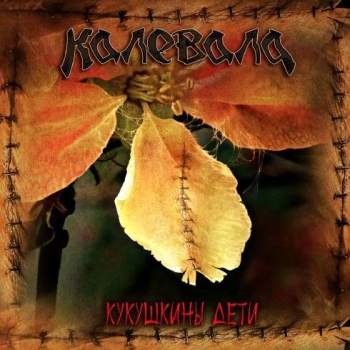
Kalevala – The Cuckoo’s Children
Калевала – Кукушкины дети
Metalism Records, October 3rd, 2009
Russia
Possibly my favorite folk metal band, these guys play songs that would stand up in any epoch if you took out the metal guitar and drumming


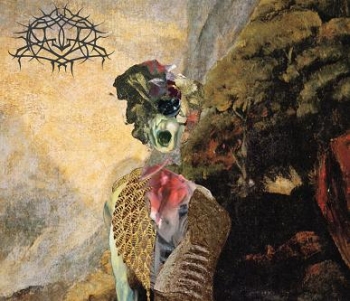
Krallice – Dimensional Bleedthrough
Profound Lore Records, November 10th, 2009
United States
Krallice’s self titled was an easy contender for the greatest album of 2008. They take the concept of post-black metal started by Agalloch and Klabautamann and tie it to the end of an atom bomb. This will probably turn out the best album out of the ten here listed.


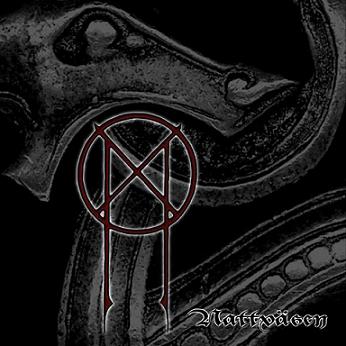
Månegarm – Nattväsen
Regain Records, November 19th, 2009
Sweden
An incredibly underrated folk metal band with tendencies towards black metal


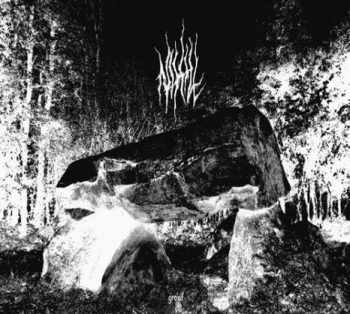
Nihill – Grond
Hydra Head, October 13th, 2009
Netherlands
Ambient, spooky American-style black metal


Nokturnal Mortum – Голос Сталі (The Voice of Steel)
Oriana, December 26th, 2009
Ukraine
Nokturnal Mortum stand at the forefront of nsbm, their music so brilliant as to compensate for all radical ideologies, though their new album is a disappointment in my opinion. It’s still better than most else out there. See my review from last week for more details.


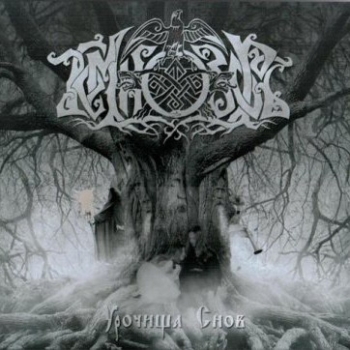
Temnozor – Haunted Dreamscapes
Темнозорь – Урочища Снов
Stellar Winter, January 3rd, 2010
Russia
Very folk-influenced nsbm, and much better than the new Nokturnal Mortum album if you ask me. (Not that it need be said, but we don’t ideologically support nsbm. The music still kicks ass.)

And last of all, for a band that never fails to confuse me:

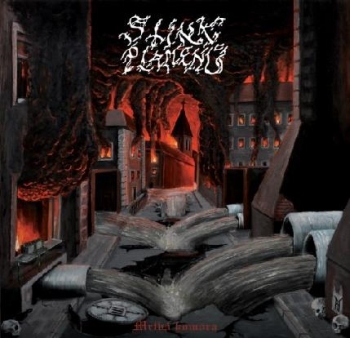
Stíny Plamenů – Mrtvá Komora
Naga Productions, September 1st, 2009
Czech Republic
“The name of the project, Stiny Plamenu (meaning “Stinky Sewer”), was born from the feelings and emotions experienced while watching the sewer expanses illuminated by a flickering fire, the fascinating places beneath the town of Plzen became the inspiration for the lyrical content of the project. Mythological characters of the world of sewer lore soon appeared: Pan Cistirensky (“The Sewage Disposal Lord”), Pani z Vodarny (“Lady of the Waterworks”), Syn Poklopu (“Son of the Manhole Lids”), Mistr Jimac (“The Cesspool Master”) and some others. Stories about these figures are told in the guise of black metal pieces with a truly bestial sound.”
Ok, well I might have edited the English translation of the band name……