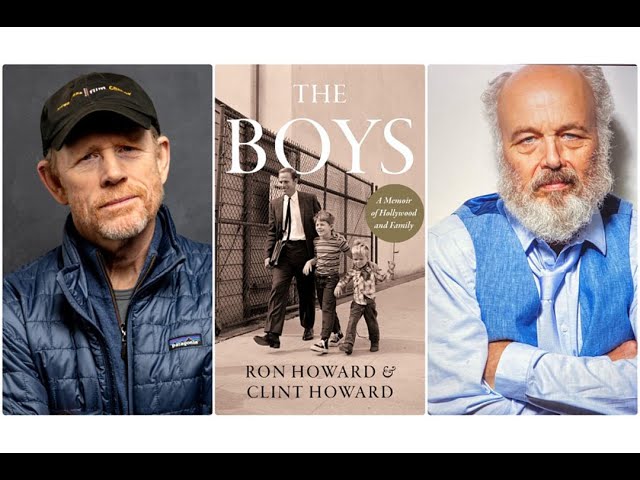
Every year during tax season, I get in the habit of playing movies and TV series on my third computer screen as I work. I don’t necessarily watch the shows, but they do provide a soothing background noise as I provide high quality tax preparation services for my clients. A few years back I played the entire series of “The Andy Griffith Show” all the way through a total of three times. I began to develop favorite episodes and would actually stop and watch certain parts as favorite scenes would play out. My very favorite moments would typically involve emotional scenes between Sheriff Andy Taylor and his son, Opie. Ron Howard began playing Opie when he was only six years old and there was never a cuter kid on a TV show. Needless to say, I was always bringing up the show in just about any conversation I was having during this time, whether it be with my wife, other family members or friends. Almost any situation that came up would remind me of something found on “The Andy Griffith Show.” Based on this newfound obsession, when Christmas rolled around that year, my wife purchased me a copy of the book THE BOYS by Ron Howard and Clint Howard. When we were preparing for our trip to Maui recently, I knew I had several plane flights and many beach hours ahead of me. While I don’t often read for pleasure, it did seem like the perfect time to dig in and find out what it was like to grow up as a kid actor on one of America’s most beloved TV shows.
THE BOYS has a pretty interesting setup as Ron Howard and Clint Howard share their various viewpoints on key moments and events in the evolution of the Howard family. It becomes clear very quickly that Ron and Clint are very different as we make our way through the first few chapters. They just see the world from wildly different perspectives. Ron emerges as kind of a rule following “square” while Clint proves to have quite the rebellious streak. But you can also tell how deeply they care about each other as brothers. The book takes its time to really focus in on their parents, Rance and Jean Howard, and how they instilled a “family comes first” philosophy in their heads from the very beginning. There were a few times where this philosophy was put to the test, but all in all the family unit retained its position as being more important than any roles in film and TV. Rance and Jean were both very present in their sons’ lives, and in a positive way. They took a very nominal management fee from their sons’ earnings, much less than the industry standards, and saved the rest for Ron and Clint. After all the stories of child actors, their stage parents, and their ultimate downfalls, the Howard’s situation couldn’t have been much more ideal thanks mostly to the consistency and character of Rance and Jean. While they don’t always shy away from their parents’ faults, these boys truly loved and appreciated their mom and dad, and that was refreshing to read.
As far as Ron’s and Clint’s acting careers, THE BOYS doesn’t necessarily dwell too much on their various shows and movies that they were in, outside of those that really had the biggest impacts on their family and futures. We hear quite a bit about “The Andy Griffith Show” and “Gentle Ben,” but when you consider how young the boys were when they starred in those shows, there is a limit to how much they can really remember. Once again, most of the memories they share of these shows seem to be based on their work with their dad to learn their lines and understand the plots. I can say from firsthand experience that Rance’s coaching is amazing based on Ron’s performances as Opie Taylor. I don’t remember Clint as well in those early years, except for his handful of appearances as the PB & Jelly smeared Leon, also on “The Andy Griffith Show.” We do get some nice info on actors like Griffith, Don Knotts and Dennis Weaver that only serves to help me appreciate them even more. If you want a deep dive into any of their shows or movies, this book is probably not the place to look for that kind of detailed information, but they do sprinkle in some fun nuggets along the way. I especially enjoyed Ron’s stories about George Lucas and Henry Winkler, as well as Clint’s memories of playing Balok on “Star Trek.” We get quite a few stories from Ron and Clint about how hard it could be to be a well known child actor in grade school and high school. It makes sense that there were quite a few kids that gave them a hard time and each of the boys had to develop their own way for dealing with these people.
The book ultimately reaches its crescendo with the boys sharing details about their transitions into adulthood, both personally and professionally. We learn about Ron’s own love story with his wife Cheryl who was basically his first real girlfriend. With the perfect life partner in tow, Ron was free to pursue his passion to direct films, and he had to make some risky decisions for that to happen. It was fun reading about the “deal” he made with the legendary Roger Corman that gave him his big directorial break with the B-movie GRAND THEFT AUTO (1977). We all know where his directorial career eventually would go, but it certainly was no foregone conclusion in the late 70’s. Clint’s journey was difficult in a much different way, as he was a full blown alcoholic and drug addict when he was trying to figure things out. Once again, his own personal integrity and the strong bonds of a loving family ultimately allowed him to get an upper hand on his problems and go on to the unique and interesting career he has had. One of my main takeaways from reading THE BOYS is that I just love their family. No matter what, they always valued integrity and would always stick together. Ultimately, I think that was the most important story that the boys wanted to tell.
 Through the Shattered Lens