My Top 15 Metal Albums of 2011


The years I most actively indulge my musical interests are the ones I find most difficult to wrap up in any sort of nice cohesive summary. December always begins with a feeling that I’ve really built up a solid basis on which to rate the best albums of the year, and it tends to end with the realization that I’ve really only heard a minute fraction of what’s out there. I’m going to limit this to my top 15. Anything beyond that is just too arbitrary–the long list of new albums I’ve still yet to hear will ultimately reconfigure it beyond recognition.
15. Thantifaxath – Thantifaxath EP
Thantifaxath’s debut EP might only be 15 minutes long, but that was more than enough to place it high on my charts. The whole emerging post/prog-bm sound has been largely a product of bands with the resources to refine it, and it’s quite refreshing to hear sounds reminiscent of recent Enslaved without any of the studio gloss. That, and I get a sort of B-side outer space horror vibe from it that’s not so easy to come by. (Recommended track: Violently Expanding Nothing)
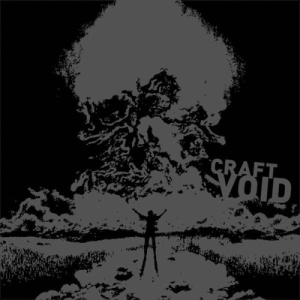
14. Craft – Void
This is the straight-up, no bullshit black metal album of the year. It doesn’t try anything fancy or original. It’s just good solid mid-tempo bm–brutal, evil, conjuring, and unforgiving. Hail Satan etc. (Recommended track: any of them)
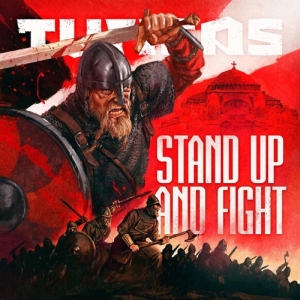
13. Turisas – Stand Up and Fight
Stand Up and Fight doesn’t hold a candle to The Varangian Way, but I never really expected it to. As a follow-up to one of my all-time favorite albums, it does a solid job of maintaining that immensely epic, triumphal sound they landed on in 2007. It lacks their previous work’s continuity, both in quality and in theme, but it’s still packed with astoundingly vivid imagery and exciting theatrics that render it almost more of a movie than an album. (Recommended tracks: Venetoi! Prasinoi!, Hunting Pirates)
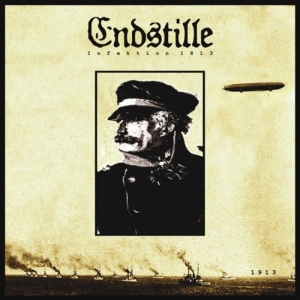
12. Endstille – Infektion 1813
Swedish-style black metal seldom does much for me, and it’s hard to describe just what appeals to me so much about Germany’s Endstille. But just as Verführer caught me by pleasant surprise two years ago, Infektion 1813 managed to captivate me in spite of all expectations to the contrary. Like Marduk (the only other band of the sort that occasionally impresses me), they stick to themes of modern warfare, but Endstille’s musical artillery bombardments carry a sense of something sinister that Marduk lacks. The dark side of human nature Endstille explores isn’t shrouded in enticing mystery–it’s something so thoroughly historically validated that we’d rather just pretend it doesn’t exist at all. The final track, Völkerschlächter, is one of the best songs of the year. Stylistically subdued, it pummels the listener instead with a long list of political and military leaders responsible for mass murder, named in a thick German accent over a seven second riff that’s repeated for 11 minutes. It’s a brutal realization that the sensations black metal tends to arouse are quite real and quite deplorable, and it will leave you feeling a little sick inside.
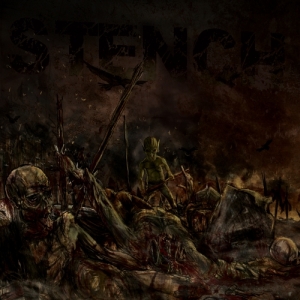
11. Nekrogoblikon – Stench
Nekrogoblikon released a folk metal parody album in 2006 that was good for laughs and really nothing else. The music was pretty awful, but that was intentional. It was a joke, with no presumption to be any good as anything but a joke. They’re the last band on earth I ever expected, a full six years after the fact, to pop back up with a really fucking solid sound. But Stench is good. I mean, Stench is really good. It’s still comical in theme, but the music has been refined beyond measure. Quirky, cheesy guitar and keyboard doodles have become vivid images of little flesh-eating gremlins dancing around your feet, whiny mock-vocals have taken the shape of pretty solid Elvenking-esque power metal, pretty much everything about them has grown into a legitimate melo-death and power infused folk metal sound. Don’t get me wrong, it’s still not meant to be taken seriously, but they’re now of Finntroll caliber. (Recommended tracks: Goblin Box, Gallows & Graves, A Feast)
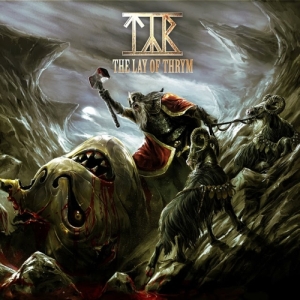
10. Týr – The Lay of Thrym
I thought By the Light of the Northern Star was a fairly weak album, and because The Lay of Thrym maintains some of the stylistic changes they underwent then, a part of me keeps wanting to say it can’t be as good as say, Land or Eric the Red. But of all the albums I acquired in 2011, I’ve probably listened to this one the most. Týr have one of the most unique sounds on the market, and it’s thoroughly incapable of ever boring me or growing old. Heri Joensen’s consistently excellent vocal performance alone is enough to make them perpetual year-end contenders. (Recommended track: Hall of Freedom)
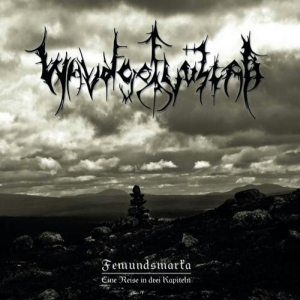
9. Waldgeflüster – Femundsmarka – Eine Reise in drei Kapiteln
This is some of the most endearing black metal I’ve heard in a while. Intended as a musical reminiscence of Winterherz’ journey through Femundsmarka National Park in Scandinavia, it’s a beautiful glorification of nature that takes some of the best accomplishments of Drudkh and Agalloch and adds to them a very uplifting vibe. Someone made an 8 minute compilation of the album on youtube which does a good job at previewing without revealing all of its finest moments. (Recommended track: Kapitel I: Seenland)
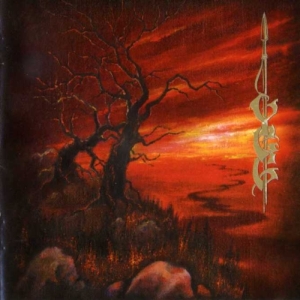
8. Ygg – Ygg
Ygg is an hour-long trance, evoking ancient gods in a way that only Slavic metal can. You could probably pick apart the music and discover plenty of flaws, but that would miss the point. I think that a lot of these Ukrainian and Russian bands are true believers, and that the purpose of music like this is more to create an experience in the listener than to be good for its own sake. This is a spiritual journey, and if it fails to move you as such it will probably come off as rather repetitive and generic, but I find it impressively effective. (Recommended track: Ygg)
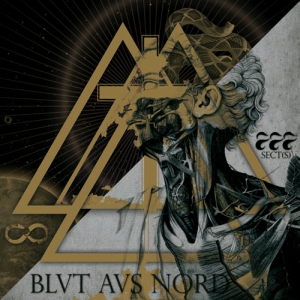
7. Blut aus Nord – 777: Sect(s)
I don’t know where to put this really. I could just as easily have labeled it second best album of the year. Dropping it down to 7th might seem a little unjustified, but eh, this is a list of my top albums, not of the “best” albums of the year. There’s no denying Sect(s) credit as a brilliant masterpiece, but it’s an ode to madness. I mean, this music scares the shit out of me, and if that means it’s accomplished something no other album has, that also means I don’t particularly “enjoy” listening to it. (Recommended track: Epitome I)
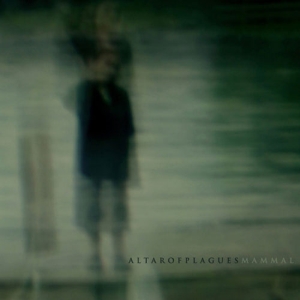
6. Altar of Plagues – Mammal
I never did listen to Mammal as actively as I would have liked. I never sat down and gave it my undivided attention from start to finish. But it’s served as a background piece for many late nights at work. It zones me in–stimulates my senses without ever distracting them from the task at hand. I don’t feel like I can really say much about what makes it great, because that’s not the sort of thing I’ve considered while listening to it, but I absolutely love it. It’s a big improvement from White Tomb, which was itself an excellent album, and more so than most other releases of 2011 I will probably continue to listen to it frequently in years to come. (Recommended track: Neptune is Dead)

5. Primordial – Redemption at the Puritan’s Hand (track: No Grave Deep Enough)
Redemption at the Puritan’s Hand is by no means perfect. It’s got a few sub-par tracks detracting from the full start to finish experience, but when it’s at its best all else can be easily forgiven. Call it folk metal or call it black metal, whichever you prefer, but first and foremost call it Irish, with every good thing that might entail. The vocals are outstanding, the music rocks out in folk fashion without ever relenting from its metal force, and while the lyrics don’t always make sense, they always hit like a fucking truck. Where they do all come together, delivered with Nemtheanga’s vast and desperate bellows, the result is overwhelming. O Death, where are your teeth that gnaw on the bones of fabled men? O Death, where are your claws that haul me from the grave? (Other recommended tracks: The Puritan’s Hand, Death of the Gods)

4. Falconer – Armod (track: Griftefrid)
Prior to 2011 I’d largely written Falconer off as one of those power metal acts that were just a little too cheesy to ever excite me. Maybe it was bad timing. Maybe I just happened to hear them for the first time while Kristoffer Göbel was filling in on vocals. Or maybe Armod is just their magnum opus–a spark of genius they’ve never neared before. Flawless if we ignore the “bonus tracks”, Armod takes that early folk metal sound Vintersorg pioneered with Otyg, merges it perfectly with power metal, and offers up 11 of the most well-written and excellently produced songs of the year. Mathias Blad’s vocals are absolutely phenomenal. (Other recommended tracks: Herr Peder Och Hans Syster)

3. Falkenbach – Tiurida (track: Sunnavend)
A lot of people might voice the legitimate complaint that Tiurida, Vratyas Vakyas’s first studio album in six years, sounds absolutely indistinguishable from his prior four. For me, that’s exactly why it ranks so high. Vakyas landed on a completely unique, instantly recognizable sound which, alongside Bathory, defined viking metal as a genre, and he’s refused to change it one bit. I fell in love with this album ten years ago. (Other recommended tracks: Where His Ravens Fly…)

2. Liturgy – Aesthethica (track: Harmonia)
Yes, Liturgy. It’s immature, childish, and imperfect, but it’s uplifting in a completely new way. No matter how far Hunt-Hendrix might go to embarrass himself and his band mates, behind all of his pompous babble there just might be some truth to it. (Other recommended tracks: True Will)

1. Krallice – Diotima (track: Dust and Light)
More than the album of the year, Diotima is one of the greatest albums ever made. I can’t fathom the amount of skill it must take to perform with the speed and precision that these guys do, but if they battered down a physical barrier to metal in 2008, they finally grasped hold of what lies beyond it in 2011. They claim that the songs on their first three albums were all written at the same time by Mick Barr and Colin Marston, before their self-titled debut. If that’s the case, then it must be the experience of performing together and the creative contributions of Lev Weinstein and Nick McMaster that raised Diotima to a higher level. It’s not just that they’ve improved in every way imaginable; the songs themselves are overwhelming, breathtaking, and chaotic to a degree they’d never before accomplished. Krallice perform an unwieldy monster that took a few albums to thoroughly overcome. Now they’re in complete control, and their absolutely brilliant song-writing can shine through. With the exception of the dubious Litany of Regrets, this is possibly the greatest album I have ever heard. (Other recommended tracks: Inhume, Diotima, Telluric Rings)
Review: Wolves in the Throne Room – Celestial Lineage


I heard this band before you did. No, really. It was completely by accident, to be honest. I had just found out about Agalloch bassist Jason William Walton sideproject and indisputable worst band in existence Especially Likely Sloth. Youtube didn’t exist yet so I had to actually go to the Vendlus Records website, where they were really pushing preorders of Wolves in the Throne Room’s debut album. It was only like $8 so I threw it in the cart. Two years later I almost saw them live, opening for Jesu on their 2007 US tour. I thought it would be kind of cool, being the one kid in the house who had actually heard of them (I had no idea Southern Lord picked them up), but they made the mistake of scheduling all their Texas stops the exact same areas/days as Finntroll, and the opportunity to see the latter two days in a row won out.

Next thing I know they’re the most popular black metal band in the world. Go figure.


Thuja Magus Imperium

I guess what shocked me most about that was I never thought they were very good. I mean, I had heard Diadem of 12 Stars plenty of times, and to me they were just another black metal band, with no distinguishing features to speak of.

By the time I found out about their success though, they had just released a third album. I hadn’t heard about the second, I didn’t remember the first (because it is very forgettable), and I was not feeling up to the task of attentively engaging three albums which I didn’t have high hopes for. All of the hype was coming from outside of metal circles, and sure, Pitchfork has pushed good metal before (Mastodon for one outstanding example), but nine times out of ten their selections are borderline arbitrary–the first metal experience of ‘experts’ completely foreign to the genre or maybe even just the newest release from a record label helping to pay their bills. No, when metal bands become popular in non-metal crowds, it usually has nothing to do with their music.

Last week though, I heard Liturgy. Hyped by all of the same dubious sources, it was comparisons to Krallice and Hunter Hunt-Hendrix’s outlandish interview that ultimately compelled me, but in light of the fact that Aesthethica is fucking amazing, I thought it high time I gave a few other “Pitchfork metal” bands a try. For obvious reasons both in fame and personal experience, Wolves in the Throne Room were the first casualty.

I had Celestial Lineage on repeat for two solid days trying desperately to derive something, anything special and significant out of it. I couldn’t. At the surface they were the same generic status quo black metal act I heard demo recording samples of back in 2005. But as it always goes, when it came down to actually spelling out what in particular I found boring about them I finally found myself noticing some of the appeal. Not much, mind you, but a little bit.

Let’s look at this opening track. I hear a chick singing to some simple piano and synth, some basic tremolo lurking in the background–a mood setting introduction, like 50% of the genre. Nothing in particular sets it above average. I’m not really feeling it yet, still just hearing a recording studio session. The black metal fades out of the ambiance rather than exploding, and I like that. Once again, it’s nothing unique, but always an effective way of stating your intentions up front. There’s an obvious Agalloch influence, most distinct in the guitar solos, and by the time they end I’m definitely getting a dark, reflective vibe–nature themes, something really earthy. The transition back into a female chant, a synthy night sky with chime-spawned stars, a slow resurrection of guitar painting the celestial horizon in different shades of black, blotting out the stars in an auroral haze… It’s exceptionally visual, and it’s visual in a distinctly American way. You know: earth spirituality; something native to the soil; American folk metal, which possesses virtually no stylistic commonality with its pantheon-laden European namesake.

The second track is a two minute ambient piece, and I find it irritably overdone. It is accented by a vocal chant which just doesn’t fit the picture, and I think if they’d left that out it would have been perfect. At any rate, the third song explodes back into black metal.


Subterranean Initiation

This is what I remember forgetting about their first album: really generic black metal. A mix of second wave and Ukrainian sounds, it is moody and scene-setting only to the extent that all black metal is, and offers absolutely no leads as to what the band had in mind beyond “Ok dudes at this part let’s sound like Emperor or Drudkh or some shit, it’ll be cool.”

A little over 4 minutes in the song comes to a standstill, and the residual distortion and drums kind of scrape along in a not particularly coherent mishmash. Out of it emerges a shamefully obnoxious guitar hammering the same meh chords over and over and over (and over) and I would probably have shot myself at this point, but beneath it all the drummer is actually tearing it the fuck up with subtly accented blast beats that I found simultaneously intense and relaxing. The guitar eventually goes post-rock kind of out of nowhere and ends a mostly boring song on a pretty good note.


Astral Blood

I kind of wanted to end this on Woodland Cathedral, a 5+ minute ambient track that impressed me in ways similar to the latter half of the opening song, but since it’s mainly their black metal that I’ve been bashing, Astral Blood is probably the better choice. Here they do it right, and I never need to question their originality because I’m already too caught up in it to care. The mood sets in instantly, unleashing black metal’s potentially soothing effects–the sort of feel good in the cold contemplative darkness track that I like having on as a background piece. When the ambiance returns it’s gorgeous, and the song doesn’t really go down hill until 5:30 (at which point the guitar repeat is once again merely obnoxious), periodically recovering and digressing through to the end.

So, what’s the final verdict? On the surface, generic. In depth, too diverse for its own good. The first track, Thuja Magus Imperium, is really brilliant, but it is perhaps the only track I can say such things about. There is a fine line between meditative repetition and a broken record, and Wolves in the Throne Room seem pretty oblivious to it. What’s more, their fastest metal moments lack emotion and intensity, and their slowest lack subtlety. Their ambient tracks are nice, but they have a habit of overdoing them, especially vocally (including the female vocals at times), where once again a little subtlety could have saved the day. I was pretty impressed by the drummer the few times I tuned in to him, and perhaps another listen as attentive as the few I put in writing this would position me to praise him more thoroughly, but I am out of time and patience.

It’s because Celestial Lineage does possess a few moments of brilliance, however, that a thorough critique is even possible. The album as a whole is not at all generic in the sense of say, the new Demonaz album, and, while I might enjoy listening to that one slightly more, it’s got a lot less to appreciate. Celestial Lineage is only generic in its methods for creating complexity; it’s not generic at its core. But it is also nothing special, as I’d originally perceived.

Wolves in the Throne Room have reportedly claimed that their music is meant to be meditative rather than aggressive, and that they play black metal on their own terms. They’re fooling themselves with the latter claim, and while I’ll grant that it’s meditative, those non-metal fans who think it is exceptionally so simply have not experienced much of the genre.

Review: Liturgy – Aesthethica


Two months ago I thought I could actually finish reviewing every album I wanted to before it came time for the year-end lists. Then I got hooked on Diotima by Krallice again, bought Skyrim, and had finals. (Yes, I will be a student until I’m pushing 40 at this rate.) So much for writing the rest of the reviews I’d intended to. But there remains one band that’s just too loud to pass up, and I am not necessarily referring to their music.


Returner

In certain ways, Aesthethica is the triumphal conclusion to a seed I first noticed begin to sprout on Ulver’s Nattens madrigal, recorded back in 1996. Hymn VI: Of Wolf and Passion accomplished something completely unprecedented in the history of black metal up to that time. The song began with a frightfully fleeting glimpse at something beautiful; it wasn’t an “introduction” to the song, prefixed for the purpose of defilement. No, it was an ecstatic jubilation shouting out from the depths, proclaiming a profound sublimity hidden beneath this shroud of loathsome chaos. Almost a decade later, in 2005, Neige found himself transfixed upon a fleeting vision of a word of pure light and recorded Le Secret. This is, roughly, a description he himself has used in attempting to articulate his muse. Feeling that the original recording failed to capture this, he recently released a new version of the EP. It, like Souvenirs d’un autre monde and more so Écailles de Lune, has a tendency to overemphasize the aural light, with angelic vocals and an uplifting shoegaze fuzz drowning out the cold death of traditional black metal. He has turned to what you might regard as stereotypical representations of purity in order to recreate his vision.

But this sense of something whole and eternal falls on deaf ears. To me it is merely pretty, never spiritual, because it fails to capture what made the original Le Secret so profound. There, the black metal never made amends. It was an ever present, undeniable force, fulfilling its original purpose and not merely conforming to a new creative whim. The beauty rested within it, perpetually fleeting, not beyond it and eternal. Neige was never aware of his own masterpiece. Perhaps that sort of innocence is what made it possible in the first place. I applaud him for seeing through his own vision to completion and not settling for mine, but the future of Alcest is of no further relevance to the musical progression I have been anticipating these past few years.

For that I turn to Liturgy. On Aesthethica we hear one of the first conscious recognitions of that seed I detected in Ulver, which has been slowly blossoming in the darkness ever since.


Harmonia

In case the video to Returner did not suffice, Liturgy’s frontman, Hunter Hunt-Hendrix, made a complete fool of himself in an interview last year while attempting to explain the philosophy behind his music. I will make no apologies here; he deserves every ounce of ridicule he’s received from it. At one point he suggested that fans read his ‘manifesto’, which is free to download, and I did. It is crammed to the hilt with pomp and self-righteousness, amidst which the following constitutes, I believe, his main idea: He describes metal as a pursuit of maximum intensity. The closer music evolves towards that end, the more apparent it becomes that “totality is indistinguishable from nothingness” (Hideous Gnosis: Black Metal Theory Symposium I, 57). Black metal long embraced nihilism as the ultimate end, but nihilism is a hollow reward. The true apex of humanity lies in the penultimate, one step from the void, reveling in the finite.

What I find interesting here is not what he’s saying (well, I do find it interesting, but I’ll keep those thoughts to myself), but rather the fact that paradigms are beginning to emerge which attempt to define the sensation I expressed in terms of my experiences with Ulver and Alcest. I call Aesthethica a triumphal conclusion because it is the first thoroughly self-conscious result of a musical trend I’ve been following for quite some time now–triumphal because, well, it’s pretty damn good. It marks the end of an evolutionary process, from which a new cycle will begin. Transcendental black metal is going to happen whether we like it or not, and in the process we will witness a very peculiar clash of values. I mean, just look at these guys:


High Gold

Aesthethica isn’t always this good. Some tracks bore me to tears. It’s in their intense moments that Liturgy really shine, and while these comprise the bulk of the album, the band seems to have little else to offer. Generation is a rhythmic plod which dreams of being post-metal but feels more like my cd is skipping. Glass Earth is a vocal chant that inspires only laughter; it sounds like something off a really bad indie rock album, and this amidst a genre as intimately connected to folk as metal. The intentional 60 seconds of silence at the end of Sun of Light is annoying, though forgivable in the wake of the album’s best track; but the three minute doodle filler track that follows seems to serve no purpose whatsoever.

Its finest moments though, such as High Gold, are amazing. I can’t say that the album is great, because it’s so inconsistent, but I will acknowledge that it contains some of the best songs written this year, and moreover, it is unique in what it attempts to accomplish. Perhaps a lot more could be said on its behalf had Hunter Hunt-Hendrix declined all interviews and published no ‘manifesto’, but I’m kind of glad he did what he did. It confirmed a message which I’ve been preaching for years now; not, that is, his precise philosophy, but at least a feeling. There has been something entirely positive and uplifting lurking out there in the black metal scene for a very long time. Liturgy are the first band I know of to not merely incorporate it but embrace it as the fundamental focus of their entire sound. Other bands have occasioned to evoke it in passing more effectively (Krallice for instance), or have consistently approximated it without ever fully cashing in (post-Le Secret Alcest and associated acts), but Liturgy provide me with something solid to point at and say unequivocally that is what I was talking about.

Song of the Day: Goblins’ Dance (by Ensiferum)


Ensiferum’s self-titled debut in January 2001 was a prophetic landmark in metal, and I remember the feeling I got when I first heard it, probably about a year later. It wasn’t groundbreaking in its originality. No, I’d heard music like it before, here and there, scattered throughout my earliest mp3 collections. Blind Guardian and Rhapsody (of Fire), with their epic folk-infused triumphal marches and war cries, Thyrfing, with their stomp-along anthems to some Nordic specter, that peculiar absurdity Finntroll, so difficult to describe at the time… these bands had all been brought to my attention before Ensiferum.

I did not perceive at the time a common thread connecting them all. I was just frantically whipping my 28.8 kilobit per second modem headfirst into a musical fog, oblivious as it began to coalesce around me. Napster was dead, and with it passed my inclination to only pirate the most popular metal and grunge’s dying embers. Audiogalaxy was the new center of musical civilization, and with it came enlightenment. You didn’t just type in what you wanted and download it. You discussed it in chatrooms. You discussed it in forums. You carried the discussions over to more general-purpose forums. The internet became more united among music enthusiasts than it has ever been before or since.

Thus it was that 2001 served as a landmark year for me. I would look up Blind Guardian, and an hour later (well, this was 2001, so more like a day later) I would be enjoying Elvenking’s To Oak Woods Bestowed demo, Within Temptation’s Mother Earth, Therion’s Deggial… I didn’t know that these were all relatively new releases, I couldn’t categorize them into genres, and I had no real means of becoming informed about the bands save word of mouth (like anyone had heard of Wikipedia or Google back then). All I knew, or at least thought I knew, was that certain people had an incredible aptitude for finding and recommending music I would consistently love. I had not yet recognized the phenomenon at work here–the significance of the fact that all of this music was appearing at around the same time.

It must have been around the end of 2001 that I stumbled upon Ensiferum. By then I had heard dozens, maybe a hundred non-mainstream metal bands that I loved, and I was starting to pick up on their common themes, but I hadn’t fully put my finger on it. Then I saw this album cover, heard this song, and went “Ah ha! This is viking metal.” It might not be the precise term I would use today, and it might sound rather trivial, but at the time it was a sort of epiphany. This was the amalgamation of all of the metal Audiogalaxy had offered me under one roof. All of the amazing new things going on between about 1996 and 2001 suddenly took form as a conscious whole; Ensiferum was a glorious sign of things to come, heralding a new age of metal.

“From the three ascending moons,
moonshine was spilling onto the ground.
Gruesome trophies were all around,
in the halls of the Goblin King.
Now the victory is ours!
Let us dance the dance of immortals!”

Happy Halloween!

Review: Marduk – Iron Dawn EP


I woke up this morning thinking “I want to listen to some new black metal.” I pulled up my usual sources and subsequently spent about 20 minutes scrolling through “shoegaze black” and “post-black” and “progressive black” “transcendental esoteric aesthetic neo-black” and, well, I was getting annoyed. Then I remembered I’d overlooked a new Marduk EP back in May, and now I am happy.


Warschau 2: Headhunter Halfmoon

Because Marduk never disappoint. They certainly aren’t among my favorite black metal bands, but they come with a sort of guarantee. When you see “Marduk”, you hear violent, completely unforgiving Swedish-style black metal, pretty much without exception. Even their mellow moments are by average standards brutal. That has at least been the case since I started listening to them (Panzer Division Marduk, 1999), and it certainly holds on Iron Dawn.

Typical Swedish-style black metal has always been a little bland to me, and I think that’s the only reason I don’t sing their praises more. Within that limited genre, of the bands I’ve heard they’re second only to Endstille.

Modern warfare has been a common theme in their music for a long time now, and they don’t necessarily bring anything new to that perspective on Iron Dawn, but I do think this EP, especially this song, makes exceptionally good use of sound effects. The sirens and exploding bombs seem to meld with the relentless blast beats perfectly to maintain the song’s intensity.


Prochorovka: Blood and Sunflowers

The album progressively mellows out, though “mellow” is a very relative term here. For the sake of not posting the EP in its entirety, I’ll go ahead and skip the middle track. (Though I must say, until I read the track title, “Wacht Am Rhein: Drumbeats of Death”, I thought he was screaming “droppings of death”, as in a broken English attempt at describing aerial bombardment, and had in mind a vision of especially volatile poop.)

Prochorovka is a slow plod that maintains the brutality in spite of dropping the blast beats. Again the warfare sound effects serve as percussion and paint a nasty vision of sub-human slaughter. Good times.

I don’t have much to say about Iron Dawn, or any other Marduk album for that matter. They’ve just kept doing their thing over the years, and if you like one album there’s a good chance you’ll like them all. In a time when straight up brutal black metal with no pretentious trappings is getting harder and harder to come by, it served my momentary mood well.

Opeth and Summoning: Music for October (part 7)


October has always been my favorite month. It marks the beginning of a seasonal reclamation of man by the world, in which civilization’s mask of sensibility begins to slip away. Tasteless architectural symbols of control over nature digress to their more appropriate forms, as frail refuge against forces beyond our control or comprehension. It is, to misappropriate Agalloch, “a celebration for the death of man… …and the great cold death of the Earth.”

Last year I posted a six part series on some of my favorite black metal, folk metal, and related genres for the season. I had intended to do something similar this year, but time just did not allow for it. I never got around to coming up with a central concept on which to focus. Perhaps it is no coincidence that the two bands I have listened to the most this month, Opeth and Summoning, both defy all standards of classification.

I would like to showcase both, but I can’t imagine doing so properly without embarking on a project way beyond the scope of my time and desire to write at the moment. So I will keep this short and sweet, featuring only Opeth’s Orchid (1995) and Summoning’s Let Mortal Heroes Sing Your Fame (2001), and perhaps in the process still introduce you to some amazing music you had not heard before.


Opeth – The Apostle in Triumph

Everyone has heard Opeth, right? Their fame is fairly unprecedented among metal bands that are actually worth a damn. Yet, out of touch with what is and is not popular today as I am, I still get the impression that what I think of as Opeth is just as relatively obscure as it had been when I first heard them well over a decade ago.

Opeth as a popular band, in fact, is entirely foreign to me. Their first album to make the US charts, Damnation, came out right around the time I stopped listening to them altogether, and long after my interest had begun to wane. I was introduced to Opeth, like everyone around the turn of the century, via Demon of the Fall. My Arms Your Hearse was one of the most emotionally charged and breathtaking albums I’d ever heard. At the time, if you wanted to hear more, you had to look backwards, to Orchid and Morningrise, both of which were very different beasts. With them, if no one reminded you of the distortion and growled vocals, you might forget, amidst Akerfeldt’s soft, subtle lamentations, that you were listening to metal at all.

It took both a long time to grow on me. It’s not that they were inaccessible, but that peculiar teenage ability to focus in on a single masterpiece with no appreciation whatsoever for its surroundings had hold of me. There I was covering My Arms Your Hearse from start to finish on my new guitar (sure wish I could still do so now), and I’d listened to Morningrise maybe five times. Orchid never broke through the cellophane. I finally turned to them just barely in time to soak them up before history left them in the dust, a last minute love affair I was conscious of at the time. They ended up becoming my two favorite Opeth albums, and still are.

Even though My Arms Your Hearse was, alongside Blind Guardian’s Nightfall in Middle-Earth, easily the most influential album in my life, Orchid and Morningrise are the two I look back on most nostalgically, and their melancholy beauty always reverberates the sensation.


Opeth – The Twilight is My Robe

So maybe Orchid isn’t really Opeth’s best album. Perhaps I am biased beyond reconciliation. But at any rate, my obsession with it certainly isn’t some subconscious desire to show I am an “old school” fan–the sort of accusation I tend to see on those rare occasions that the album is mentioned at all. Whether you find my placement of it at the top of Akerfeldt’s discography unjust or not, I encourage you to give The Apostle in Triumph and The Twilight is My Robe long hard listens. Agalloch being a decidedly winter-oriented band, I have experienced no music which captures the melancholy side of the autumnal season better than this.


Summoning – A New Power is Rising

I obsessed over The Hobbit as a child, the Lord of the Rings as a teen, and The Silmarillion in my earliest adult years. J.R.R. Tolkien pretty well haunted most of the formative years of my life, and I am forever indebted to him. A few months ago I picked up one of his books for the first time in perhaps a decade, committed to reading them all, but time simply did not allow for it. As with all undertakings though, it influenced my taste in music for the time at hand. I spent much of the summer re-exploring Summoning–a band I’d never actually encountered until Oath Bound in 2006. Thus they were readily at hand at the start of October, and since then they’ve comprised over half of everything I have listened to.

I dare say no single author has had more impact on music than Tolkien, and while I will always regard Nightfall in Middle-Earth as the greatest relevant triumph, Summoning’s discography is a close second. The one band I know of which has taken Tolkien as their lyrical and musical muse pretty much exclusively, they have forged an entirely new style of music over the years that captures that feeling I always got reading him to perfection.


Summoning – South Away

Summoning emerged from black metal, but from the very beginning they stood apart. By Let Mortal Heroes Sing Your Fame in 2001, my favorite album of theirs, this connection had dwindled to little more than the vocals and some tremolo guitar. The constant use of keyboards (often set to replicate brass) and the heavily reverberated, slow drumming are what characterize them best, along with frequent spoken vocal loops.

Perhaps they intend to sound fairly sinister, with lyrics focused more often than not on the darker forces of Tolkien’s tales, but the effect for me is nothing of the sort. The drums paint a vast, diverse landscape of mountains, forests, rivers and plains that are entirely neutral–dangerous to be certain, but more enticing than aversive. They beckon you out to explore the unknown, steeped in mystery–a fantasy world which is here Middle-Earth, but could just as soon be your own back yard on an autumn day, when the changes at hand call on you to leave humanity behind and wander off into the amoral wilderness.


Summoning – Runes of Power

I love black metal, horror, and everything of the sort, but I think the word “neutral” best describes what I have been tapping into this Halloween season. No real glorification of evil for its own sake, nor any embrace of bygone cultures and values here. Orchid and Let Mortal Heroes Sing Your Fame both tap into the individual’s relation to the world absent civilization’s presumptions and impositions–to the mystery of nature and the manifold possibilities within it which mundane daily life denies–be the experience melancholy or thrilling.

BlizzCon 2011: Mists of Pandaria Overview Part 2


I left off yesterday having discussed Blizzard’s initial overview of the Pandaria zone, the race of Pandaren, and the new Monk class. As with any expansion, World of Warcraft: Mists of Pandaria will feature much more than simply new quest and raiding content, however. Here is a look at some of the major additions and changes:

Talents 2.0

First of all, the talent system is getting a major overhaul, far beyond the changes it received in past expansions. There will now be only six talent points. That’s it. Blizzard made a big to do about Cataclysm’s failure to revamp talent builds, resulting in only 1-5 realistic choices out of 41 (the rest being pretty much mandatory for any given spec.) The idea in MoP will be to do away with every mandatory talent and instead create a system which should cater to a variety of playing styles without drastically influencing your dps. Or as I understand it, if you use them correctly every possible talent combination should peak for about the same overall benefit.

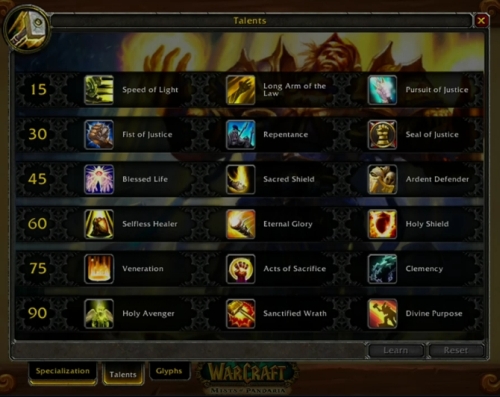
If that seems like high expectations, note that there will only be six talent points per class, not per spec. Your options will be the same whether you’re healing, tanking, dpsing, pvping, or whatever. Here’s a look at the tentative paladin talent screen:

If you are hoping to load up on all of the healing talents, think again. Your six points are not to be spent as you please, but can only be used once per row. If you get Blessed Life, Sacred Shield and Ardent Defender are gone, no getting around it. Don’t expect to waste thousands of gold checking them all out though. Talents will now function like glyphs, and rather than having to start from scratch you will be able to reset any particular row at any point in time outside of combat. Blizzard suggested this would be necessary for raiding, certain talents being more beneficial for certain bosses, so expect opportunities to put them all to a bit of use. As for those “ability” talents necessary for your spec, they will now just be given outright like other abilities.

Scenarios

Scenarios seem to me the most dubious of the new additions. They will be very short queuable events designed to replace the group quests of old, and they will not have any specific role requirements, so queues will be instant. They will be available at various levels, each should have a level 90 version rewarding a few valor points, and you will be able to queue for them while in dungeon queue. So far so good–it sounds like a pretty nice way to collect extra valor while waiting for those tedious 40 minute queues to pop. Here is a basic example of what the objectives of a Scenario might look like:

But aside from the fact that something that short could get really old really fast, here is the major drawback: Blizzard described a number of them as “pve battlegrounds.” What does this mean? Well, WoW Game Director Tom Chilton was fairly explicit in talking about them as battleground for people afraid to pvp. Does that mean they’ll reward honor? Does that mean the more sheepish players who don’t know what they’re doing–the ones I love graveyard camping oh so very much–will be able to get geared through these? Or even if they don’t, will this actually succeed in keeping bad players out of real battlegrounds? That, to me at least, would be a terrible disappointment.

But it gets worse. I first started to think Blizzard hated pvp servers when they updated village guards to prevent camping. My glorious days of sitting outside Grom’gol Base Camp picking off lowbie horde like flies are dead and gone; may they rest in peace. Scenarios seem to be further pushing towards refusing to reward dedicated pvpers for getting gear. The biggest catch though, really the biggest disappointment in all of Mists of Pandaria, I might as well throw at you now:

Resilience will be a base stat.

No, really. If you stand outside of your enemy faction’s city naked, you will have resilience. Oh, there will still be pvp gear, giving you more resilience, but I’m going to propose right now it will be useless. Right now going up against a raider in world pvp, my 4500 resilience means I win. And it should, because I joined a pvp server to pvp, and the guy I am fighting apparently didn’t. Narrow the gap to say, a 1000 resilience difference, and do you really think my measly Ruthless set is going to hold up against a full Firelands-equipped player?

As a hunter, I am well familiar with the lack of balance in WoW pvp. I win 1 on 1 because I am geared to the hilt. You take that away from me, and I’m just a fish out of water, dying to anyone who actively plays the game whether they care about pvp or not. Part of the idea is to make it so that players can jump into arena sooner–to prevent a block from progression. But isn’t honor already dirt cheap? Doesn’t it only take what, a week, to get fully geared for arena? Maybe it makes no difference, if you play on a pve server, but for me all this is doing is ruining world pvp–my favorite aspect of the game. Low blow Blizzard.

People have been complaining about how it’s too easy to get geared for raiding for ages now. I guess the idea with Scenarios and an overwhelming nerf to resilience is to give us pvpers something to gripe about too. Anyway, enough of that, let’s look at a more positive addition:

World of Pokemon

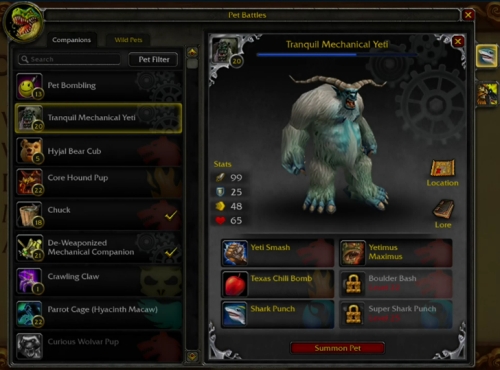
Lord only knows what has compelled me to so desperately seek out that 150 vanity pet achievement (I’m sitting around 135 at the moment), because I don’t even like the damn things. But it’s all going to pay off now in an addition sure to be both cheesy and addicting: vanity pet arena (I believe Pet Battle System is the official working title). You will now be able to level your pets (up to 25), form teams of between 1 and I believe 3 pets, and square off in turn-based battles both against other collectors and against new world pets that you can catch and add to your collection by defeating.

It’s looking to be a pretty complex process. You can visit trainers all over Azeroth to learn new abilities for your pets, you can trade them, you can auction them at high level, and they will be shared across your account. Imagine a pimped out White Kitten selling for 20k. I will be that man robbing you.

Without going into too much detail, pet stats will be randomly generated, so you might have to catch one multiple times to get the build you want. Pets will be seasonal, so certain ones might only appear in the summer or winter, and some will only appear in the day, at night, in the rain, in the night in rain in September, you get the idea. It’s going to be a whole game within a game, and it might sound silly right now, but I suspect this will soon stand alongside raiding and pvp as a third way to play World of Warcraft.

Other Features

* Dungeons will have a third form: “Challenge Mode”. They will consist of time trial runs in scaled-down gear, so they will never get easier as you gear up. There will be Bronze, Silver, and Gold times to beat, with different gear rewards (including statsless transmogrification sets) depending on your time. There will also be an in-game stats keeper showing your best time for each dungeon compared to other players on your server. I’m not sure how to take this. I play on one of the lowest population servers in Warcraft; we are pvp, and everyone knows everyone, so the competition to be on top is personal. I could see myself getting a bit obsessed over this one.

* Raids will also have a third form: Raid Finder. Breathe a sigh of relief; DF Raiding will be a tier below regular raiding. You won’t be able to just pug your way into a cross-server 25 man heroic run. It’s more a means to learn the mechanics while getting geared for normal raids, and I’m pretty excited about it. On servers like mine where low population means frequently bringing along one to two inexperienced players for progression attempts, there will be no more excuses. If you haven’t downed the boss through Dungeon Finder 10-man, you aren’t coming. I like it.

* There will be 9 new dungeons: six completely new ones, a heroic version of Scholomance, and a heroic version of Scarlet Monastery condensed into two dungeons. There will be three launch-ready raids, similar to Cataclysm.

* Blizzard failed miserably in Cataclysm by creating a lot of compelling world raid bosses and giving none of them any gear worth a damn. MoP is supposed to reintroduce world raiding proper. You can look for me ganking your healer half way through the fight.

* Expect 2-3 new battlegrounds, tentatively titled Stranglethorn Diamond Mines, Valley of Power, and Azshara Crater. If Twin Peaks and Battle for Gilneas were my two biggest disappointments in Cataclysm, these look to compensate thoroughly. Stranglethorn Diamond Mines is going to consist of transporting resources out of a mine down a whole mess of different passageways–the first team to successfully transfer the required amount wins. That means a lot of hiding, sneaking around, scouting ahead, and outsmarting rather than overpowering. It seems perhaps too complex to be 10 on 10, but I’m going to be disappointed if it isn’t, because it sounds perfect for rateds. Valley of Power is much more simplistic–a small square room with few opportunities to evade combat. Yet Blizzard managed to make it refreshingly unique. There will be an orb in the center of the room which any one player can hold, and so long as a faction is holding it they gain points, scaled to go up faster the closer you are to the center of the map (and thus to your enemies). But I don’t expect this to be a 2 minute fight followed by a 10 minute wait like Battle for Gilneas. There is an additional mechanic: whoever holds the orb will take periodic damage increasing over time. If there are no healers, it will eventually drop even if your team never touches the carrier. As for the third proposed battleground, Azshara Crater, Blizzard has said nothing.

* There will be a new arena: Tol’vir Proving Grounds. It looks identical to Nagrand Arena except the four pillars are diamonds rather than squares. Really? For as long as we’ve been waiting, it looks downright pathetic.

* There will be valor from daily quests. Thank god. Daily quests will also give you buffs that allow you to gain extra loot in dungeons. I’m not quite sure what to make of that.

* Many achievements will be account bound. They did not go into too many specifics on this, but I’m pretty damn excited. Achievements are my gig in WoW, even more so than pvp. I’m pushing 11,000 without hardly any from raids, and if this means I can roll a level 29 twink hunter and knock out all of the more insane pvp ones I’m going to be in the money. Not all achievements will be account bound however, and whether that means obvious ones like say, the level 90 achievement, won’t be, or if not all raid/pvp accomplishments will be either, is still up in the air. There will also be multi-toon achievements, like maxing out every profession.

* A few major class/stat changes were mentioned. The epic resilience nerf stands out as the worst, and maybe the worst idea Blizzard have for all of MoP. They will also be doing away with the range weapon slot. Relics will be gone, rogues and warriors will throw their main hand, and hunter bows/guns will become the main hand. Wait, how will hunters survive without a melee weapon? Ah, the most relevant buff of all for me: hunter minimum range is gone. Gone! No more frost mages locking me in place and taking me down without ever so much as taking damage. Hunters will finally be a viable dueling and 2s pvp class. Warlocks will also get a major overhaul to better distinguish the three specs, and the way they described Destruction I suspect they’re going to be pretty op, with a stacking damage buff that hopefully resembles Arcane Blast. Hopefully because I have an idle 85 warlock, that is. Shamans will no longer have buff totems, and lastly, druids will finally be recognized as officially having four specs.

There was one major question left in my mind when all was said and done. I play on one server exclusively. There are ten classes and ten toon slots, so I am full. As it stands, I will never actually get to play a monk. Will that change? Will they finally add an eleventh slot? WoW lead producer J. Allen Brack was asked this in the post-presentation interview, and his answer wasn’t promising: They’ve thought about it, but they’re not quite sure.

BlizzCon 2011: Mists of Pandaria Overview Part 1


If you look at the main stage schedule for BlizzCon 2011, attention to World of Warcraft: Mists of Pandaria isn’t so much dominant as nearly exclusive, getting six and a half hours of discussion and demonstration, compared to two for Diablo 3 and not a minute for Starcraft 2: Heart of the Swarm. With that in mind, I imagine everything presented in the initial general overview of Mists of Pandaria will be granted much more thorough detail down the road. But, if you’ll allow me to take this one step at a time, here are the key points I took out of the overview.

The first thing you’re going to encounter in WoW 5 is the level grind from 85 to 90, so let’s take a look at that first.

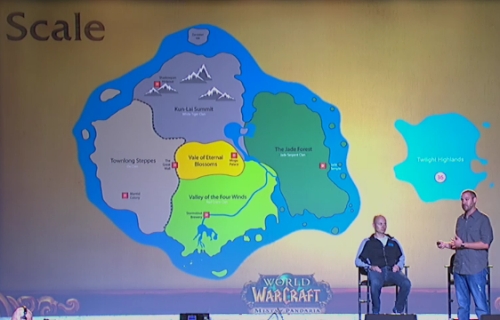
The first thing you might notice is that Pandaria looks pretty small. It’s only five zones, for one thing (ignore the blob on the right for the moment), and I certainly would hope at least one of them, probably the middle, is a world battleground akin to Wintergrasp and Tol Barad. Blizzard did not actually make any mention of server battlegrounds in the introduction, and cryptically listed and dually ignored a third “Azshara Crater” battleground when detailing MoP’s two normal bgs, so perhaps this is not the case, but at any rate, Cataclysm’s five questing zones and one pvp zone felt small to me, and here only five are listed in total.

But there are a number of features to take into consideration. This scale compares Pandaria’s five zones on the left to Twilight Highlands on the right. Twilight might not seem that big, dashing around with master riding skill and the like, but if you expand your in-game map you’re going to realize Pandaria is well over half the size of Eastern Kingdoms. And there is a further catch: You can’t fly there until level 90.

This comment met with a great deal of applause from the audience, and I will gladly join them. Aside from my great distaste for the revamped lower level zones of Eastern Kingdoms and Kalimdor, what really made Cataclysm feel so weak quest-wise for me was level 60 flying. No more pick up, fly, kill something, fly, turn in, repeat here. No more complete disregard for terrain, either. Can you imagine hopping on a ground mount and waltzing the whole way across Twilight Highlands five times? Pandaria will feel huge.

Yet there are still only five zones. I loved the diversity of having ten in Wrath of the Lich King, but with only a 5 levels I suppose their options here are a bit more limited. They do try to account for this though, giving at least the second leveling zone, Valley of the Four Winds (bottom zone on the map), two distinct quest lines that will make leveling at least your first alt a more unique experience. In this case there will be both a northern “farmlands” region and a southern “coastal jungle” region, both of which should cover about the same level/exp range independently.

There was not much more information on particular zones available at this point, but names always indicate something. Here is what I know of the map breakdown:

The Jade Forest (level 85 starting zone, to the east)
Valley of the Four Winds (second zone, to the south)
Vale of Eternal Blossoms (central zone)
Townlong Steppes (western zone)
Kun-Lai Summit (northern zone)

As you may have guessed from the preview video I posted earlier, they will all have an Asian flavor about them. Another cool feature, for me at least, is that Blizzard will try to make the dungeons more visible. Valley of the Four Winds’ dungeon, Stormstout Brewery, should be visible to scale within the zone proper, not simply as a portal (though I’m sure you still have to “zone in”), and WoW Lead Content Designer Cory Stockton’s comments lead me to believe the others will generally follow suit. Whether this will amount to something new or will merely reflect a continued effort similar to Lost City of Tol’vir in Uldum remains to be seen, but it was certainly emphasized in the overview.

There will be one final zone of course: the Pandaren starting zone. Worgen and goblin starting zones were something of a complete joke in Cataclysm, in so far as they were completely irrelevant to the game if you weren’t the relevant class. Already having ten toons on my server, I have not caught the slightest glimpse of either. I get the bad feeling the Pandaren starting zone will be equally disappointing, but in the meantime it at least looks pretty cool.

This zone, The Wandering Isle, is a giant turtle. No, really. There will be a giant turtle floating around off the coast of Pandaland with a whole mess of forests and mountains and civilizations thriving on its posterior. The reason I suspect it will be as inaccessible to those of us with 10 toons as the worgen and goblin zones?: Pandaren start off neutral.

As in, they start off neither alliance nor horde. You don’t actually choose your faction until level 10, and that answers another question: MoP will introduce only one race, available to either faction. I’m pretty confident Blizzard will keep them isolated with this in mind, because I could see an unwelcome (on their part–harmless and entertaining on mine) cross-faction black market emerging otherwise.

This starting zone is actually playable at BlizzCon, so expect most of the non-official images of MoP appearing over the next few weeks to be of The Wandering Isle.

While I am on the subject of Pandaren, here’s the information you’re probably most interested in in a nutshell:

Pandaren classes:
Hunter
Mage
Monk
Priest
Rogue
Shaman
Warrior

Tentative Pandaren Racials:
Epicurean – Increase stat benefits from food by 100%
Gourmand – Cooking skill increased by 15
Inner Peace – Your Rested experience bonus lasts twice as long
Bouncy – You take 50% less falling damage
Quaking Palm – You touch a secret pressure point on an enemy target, putting it to sleep for 3 sec.

Monks are the next order of business. Allow me to start with a video of one in action:

Did that leg spin look cool at the end? WoW Lead Systems Designer Greg Street quoted one of his colleagues as saying “If we don’t do gnome monks, monks aren’t worth doing.” Yes, gnome monks will be an option, kicking in the faces of all enemies willing to get within half an inch of them. … Actually, the class will be available to every single race except worgen and goblins.

As for what exactly a monk consists of, at face value they pan out to be much like druids without a Boomkin option–leather wearers with the following specs:

Brewmaster – Tank
Mistweaver – Healer
Windwalker – Melee DPS

But as far as how they function, I am a bit confused. Street described them using a combination of energy (chi) and a dual point system:

Monks will use two basic abilities, “Jab” and “Roll”, to build up Light Force and Dark Force, with which they can release higher abilities. Ok, ok, fair enough for tanks and dps. But what about healers? Nothing was said directly, but monks were described as “melee healers” and compared to disc priests for their ability to dish out some dps in the process. Does that mean we’re going to have a healing spec without mana? I am lead to believe so. Will this be raid-functional or strictly pvp? That question remains unanswered.

Well, it’s getting late here, and I didn’t get as far in my BlizzCon coverage as I’d hoped, but I’ll try to pick up where I’ve left off tomorrow. So far I’ve only scratched the surface.

BlizzCon 2011: Opening Ceremony Overview


Better late than never, I just picked up my live feed of BlizzCon 2011. The event kicked off at 2pm my time, so I only have seven hours of catching up to do really, and they’ve improved their online feed tremendously this year: No lag whatsoever for the first time I can remember, and an easily accessible archive of past events. I’m hoping to make a number of posts today and tomorrow relaying some of the news. Just to give you an idea of what I’ll be focusing on, World of Warcraft is my primary interest, followed by Starcraft. Diablo I’ll be giving little if any attention to.

As usual, Blizzard threw out a few big surprises in the opening ceremony. Let me just start by detailing a few of the most important points in brief:

The first thing they announced, and really the thing I’m most excited about for the event proper, is a high-profile Starcraft 2 tournament. No more 30 second asides to show a few random segments of tournament between conference coverage–BlizzCon 2011 will feature a tournament broadcast in full. And while I am not as knowledgable in e-sports as I would like to be, it looks like they did a solid job of bringing in the pro commentators rather than using people inside the company. Day[9], whose Starcraft 2 strategies I talked about at length when the game first launched, will be involved in much of the commentary, along with a number of other names I recognized.

But that’s just what I’m looking forward to in the next two days. The long-term announcements are what you’re more likely to take interest in. Here’s a big one. I noted that Diablo 3 does not interest me much. As it turns out, I will be playing it anyway. Why? Because it is free.

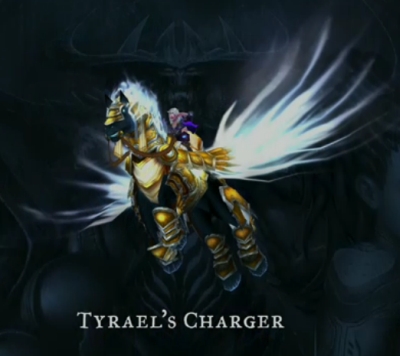
Check this out. Blizzard CEO Michael Morhaime announced right off the bat that Diablo 3 will be free for World of Warcraft subscribers (and that the release date is still undetermined). A free trial? A demo version of the game? Not at all. The only catch is that you’ll have to pick up a one year subscription to WoW–not a heavy commitment if you’re interested in Warcraft to begin with. On top of a free digital download of the game in full, you’ll additionally get guaranteed access to the next World of Warcraft beta. Oh, and a flying horse mount that puts the celestial steed to shame: Tyrael’s Charger.

Not bad, eh? I’m still curious whether the one-year pass will be at the current discount rate you get for long-term subscriptions or if they will charge the single month rate for 12 months, but either way, count me in.

Following Michael Morhaime’s introductory announcement, the “slightly” more outspoken vice-president Chris Metzen took the stage in rock-star fasion, Dalaran theme blasting overhead. The upcoming game preview cuts came rolling in, starting with Diablo 3 and then preceding to “Blizzard Dota”, a game I have never heard of which looks awesome. Apparently they’re creating a cross-over fighting game which will pit Starcraft, Warcraft, and Diablo characters against each other and incorporate pvp elements of all three. The preview included Arthus fighting a siege engine and ended with “Coming Soon… Seriously.”

Starcraft 2: Heart of the Swarm got its trailer too, looking par for the course–that is, pretty awesome. The new units glimpsed in brief didn’t stand out to me much, though I’m sure they’ll be gone over in detail later in the convention. One that did catch my eye was a zerg unit that had… how should I describe it… a DK Death Grip.

But what I was really here for–what I really wanted to see–that came last. We all knew it was coming. It had to be coming. But until now I’d not heard a word about it: World of Warcraft 5.

The description Chris Metzen had to offer for the premise of WoW 5 excites me, as a major pvper, to no end. No super villians this time. No joint effort against a common foe. WoW 5 will focus on alliance against horde, straight up. The video certainly doesn’t reflect it though:

Remember the Pandaren pet Blizzard was selling a few months back? It is now a race, accompanied by some awesome Japanese-themed landscapes that will apparently comprise an entire continent: Pandaria. (Apparently Blizzard almost made Pandaren the alliance race in Burning Crusade in place of Draenei.) We can look forward to a new class I’d been expecting for a while now–monks–and the level 90 cap raise everyone expected. Is only the alliance getting a new race, will there be evil pandas too, or is there a new horde race yet to be revealed? That was my biggest question, and Metzen announced early in the post-ceremony interview that they would be more or less neutral–not only available to both factions, but as I understand it identical in racial abilities and appearance.

That’s it for the opening ceremonies. I’ll do my best to catch up and keep up from here on out.