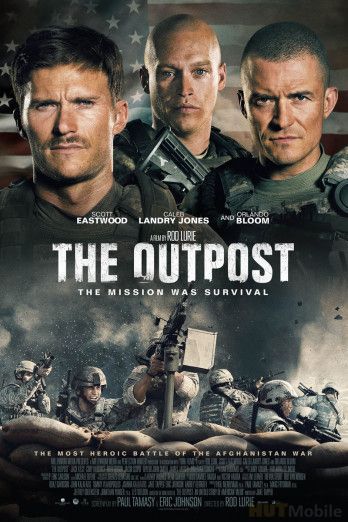
The Films of 2020: The Outpost (dir by Rod Lurie)


The Outpost, which is currently streaming on Netflix and which deserves far more attention than it’s been given, is a film that left me breathless.  Seriously, as the film came to its conclusion, I realized that I was so emotionally overwhelmed by what I had just seen that I actually had to stop for a few minutes and catch my breath.  Once I was breathing again, I started to cry.  I cried all the way through the end credits.  That’s the sign of a powerful film.

Based on a true story, The Outpost takes place in 2009.  PRT Kamdesh is an American military outpost in Northern Afghanistan.  The post is located in a valley.  The mountains, which rise high up into the sky, are not only beautiful but they also provide the perfect cover for the Taliban.  The outpost is attacked on a nearly daily basis.  At the start of the film, we’re told that one military strategist said that the base should have been named after George Custer because it was impossible to defend and that, should a big attack ever truly come, all 53 of the man on the base would essentially be sitting ducks.

The Outpost follows those 53 men as they go about their daily lives on the base.  Commanders die and are replaced.  The soldiers try to hold onto their sanity, even though they know that the “big attack” is inevitable.  Though more than a few of the men have families back home, they try not to think about them.  They can’t risk the distractions.  Even the act of adopting a dog is seen as being a potentially dangerous move.  The humor is dark, to the extent that the base’s theme song is “Everybody Dies.”  While dealing with daily attacks, the base’s commanders try to win the support of the local villagers.  One of the local elders asks if the Americans are the same invaders who have been in Afghanistan for the last 40 years.  “No,” the flummoxed commander tries to explain, “those were the Russians.”  It quickly becomes apparent that the soldiers and the villagers have at least one thing in common: no one is quite sure why the Americans are there or if they’ll ever able to leave.  Orders are sent down by faceless generals and the men of PRT Kamdesh wait for the attacks that they all know are coming,

When the attack does come, it leads to one of the most visceral battle scenes that I’ve ever seen.  There’s nothing glamorous about the way that The Outpost portrays war.  Instead, it’s a confusing, loud, and terrifying nightmare.  The Outpost establishes early on that anyone can die, an important lesson when you consider how many action movies have been made about heroes who are mythically impervious to even the slightest of injuries.

For roughly the final hour of the film, The Outpost puts us into the middle of the Battle of Kamdesh.  The film pays tribute to the soldiers who fought in the battle, showcasing their bravery and the quick thinking that kept the battle from being even more of a disaster than it was.  At the same time, it also reminds us that war is not fun and that the scars of combat are not just physical.  When a soldier breaks down into tears while trying to talk about the battle, the film treats his feelings with the respect that they deserve.  It’s been said that few people are as anti-war as the people who have actually experienced combat and The Outpost shows us why that is.

The Outpost is an important film.  It’s especially important now that we have a new president and the national media is probably going to go back to ignoring whatever happens in Afghanistan for at least the next four years.  For far too many people, it’s become the forgotten war, even though it’s still ongoing.  The Outpost is a film that reminds us that no war and no soldier should ever be forgotten.

I’ve been pretty critical of director Rod Lurie in the past but, with The Outpost, he’s given us one of the best films of 2020.
Here Are The Nominations of the Online Film Critics Society!


The Online Film Critics Society announced their nominations for the best of 2020 yesterday!  They pretty much nominated all the usual suspects, along with I’m Thinking of Ending Things.  Personally, I’m glad that they nominated I’m Thinking of Ending Things.  As films go, it’s probably going to be too weird for the Academy so I’m glad to see Charlie Kaufman’s surreal little masterpiece get some respect from the critics groups.

Otherwise, it’s pretty much the same old same old.  There’s Nomadland!  There’s First Cow!  There’s Da 5 Bloods!  There’s …. wait a minute, they didn’t nominate Ma Rainey’s Black Bottom for Best Picture?  Well, that’s a little bit different.  Personally, I’m just hoping that one of these critics groups will have the courage necessary to nominate Money Plane.  Seriously, that was a fun movie and it featured Kelsey Grammer saying things like, “I’m the Rumble!”  That is a moment that future film students will definitely study.

Anyway, the OFCS winners will be announced on January 25th!

(OFCS sounds like the acronym of some sort of secret government agency.  “We’re from the OFCS.  We need you to vacate the office immediately.”)

Best Picture
Da 5 Bloods
First Cow
I’m Thinking of Ending Things
Minari
Never Rarely Sometimes Always
Nomadland
Promising Young Woman
Soul
Sound of Metal
The Trial of the Chicago 7

Best Animated Feature
Onward
Over the Moon
Soul
The Wolf House
Wolfwalkers

Best Director
Emerald Fennell – Promising Young Woman
Eliza Hittman – Never Rarely Sometimes Always
Spike Lee – Da 5 Bloods
Kelly Reichardt – First Cow
Chloé Zhao – Nomadland

Best Actor
Riz Ahmed – Sound of Metal
Chadwick Boseman – Ma Rainey’s Black Bottom
Anthony Hopkins – The Father
Delroy Lindo – Da 5 Bloods
Steven Yeun – Minari

Best Actress
Jessie Buckley – I’m Thinking of Ending Things
Viola Davis – Ma Rainey’s Black Bottom
Sidney Flanigan – Never Rarely Sometimes Always
Frances McDormand – Nomadland
Carey Mulligan – Promising Young Woman

Best Supporting Actor
Sacha Baron Cohen – The Trial of the Chicago 7
Chadwick Boseman – Da 5 Bloods
Bill Murray – On the Rocks
Leslie Odom Jr. – One Night in Miami
Paul Raci – Sound of Metal

Best Supporting Actress
Maria Bakalova – Borat Subsequent Moviefilm
Olivia Colman – The Father
Talia Ryder – Never Rarely Sometimes Always
Amanda Seyfried – Mank
Youn Yuh-jung – Minari

Best Original Screenplay
Da 5 Bloods – Danny Bilson, Paul Demeo, Kevin Willmott & Spike Lee
Minari – Lee Isaac Chung
Never Rarely Sometimes Always – Eliza Hittman
Promising Young Woman – Emerald Fennell
The Trial of the Chicago 7 – Aaron Sorkin

Best Adapted Screenplay
First Cow – Jonathan Raymond, Kelly Reichardt
I’m Thinking of Ending Things – Charlie Kaufman
Ma Rainey’s Black Bottom – Ruben Santiago-Hudson
Nomadland – Chloé Zhao
One Night in Miami – Kemp Powers

Best Editing
Da 5 Bloods – Adam Gough
Mank – Kirk Baxter
Nomadland – Chloé Zhao
Tenet – Jennifer Lame
The Trial of the Chicago 7 – Alan Baumgarten

Best Cinematography
Da 5 Bloods – Newton Thomas Sigel
First Cow – Christopher Blauvelt
Mank – Erik Messerschmidt
Nomadland – Joshua James Richards
Tenet – Hoyte Van Hoytema

Best Original Score
Da 5 Bloods – Terence Blanchard
Mank – Trent Reznor & Atticus Ross
Minari – Emile Mosseri
Soul – Trent Reznor & Atticus Ross
Tenet – Ludwig Goransson

Best Debut Feature
Radha Blank – The Forty-Year-Old Version
Emerald Fennell – Promising Young Woman
Regina King – One Night in Miami
Darius Marder – Sound of Metal
Andrew Patterson – The Vast of Night

Best Film Not in the English Language
Another Round (Denmark)
Bacurau (Brazil)
Collective (Romania)
La Llorona (Guatemala)
Minari (United States)

Best Documentary
Boys State
Collective
Dick Johnson Is Dead
The Painter and the Thief
Time

14 Shots From 13 Films: Special David Lynch Edition


4 (or more) Shots From 4 (or more) Films is just what it says it is, 4 (or more) shots from 4 (or more) of our favorite films. As opposed to the reviews and recaps that we usually post, 4 (or more) Shots From 4 (or more) Films lets the visuals do the talking.

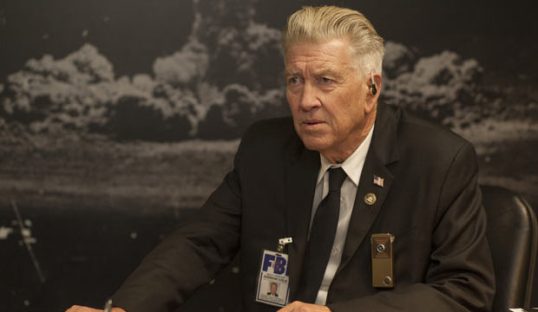
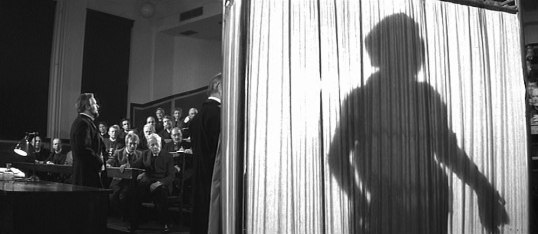
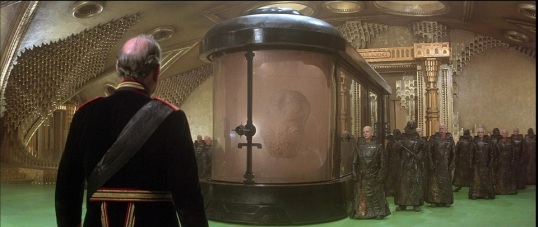
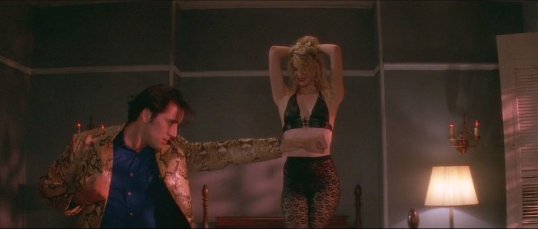
Today, the Shattered Lens wishes a very special 75th birthday to the one and only David Lynch.  As should be evident by now, we’re big fans of David Lynch around here.  Not only is he a wonderfully unique filmmaker but he’s also literally the only person who can do what he does.  Trust me — I’ve seen hundreds of films that were made by people who obviously thought they were going to be the next David Lynch and none of them even come close.  David Lynch is a filmmaker who can make the most surreal images seem like the most natural thing in the world.

Speaking of images, it’s time for….

14 Shots From 13 David Lynch Films

Eraserhead (1977, dir by David Lynch, DP: Frederick Elmes, Herbert Cardwell)

The Elephant Man (1980, dir by David Lynch, DP: Freddie Francis)

Dune (1984, dir by David Lynch, DP: Freddie Francis)

Blue Velvet (1986, dir by David Lynch, DP: Frederick Elmes)

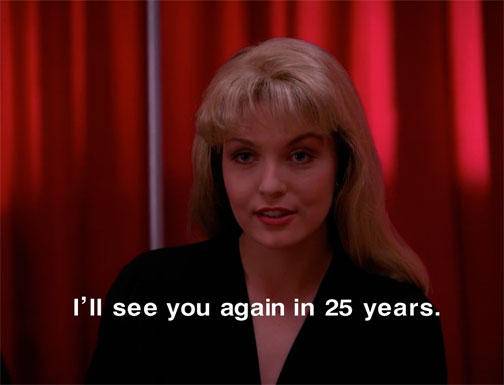
Twin Peaks 1.3 “Zen or the Skill To Catch a Killer” (1990, dir by David Lynch, DP: Frank Byers)

Wild At Heart (1990, dir by Frederick Elmes)

Twin Peaks 2.22 “Beyond Life and Death” (1991, dir by David Lynch, DP: Frank Byers)

Twin Peaks: Fire Walk With Me (1992, dir by David Lynch, DP: Ron Garcia)

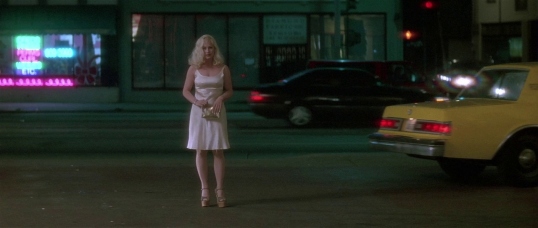
Lost Highway (1997, dir by David Lynch, DP: Peter Deming)

The Straight Story (1999, dir by David Lynch, DP: Freddie Francis)

Mulholland Drive (2001, dir by David Lynch, DP: Peter Deming)

Inland Empire (2006, dir by David Lynch, DP: David Lynch)

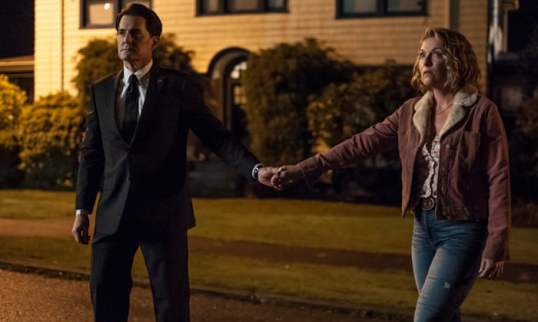
Twin Peaks: The Return Part 15 (dir by David Lynch, DP: Peter Deming)

Twin Peaks: The Return Part 18 (2017, dir by David Lynch, DP: Peter Deming)

Happy birthday, David Lynch!

The Films of 2020: Roped (dir by Shaun Piccinino)


Ah, the rodeo.

Though they’re not quite as ever-present as people up north seem to assume, rodeos are still a pretty big deal down here in the Southwest.  Now, I have to admit that I have mixed feelings about the rodeo, largely due to the fact that I spent the early part of my life constantly moving from the city to the country to the city and then back to the country again.  The city girl side of me looks at the rodeo and says, “That’s a silly tradition that’s dangerous to both the animals and the participants and there’s no way that I would ever let any future child of mine have anything to do with it.”  However, the country girl side of me hears the words “rodeo,” and shouts, “Hell yeah!”  Seriously, there’s nothing more exciting than watching a handsome cowboy try to ride a bull without getting killed.

And believe me, rodeos can be dangerous.  There’s an episode of King of the Hill in which Hank and Peggy take Bobby to the rodeo and Peggy mentions that one of her relatives was sent home from Vietnam because he was having rodeo nightmares.  I could believe it.  Rodeos are not petting zoos, despite what some people may think.  Bulls and broncos can be dangerous when they’re angry and a rodeo clown can only provide so much protection.  In fact, there’s some towns that have actually considered baning the rodeo.

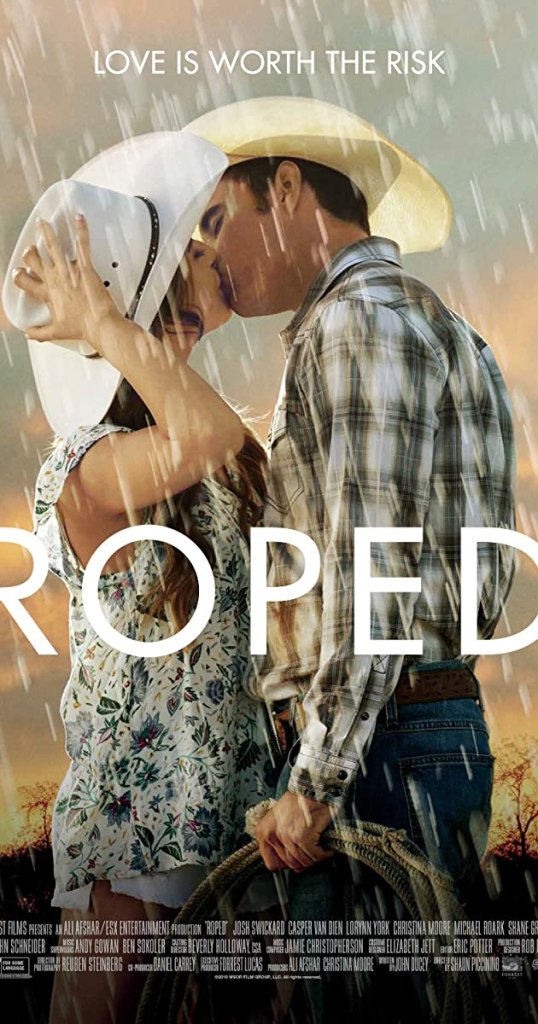
Roped takes place in one such town.  City councilman Robert Peterson (Casper Van Dien) doesn’t want the rodeo coming anywhere near his home.  He argues that the rodeo is unfair to animals and that it corrupts the youth.  It’s kind of like Footloose, except instead of banning dancing, the councilman wants to ban a rather foul-smelling carnival in which people are occasionally killed.

Of course, what the councilman doesn’t know is that his own teenage daughter, Tracy (played by Lorynn York) is falling in love with a rodeo cowboy!  Colton Burtenshaw (Josh Swickard) is a up-and-coming star on the rodeo circuit and it’s pretty much love at first sight as soon as he and Tracy meet.  Of course, this means that Tracy is going to have to defy her father and Colton’s going to have to prove that the rodeo isn’t as bad as everyone thinks that it is.  It’s time for laughs, tragedy, love, and sheep.  Yes, you read that right.

Anyway, you can probably guess everything that happens in Roped.  This is a low-budget movie that’s designed for the “I wish they still made movies like they used to do” crowd and, for what it is, it’s not that bad.  It’s hardly a great or even a memorable film but it gets the job done and it’ll appeal to people who have nostalgic memories of the rodeo.  There’s not an edgy moment to be found in the film but people looking for edgy movies probably won’t be watching Roped in the first place.  It’s a nice-looking film and Lorynn York and Josh Swickard make for a cute couple, in both the film and real life.  (York and Scwickard married shortly after making this movie.)  Plus — hey, Casper Van Dien’s in the movie!  Van Dien’s always fun to watch, especially when he’s playing a well-meaning but misguided authority figure.

As I wrap up this review, one final word about the rodeo: it’s pronounced “roe-dee-oh.”  Don’t come down here and say you want to see a “ro-day-oh.”  Those clowns can turn on you quickly.

The Films of 2020: The Trial of the Chicago 7 (dir by Aaron Sorkin)


The Trial of the Chicago 7, the latest film from Aaron Sorkin, is a fairly mediocre and rather forgettable film.  Because of that mediocrity, it stands a pretty good chance of doing very well at the Oscars later this year.

Aaron Sorkin specializes in political fan fiction.  He writes plays, movies and television shows that address big and controversial issues in the most safely liberal way possible.  Whenever Sorkin writes about politics, there’s not a single debate that can’t be won by one long, overdramatic speech, preferably delivered in an office or a conference room while everyone who disagrees nervously stares at the ground, aware that they’ll never be able to match the rhetorical brilliance of their opponents.  It’s a rather dishonest way to portray the ideological divide but it’s one that’s beloved by people who want to be political without actually having to do much thinking.  Sorkin is the poet laureate of the keyboard activists, the people who brag about how their cleverly-worded tweets “totally owned the MyPillow guy.”  (One sure sign of a keyboard activist is the excessive pride over rhetorically owning people who are ludicrously easy to own.  These are the people who think that Tom Arnold arguing about the electoral college with Kirstie Alley is the modern-day equivalent of the Lincoln/Douglas debates.)

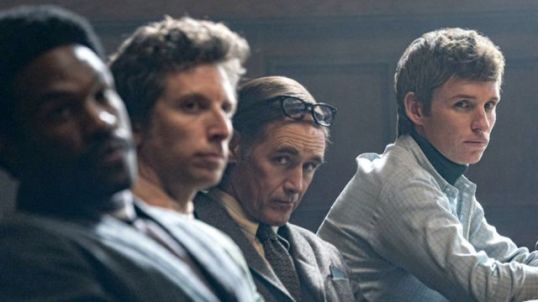
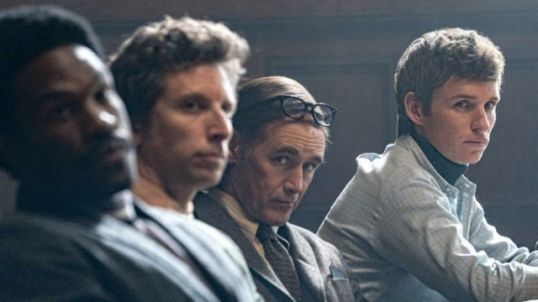
The Trial of the Chicago 7, which Sorkin not only wrote but also directed, deals with a real-life event, the 1969 trial of eight political activists who were charged with conspiracy and crossing state lines with the intention of inciting riots at the 1968 Democratic National Convention in Chicago.  (Black Panther Bobby Seale was ultimately tried separately from the other defendants, leading to the Chicago 8 becoming the Chicago 7.)  Sacha Baron Cohen plays Abbie Hoffman, the fun-loving activist who delights in upsetting the establishment.  Eddie Redmayne played Tom Hayden, who takes himself and his activism very seriously and who worries that Hoffman’s antics in the courtroom are going to discredit progressives for generations to come.  Hoffman ridicules Hayden for being a rich boy who is rebelling against his father.  Hayden attacks Hoffman for not thinking about how his actions are going to be perceived by the rest of America.  Sorkin the screenwriter is clearly on Hayden’s side while Sorkin the director keeps finding himself drawn to Hoffman, if just because Hoffman is the more entertaining character.  Hoffman gets to make jokes while Hayden has to spend the entire film with a somewhat constipated expression on his face.

As is typical of Sorkin’s political work, the film raises issues without really exploring them.  We learn that the defendants were all arrested during anti-war protests but the film never really explores why they’re against the war.  It’s mentioned that David Dellinger (John Carroll Lynch) is a pacifist who even refused to fight in World War II but at no point do we learn what led to him becoming a pacifist.  When Hoffman and Jerry Rubin (Jeremy Strong) talk about how they feel that the government holds people like them in contempt and that they shouldn’t have to fight in a war that they don’t believe in, Sorkin’s script has them speak in the type of simplistic platitudes that could just as easily have been uttered by a MAGA supporter talking about the war in Afghanistan.  If all you knew about these men was what you learned in this film, you would never know that Hayden, Hoffman, and the rest of the Chicago 7 were activists both before and after the Vietnam War.  You’d never know that there was more to their ideology than just opposition to the Vietnam War.  The film never really digs into anyone’s beliefs and motivations.  Instead, everyone might as well just have “Good” or “Evil” stamped on their forehead.

Sorkin’s simplistic approach is most obvious when it comes to Bobby Seale (Yahya Abdul-Mateen II).  With Seale, the film is more interested in how other react to him than in the man himself or his activism.  The film’s most shocking moment — when Judge Hoffman (Frank Langella) orders Seale to be literally bound and gagged in the courtroom — actually did happen but the film mostly seems to use it as an opportunity to show that even the lead prosecutor (played by Joseph Gordon-Levitt) is disgusted by the government’s heavy-handedness.  Seale and the Black Panthers are used more as symbols than as actual characters.

Since this is an Aaron Sorkin film, the action is male-dominated.  It’s justified as the Chicago 7 and their lawyers were all men. Still, it’s hard not to notice that the only prominent female characters are an undercover cop who betrays the protestors and a receptionist who is frequently reprimanded by the men in the film.  One black woman in a maid’s uniform does get a chance to reprimand Hayden for not speaking out when Bobby Seale was gagged but she’s never even given a name.  As often happens with women of color in films like this, she’s only there to remind the white heroes to do the right thing.

Watching The Trial of the Chicago 7, I found myself thinking about how lucky Aaron Sorkin was to get David Fincher as the director of The Social Network.  A smart director with a strong and unique style, Fincher was able to temper Sorkin’s tendency toward pompousness.  Unfortunately, as a director, Aaron Sorkin is no David Fincher.  While Sorkin has definitely established his own style as a writer, he directs like someone who learned how to stage a crowd-pleasing moment from watching Spielberg but who, at the same time, never noticed the sense of playfulness that Spielberg, especially early in his career, infused within the best of those scenes.  It’s all soaring rhetoric and dramatic reaction shots and cues to let us know when we’re supposed to applaud.  As a director, Sorkin never challenges the audience or lets the film truly come to any sort of spontaneous life.  Instead, he adopts a somewhat cumbersome flashback-laden approach.  The story never quite comes alive in the way that the similar courtroom drama Mangrove did.  It’s all very safe, which is one reason why I imagine The Trial of the Chicago 7 is as popular as it is.  It’s a film that allows the viewers to celebrate the fantasy of activism without having to deal with the messy reality of all the complications that come along with taking an actual stand.  It’s a film that encourages you to pat yourself on the back for simply having watched and agreeing that people have the right to protest.

I will say that Sorkin made some good casting choices.  Langella is memorably nasty of the judge and Joseph Gordon-Levitt does a good job as the prosecutor.  Eddie Redmaye is a bit of a drag as Tom Hayden but Alex Sharp is likable as Hayden’s friend, Rennie Davis.  Michael Keaton has an effective cameo as Ramsey Clark.  The film presents Clark as being a bit of a wise liberal and the film’s epilogue doesn’t mention that Clark went on to a lucrative career of providing legal aide to murderous dictators and anti-Semites.  (Lyndon LaRouche was one prominent Ramsey Clark client.)

The Trial of the Chicago 7 will probably do well come Oscar-time.  In many ways, it almost feels like a generic Oscar movie.  It’s about a historical event, it’s political without being radical, and it presents itself as being far more thoughtful than it actually is.  That’s been a winning combo for many films over the years.

4 Shots From 4 Films: Special Edgar Allan Poe Edition


4 (or more) Shots From 4 (or more) Films is just what it says it is, 4 (or more) shots from 4 (or more) of our favorite films. As opposed to the reviews and recaps that we usually post, 4 (or more) Shots From 4 (or more) Films lets the visuals do the talking.

212 years ago today, Edgar Allan Poe was born in Boston, Massachusetts.  From his humble beginnings as the son of two struggling actors, Poe would go on to become one of the first great American writers.  (It’s been said that, when Charles Dickens first traveled to the United States in 1842, he specifically wanted to meet Edgar Allan Poe.  Unfortunately, it appears that popular story my not be true but it’s still a good story.)  Poe was controversial in life and even his death generated more questions than answers but no one can deny his strength as a poet and as a prose writer.  Both the detective and the horror genres owe a huge debt to Edgar Allan Poe.

Today, in honor of Edgar Allan Poe’s legacy, TSL presents 4 shots from 4 films that were inspired by the work of Edgar Allan Poe!

4 Shots From 4 Films

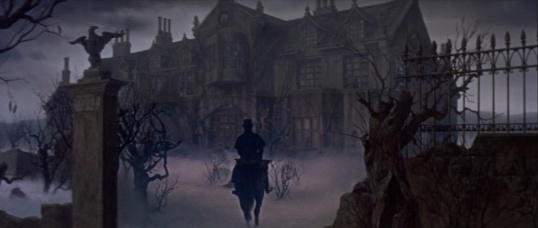
House of Usher (1960, dir by Roger Corman, DP: Floyd Crosby)

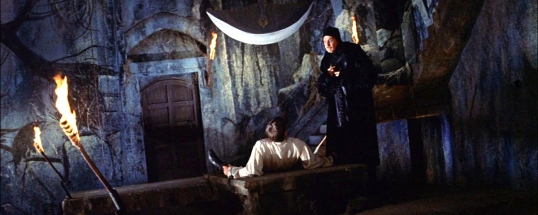
The Pit and the Pendulum (1961, dir by Roger Corman, DP: Floyd Crosby)

The Raven (1963, dir by Roger Corman, DP: Floyd Crosby)

The Masque of the Red Death (1964, dir by Roger Corman, DP: Nicolas Roeg)

The Houston Film Critics Society Honors Nomadland


The Houston Skyline

Earlier today, the Houston Film Critics Society announced their picks for the best of 2020.  While the Houston critics did give best picture and best director to Nomadland, they bucked the current awards season trend a bit by also honoring Carey Mulligan over Frances McDormand and Leslie Odom Jr. over Paul Raci, Sacha Baron Cohen, and Chadwick Boseman.

Here’s what won in Houston.  Winners are in bold:

Best Picture
Da 5 Bloods
The Father
Minari
Never Rarely Sometimes Always
Nomadland
One Night in Miami
Promising Young Woman
Soul
Sound of Metal
The Trial of the Chicago 7

Best Director
Lee Isaac Chung – Minari
Chloé Zhao – Nomadland
Regina King – One Night in Miami
Emerald Fennell – Promising Young Woman
Darius Marder – Sound of Metal
Aaron Sorkin – The Trial of the Chicago 7

Best Performance by an Actor in a Leading Role
Riz Ahmed – Sound of Metal
Chadwick Boseman – Ma Rainey’s Black Bottom
Anthony Hopkins – The Father
Delroy Lindo – Da 5 Bloods
Steven Yeun – Minari

Best Performance by an Actress in a Leading Role
Viola Davis – Ma Rainey’s Black Bottom
Sidney Flanigan – Never Rarely Sometimes Always
Vanessa Kirby – Pieces of a Woman
Frances McDormand – Nomadland
Carey Mulligan – Promising Young Woman

Best Performance by an Actor in a Supporting Role
Chadwick Boseman – Da 5 Bloods
Sacha Baron Cohen – The Trial of the Chicago 7
Bill Murray – On the Rocks
Leslie Odom Jr. – One Night in Miami
Paul Raci – Sound of Metal

Best Performance by an Actress in a Supporting Role
Maria Bakalova – Borat Subsequent Moviefilm
Ellen Burstyn – Pieces of a Woman
Olivia Colman – The Father
Amanda Seyfried – Mank
Youn Yuh‑jung – Minari

Best Screenplay
Minari
Nomadland
One Night in Miami
Promising Young Woman
Sound of Metal
The Trial of the Chicago 7

Best Animated Feature
The Croods: A New Age
Onward
Over the Moon
Soul
Wolfwalkers

Best Cinematography
Mank
Minari
News of the World
Nomadland
Tenet

Best Documentary Feature
Boys State
Collective
Dick Johnson is Dead
My Octopus Teacher
Time

Best Foreign Language Feature
Another Round
Bacurau
Beanpole
La Llorona
A Sun

Best Original Score
Mank
The Midnight Sky
News of the World
Soul
Tenet

Best Original Song
“Turntables” from All In: The Fight for Democracy
“Lo Si” from The Life Ahead
“Speak Now” from One Night in Miami
“Rocket to the Moon” from Over the Moon
“Wear Your Crown” from The Prom

Best Visual Effects
Tenet
The Invisible Man
The Midnight Sky

Best Stunt Coordination Team
Birds of Prey
Mulan
The Old Guard
Tenet
Wonder Woman 1984

Outstanding Cinematic Achievement
Criterion Channel as Best Movie Streaming Platform
Minari for the performance by Alan S. Kim
Small Axe for Steve McQueen’s vision for film anthology
Sound of Metal for immersive sound design
The Trial of the Chicago 7 for ensemble cast

Best Movie Poster Art
Da 5 Bloods

The Denver Film Critics Society Honors The Trial of The Chicago 7


Somehow, I guess I missed the Denver Film Critics Society announcing their nominations.  Oh well, no worries!  We’ve got both their nominations and their winners listed below!  (The winners are in bold.)

The Denver Film Critics Society decided to buck the trend a little bit by giving their best picture award to Aaron Sorkin’s The Trial of the Chicago 7 as opposed to Nomadland.  However, they still gave their best director award to Chloe Zhao.  For some reason, I wouldn’t be surprised to see the same thing happen at the Oscars.  In fact, if The Trial of The Chicago 7 does somehow win best picture, I’m hoping that Zhao or someone other than Sorkin win Best Director.  There’s only so many Aaron Sorkin speeches that one can take during the course of one night.

Among the other winners in Denver: Carey Mulligan won Best Actress of Promising Young Woman, Chadwick Boseman took Best Actor for Ma Rainey’s Black Bottom, Ellen Burstyn won Best Supporting Actress for Pieces of a Woman while Sacha Baron Cohen won Best Supporting Actor for The Trial of the Chicago 7.

Here’s the full list:

Best Picture
“Minari”
“Nomadland”
“The Trial of the Chicago 7”
“First Cow”
“Soul”

Best Director
Chloe Zhao – “Nomadland”
David Fincher – “Mank”
Aaron Sorkin – “The Trial of the Chicago 7”
Pete Docter – “Soul”
Lee Isaac Chung – “Minari”

Best Actress
Frances McDormand – “Nomadland”
Viola Davis – “Ma Rainey’s Black Bottom”
Carey Mulligan – “Promising Young Woman”
Elisabeth Moss – “The Invisible Man”
Vanessa Kirby – “Pieces of a Woman”

Best Actor
Chadwick Boseman – “Ma Rainey’s Black Bottom”
Gary Oldman – “Mank”
Delroy Lindo – “Da 5 Bloods”
Riz Ahmed – “Sound of Metal”
Steven Yuen – “Minari”

Best Supporting Actress
Olivia Colman – “The Father”
Amanda Seyfried – “Mank”
Ellen Burstyn – “Pieces of a Woman”
Youn Yuh-jung – “Minari”
Maria Bakalova – “Borat Subsequent Moviefilm”

Best Supporting Actor
Bill Murray – “On the Rocks”
Chadwick Boseman – “Da 5 Bloods”
Bo Burnham – “Promising Young Woman”
David Strathairn – “Nomadland”
Sacha Baron Cohen – “The Trial of the Chicago 7”

Best Sci-Fi/Horror
“The Vast of Night”
“Possessor”
“The Invisible Man”
“Tenet”
“Freaky”

Best Animated Feature
“Wolfwalkers”
Soul”
“The Wolf House”
“Onward”
“Over the Moon”

Best Comedy
“The Personal History of David Copperfield”
“The Climb”
“Palm Springs”
“Birds of Prey”
“The Forty-Year-Old Version”

Best Visual Effects
“Tenet”
“The Midnight Sky”
“The Invisible Man”
“Greyhound”
“Birds of Prey”

Best Original Screenplay
Aaron Sorkin – “The Trial of the Chicago 7”
Radha Blank – “The Forty-Year-Old Version”
Pete Docter, Mike Jones & Kemp Powers – “Soul”
Lee Isaac Chung – “Minari”
Emerald Fennell – “Promising Young Woman”

Best Adapted Screenplay
Jonathan Raymond & Kelly Reichardt – “First Cow”
Chloe Zhao – “Nomadland”
Ruben Santiago-Hudson – “Ma Rainey’s Black Bottom”
Kemp Powers – “One Night in Miami”
Charlie Kaufman – “I’m Thinking of Ending Things”

Best Documentary
“Boys State”
“All In: The Fight for Democracy”
“The Social Dilemma”
“The Truffle Hunters”
“Dick Johnson Is Dead”

Best Original Song
“Poverty Porn” – “The Forty-Year-Old Version”
“Speak Now” – “One Night in Miami”
“Wear Your Crown” – “The Prom”
“Rocket to the Moon” – “Over the Moon”
“Hear My Voice” – “The Trial of the Chicago 7”

Best Original Score
Trent Reznor and Atticus Ross – “Soul”
Alexander Desplat – “The Midnight Sky”
Terence Blanchard – “One Night in Miami”
Ludwig Goransson – “Tenet”
Trent Reznor and Atticus Ross – “Mank”

Best Non-English Language Feature
“The Life Ahead”
“Martin Eden”
“Another Round”
“Minari”
“I’m No Longer Here”

The San Francisco Bay Area Film Critics Circle Honors Nomadland


Just three days after announcing their nominations, the San Francisco Bay Area Critics Circle have announced their picks for the best of 2020.  Basically, it all adds up to another victory of Nomadland, Chloe Zhao, and Frances McDormand.  Again, there’s nothing wrong with that so don’t mistake my boredom for criticism.  I haven’t watched Nomadland yet but I like Zhao’s The Rider and McDormand is one of the best actresses around.  It’s just that, from an observer’s point of view, it’s hard not to hope for something unexpected to happen, just to keep things interesting.

Also honored, along with the Nomadland trio, were Chadwick Boseman (Best Actor for Ma Rainey’s Black Bottom), Paul Raci (Best Supporting Actor for Sound of Metal), and Youn Yuh-jung (Best Supporting Actress for Minari).  Best Aniamted film went to Soul and, not surprisingly given how the awards season is shaping up, Trent Renzor and Atticus Ross won Best Original Score for that same film.

Here are all the winners in San Francisco:

Best Picture
“First Cow”
“Minari”
“Never Rarely Sometimes Always”
“Nomadland”
“Promising Young Woman”

Best Director
Chloé Zhao – “Nomadland”
Eliza Hittman – “Never Rarely Sometimes Always”
Emerald Fennell – “Promising Young Woman”
Kelly Reichardt – “First Cow”
Lee Isaac Chung – “Minari”

Best Original Screenplay
Aaron Sorkin – “The Trial of the Chicago 7”
Eliza Hittman – “Never Rarely Sometimes Always”
Emerald Fennell – “Promising Young Woman”
Jack Fincher – “Mank”
Lee Isaac Chung – “Minari”

Best Adapted Screenplay
Charlie Kaufman – “I’m Thinking of Ending Things”
Chloé Zhao – “Nomadland”
Kelly Reichardt & Jon Raymond – “First Cow”
Kemp Powers – “One Night in Miami”
Ruben Santiago-Hudson – “Ma Rainey’s Black Bottom”

Best Actor
Anthony Hopkins -“The Father”
Chadwick Boseman – “Ma Rainey’s Black Bottom”
Delroy Lindo – “Da 5 Bloods”
Riz Ahmed – “Sound of Metal”
Steven Yeun -“Minari”

Best Actress
Carey Mulligan – “Promising Young Woman”
Elisabeth Moss – “The Invisible Man”
Frances McDormand – “Nomadland”
Sidney Flanigan – “Never Rarely Sometimes Always”
Viola Davis – “Ma Rainey’s Black Bottom”

Best Supporting Actor
Chadwick Boseman – “Da 5 Bloods”
David Strathairn – “Nomadland”
Leslie Odom Jr. – “One Night in Miami”
Paul Raci – “Sound of Metal”
Sacha Baron Cohen – “The Trial of the Chicago 7”

Best Supporting Actress
Amanda Seyfried – “Mank”
Maria Bakalova – “Borat Subsequent Moviefilm”
Olivia Colman – “The Father”
Toni Collette – “I’m Thinking of Ending Things”
Youn Yuh-jung – “Minari”

Best Animated Feature
“Marona’s Fantastic Tale”
“Onward”
“Over the Moon”
“Soul”
“Wolfwalkers”

Best Foreign Language Film
“Another Round”
“Bacurau”
“Collective”
“La Llorona”
“Two of Us”

Best Documentary
“Collective”
“Crip Camp”
“Boys State”
“The Truffle Hunters”
“Time”

Best Cinematography
Christopher Blauvelt – “First Cow”
Erik Messerschmidt – “Mank”
Hoyte Van Hoytema – “Tenet”
Joshua James Richards – “Nomadland”
Newton Thomas Sigel – “Da 5 Bloods”

Best Production Design
“First Cow”
“Ma Rainey’s Black Bottom”
“Mank”
“One Night in Miami”
“Tenet”

Best Film Editing
Alan Baumgarten – “The Trial of the Chicago 7”
Chloé Zhao – “Nomadland”
Jennifer Lame – “Tenet”
Kirk Baxter – “Mank”
Yorgos Lamprinos – “The Father”

Best Original Score
Emile Mosseri – “Minari”
Terence Blanchard – “Da 5 Bloods”
Terence Blanchard – “One Night in Miami”
Trent Reznor, Atticus Ross – “Mank”
Trent Reznor, Atticus Ross – “Soul”

Special Citation for Independent Cinema
“La Llorona” (TIE)
“The Last Tree”
“Sh*thouse” (TIE)

8 Shots From 8 Films: Special John Boorman Edition


4 (or more) Shots From 4 (or more) Films is just what it says it is, 4 (or more) shots from 4 (or more) of our favorite films. As opposed to the reviews and recaps that we usually post, 4 (or more) Shots From 4 (or more) Films lets the visuals do the talking.

Today, the Shattered Lens wishes a happy 88th birthday to British director John Boorman.

Boorman is one of those great director who sometimes doesn’t seem to get as much credit as he deserves.  An undeniably idiosyncratic director, Boorman easily moved from genre to genre and who brought his own individual style to each of his films.  Sometimes, critics and audiences responded to that vision and sometimes, they didn’t.  And yet even Boorman’s so-called failures have come to be appreciated over the years.  Zardoz is a cult classic.  Even The Exorcist II: The Heretic is not quite the disaster that some insist.  If nothing else, it’s one of the strangest studio productions to ever be released.

At his best, Boorman is one of the most influential directors of all time.  How many neo-noirs have ripped off the look and the feel of Point Blank?  The ending of Deliverance has been imitated by a countless number of horror films and, indeed, every backwoods thriller owes a debt to Boorman’s film about four businessmen spending a weekend canoeing.  Excalibur is one of the most elegiac of all the Arthurian films while Hope and Glory retains its power to make audiences both laugh and cry with its portrayal of life on the British homefront during World War II.  Meanwhile, films like The General and The Emerald Forest gave underrated characters actors like Powers Boothe and Brendan Gleeson a chance to shine.

So today, in honor of the career and the legacy of John Boorman, here are….

8 Shots from 8 John Boorman Films

Point Blank (1967, dir by John Boorman, DP: Philip H. Lathrop)

Deliverance (1972,dir by John Boorman, DP: Vilmos Zsigmond)

Zardoz (1974, dir by John Boorman, DP: Geoffrey Unsworth)

The Exorcist II: The Heretic (1977, dir by John Boorman, DP: William A. Fraker)

Excalibur (1981, dir by John Boorman, DP: Alex Thomson)

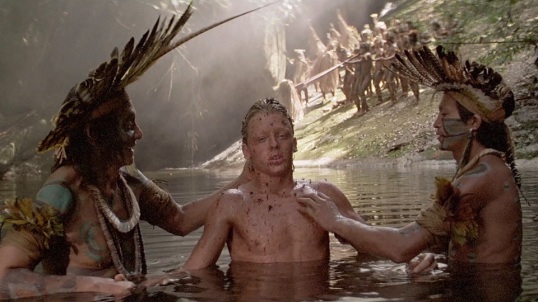
The Emerald Forest (1985, dir by John Boorman. DP: Philippe Rousselot)

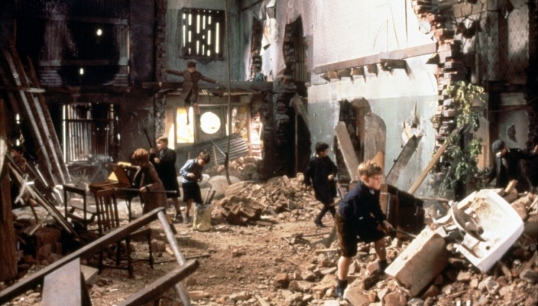
Hope and Glory (1987, dir by John Boorman, DP: Philippe Rousselot)

The General (1998, dir by John Boorman, DP: Seamus Deasy)